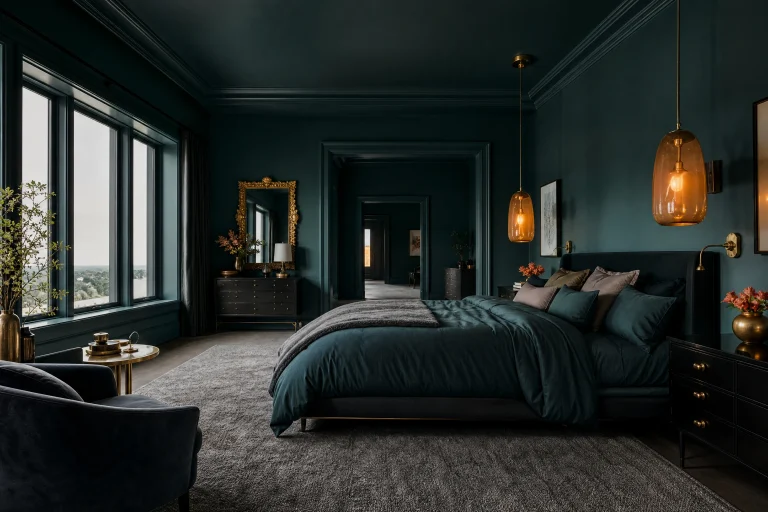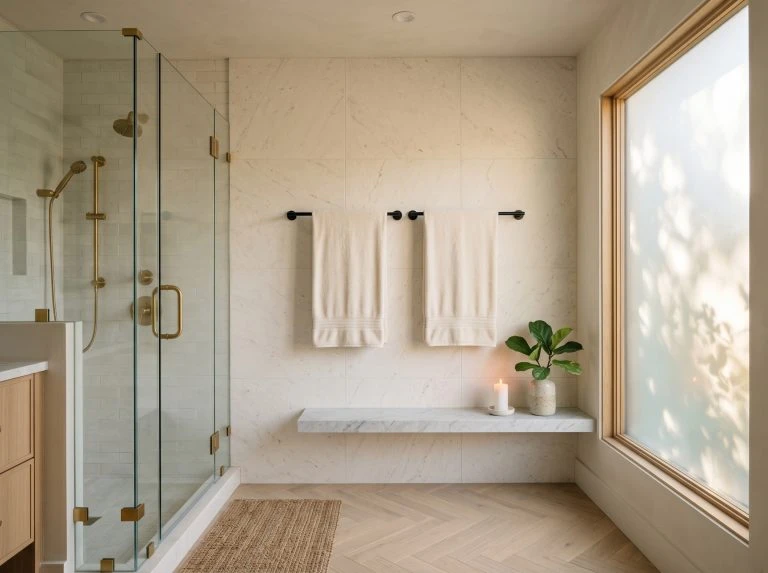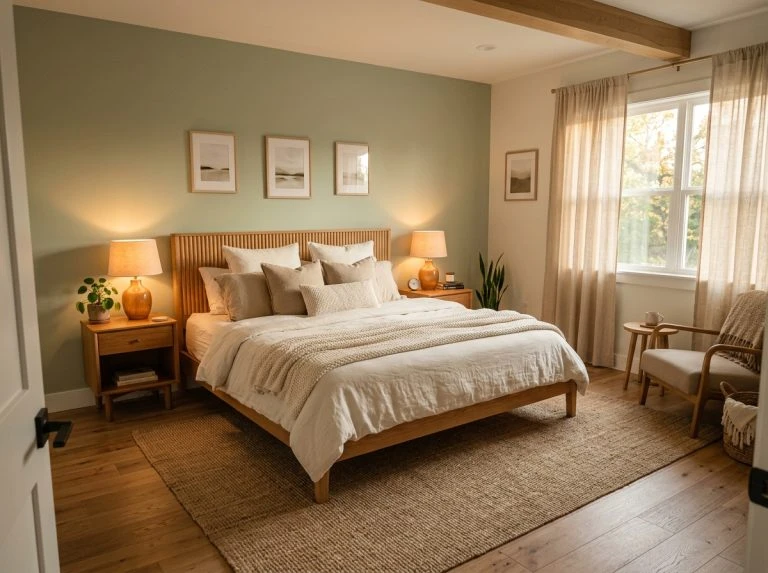
Guest Bedroom Looks That Actually Feel Welcoming (Without Spending a Fortune)
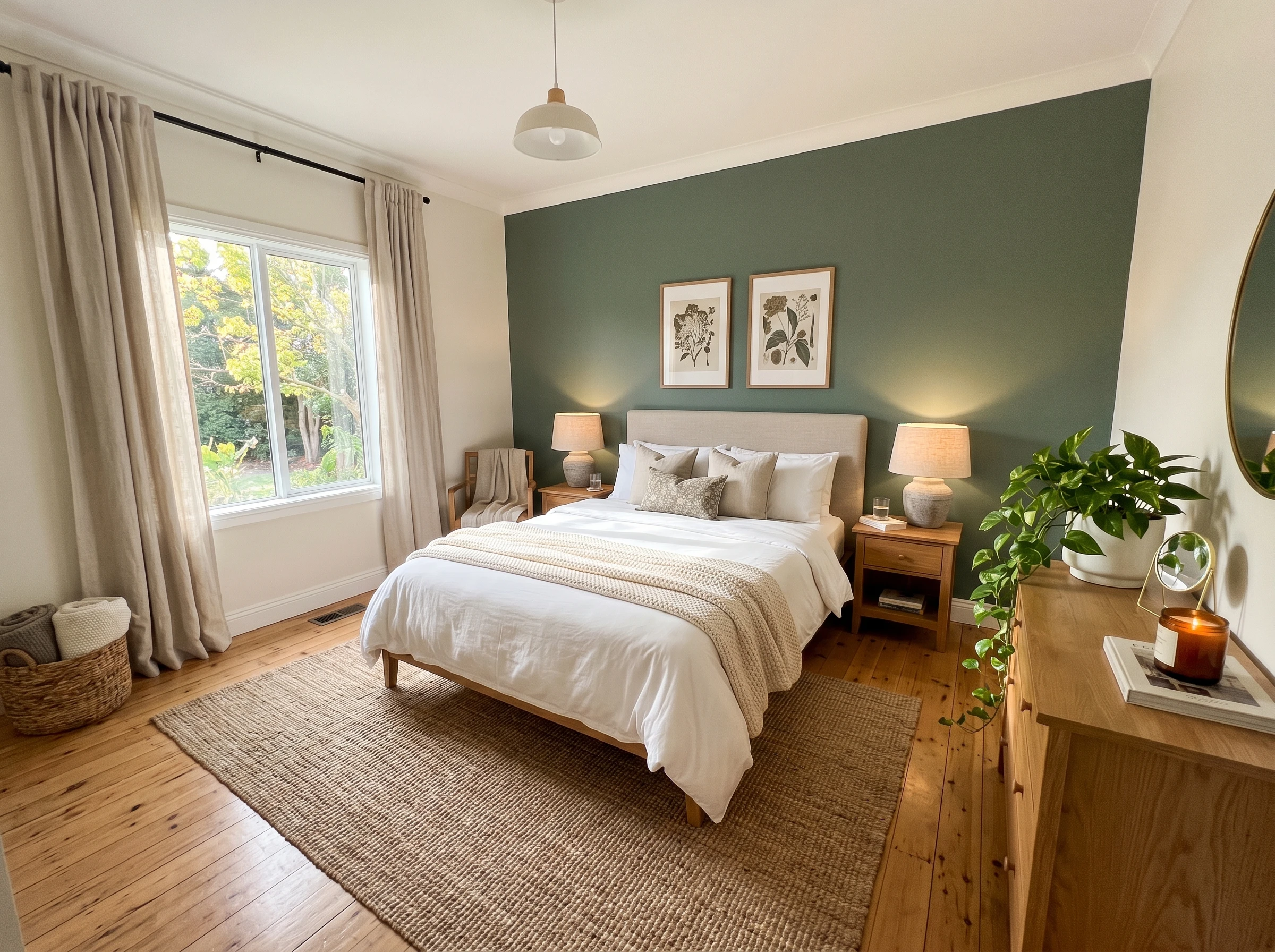
There is something about having a guest stay over that makes you look at your spare room with completely fresh eyes. Suddenly that bare mattress on a metal frame, the random stack of boxes in the corner, and the single bare bulb hanging from the ceiling feel a lot more embarrassing than they did last week. The good news is that a guest bedroom does not need to be expensive or complicated to feel genuinely warm and put-together. A few smart choices, some thrifty shopping, and a little creativity go a really long way.
The best guest bedrooms are not the ones with the fanciest furniture or the most expensive linens. They are the ones where guests feel like someone actually thought about them. A comfortable place to sleep, somewhere to put their bag, decent lighting, and a bit of personality are honestly all it takes. And none of that has to cost a lot.
This article covers 17 real, practical ideas for decorating a guest bedroom on a budget. Each one focuses on a specific look or approach, with tips on colors, furniture, lighting, and those little details that make a big difference. Whether you are starting from scratch or just want to freshen up an existing space, there is something here for every room size, style preference, and spending limit. Let us get into it.
Make It Feel Like a Hotel (Without the Hotel Price Tag)
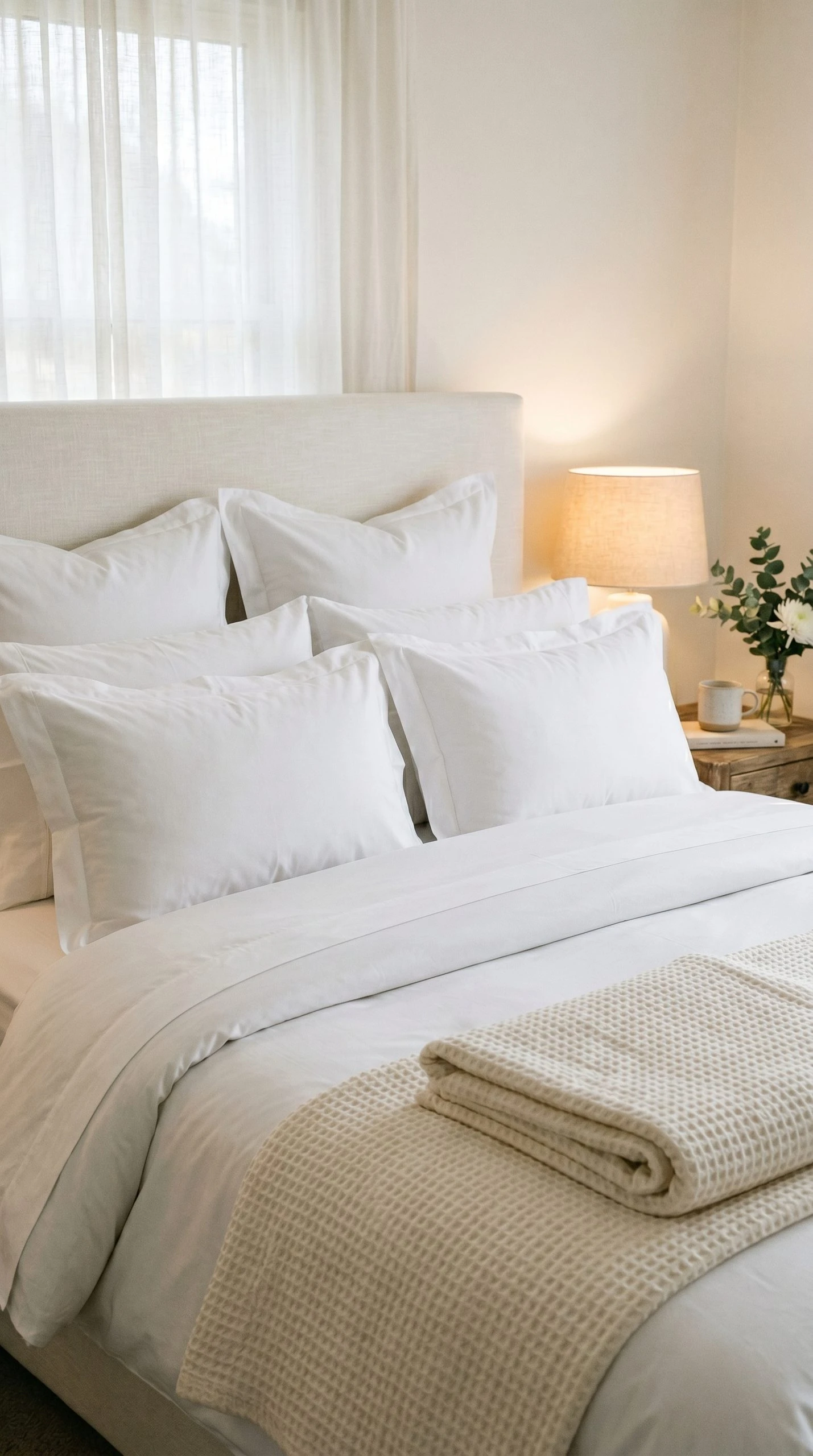
Go All-White on the Bed
A fully white bed is the single easiest way to make a guest room feel like a proper hotel. White duvet covers, white pillow shams, and a white flat sheet layered on top give the bed a clean, crisp look that just reads as intentional. The best part is that white bedding is incredibly easy to find on a budget. IKEA, Target, and Amazon all carry solid white duvet sets for under $40, and they wash beautifully every time.
Keep the rest of the room simple if you go this route. A white bed works best when the surrounding space is not competing with it. A neutral wall color like warm beige, soft gray, or even a muted sage green lets the white bedding stand out without the room feeling clinical. Add a single textured throw at the foot of the bed in a natural material like cotton waffle or chunky knit to break up all that white and add a bit of softness.
Lighting matters a lot with this look. A pair of matching bedside lamps with warm-toned bulbs (look for anything around 2700K) will keep the room from feeling cold or sterile. The whole setup can come together for well under $100 if you shop smart.
Budget Tip: Buy white duvet covers and pillowcases as separates rather than sets. They are usually cheaper, and you can mix sizes without paying for pieces you do not need.
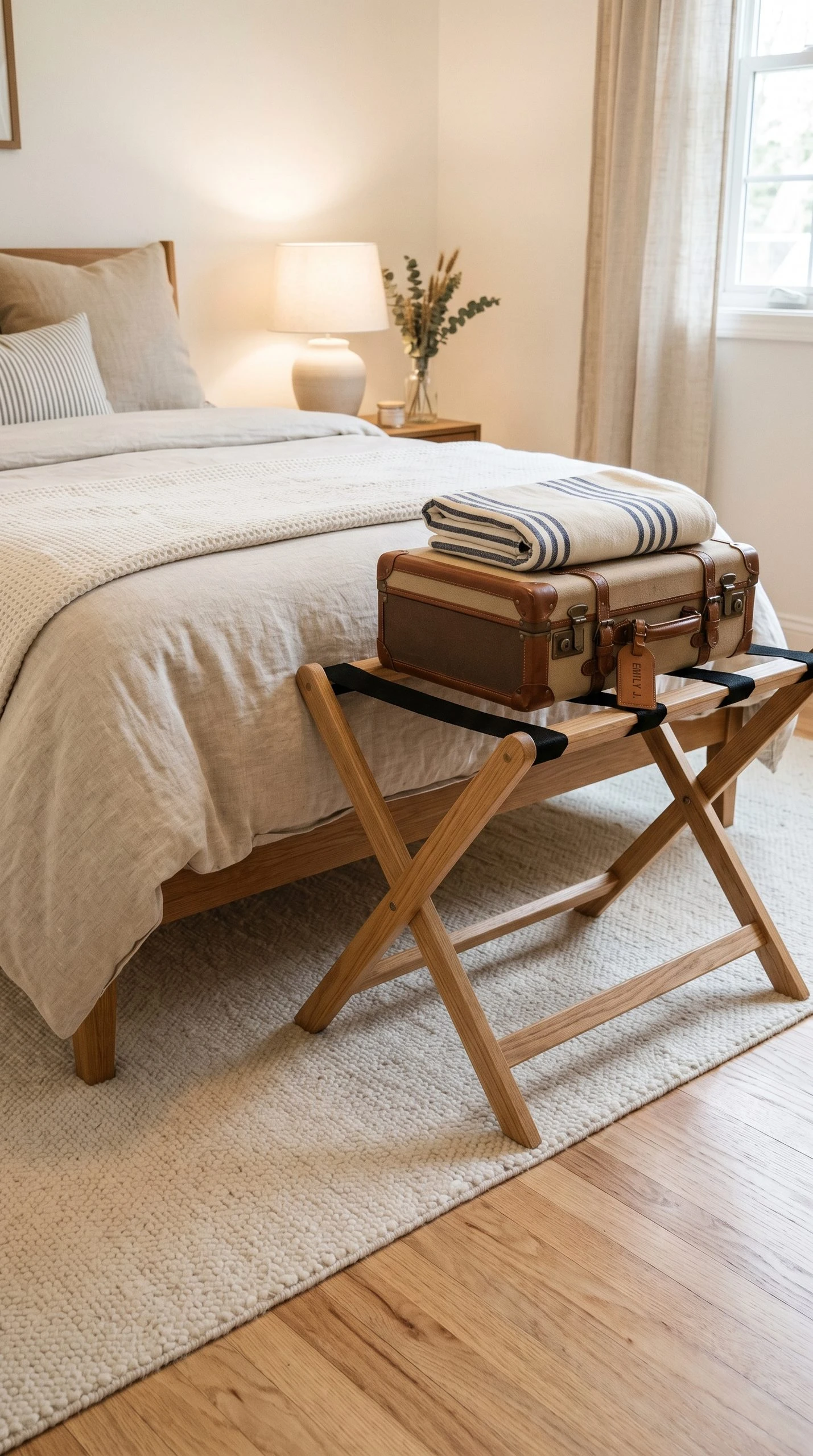
Add a Luggage Rack or Bench at the Foot of the Bed
This is one of those details that guests actually notice and appreciate, even if they cannot quite put their finger on why the room feels so thoughtful. A luggage rack gives visitors a proper place to set their suitcase instead of putting it on the floor or the bed. It is a small thing, but it makes the room feel genuinely considered.
You can find folding luggage racks in natural wood tones or matte black frames for under $30 on Amazon and at most home goods stores. If you would rather skip the rack entirely, a simple upholstered bench at the foot of the bed works just as well and doubles as somewhere to sit while getting dressed. Thrift stores often have benches that need nothing more than a quick sand and a fresh coat of paint to look completely intentional.
Either option pulls the room together in a way that feels polished without looking overdone. Pair it with a small tray or basket nearby where guests can leave their phone, keys, or wallet, and the whole vignette starts to feel like something from a boutique hotel.
Budget Tip: Fold-out luggage racks from Amazon in the $25-35 range are perfectly decent and take up almost no storage space when guests are not visiting.
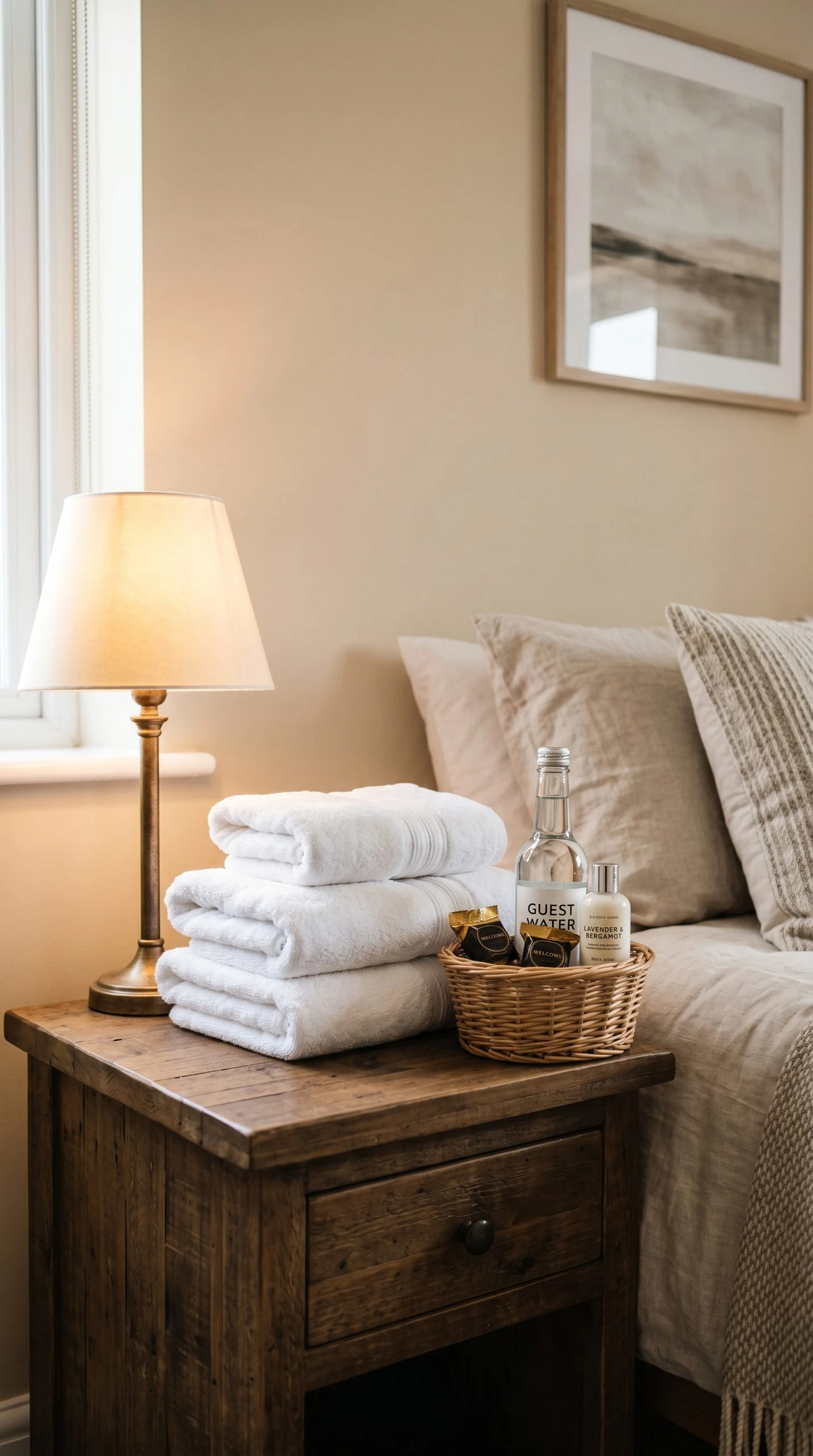
Fold Fresh Towels and Leave Them in the Room
You do not need to have an ensuite bathroom to give guests that hotel-room feeling when they arrive. Folding a fresh set of towels and leaving them on the bed or dresser before guests arrive is one of those gestures that genuinely makes people feel taken care of. Stack a bath towel, hand towel, and washcloth neatly and place them at the foot of the bed or in a small basket on the nightstand.
If you want to go a little further, a small basket with a few toiletry extras, like a travel-size lotion, a new toothbrush, and some cotton rounds, adds a really nice touch without costing much. Dollar stores and the travel section at Target are great for stocking these items cheaply. You can get a full little welcome basket together for under $10.
The color of the towels matters more than you might think. White or off-white towels look the cleanest and most intentional. If you already have colored towels, pick one consistent color and stick with it. A mismatched stack of random bathroom towels looks less like a thought-out detail and more like an afterthought.
Budget Tip: Buy a two-pack of white hand towels and a matching bath sheet from a discount store. Folded nicely, they look far more expensive than they are.
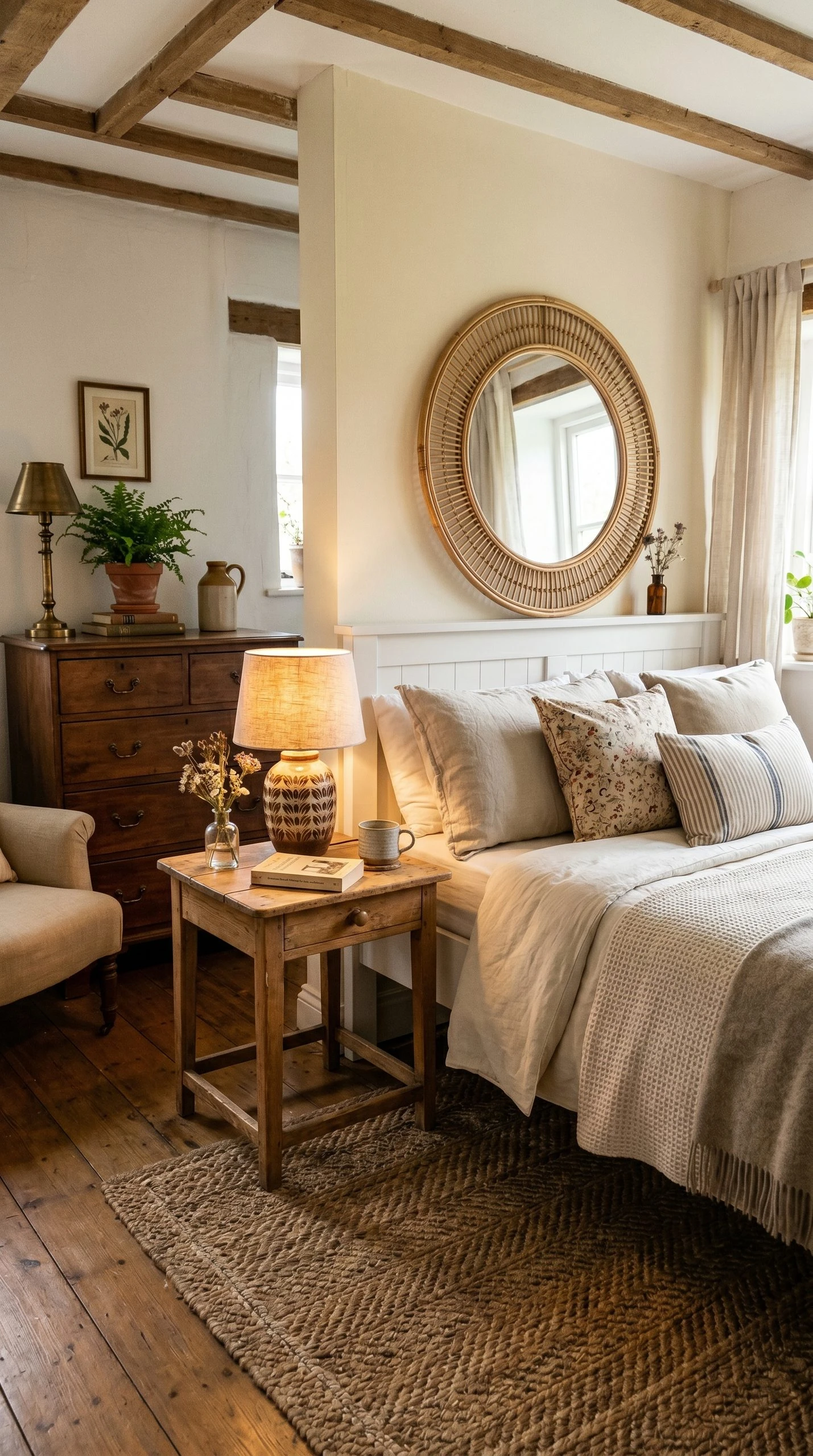
Work With What You Already Have
Repurpose Furniture from Other Rooms
Before spending a single dollar, walk through the rest of your home and look at what you already own. A side table from the living room can become a nightstand. A spare lamp from the hallway can give the guest room bedside lighting. A decorative mirror that is sitting in storage can go above the dresser and make the whole room feel bigger and brighter. Most people already own more than enough to furnish a decent guest room if they are willing to move things around.
The key is not to just dump whatever is leftover and call it a day. Be selective. Choose pieces that work together in terms of scale and feel. A very modern lamp next to a very rustic wooden nightstand can actually look great if they share a color or material. The point is to be intentional about the combination, not just random.
Once you have pulled pieces from around the house, take stock of what is still missing. Maybe you need a second lamp, or a rug, or some wall art. Now you know exactly where to spend the small budget you do have, rather than buying things you could have found at home.
Budget Tip: The ‘shop your home’ approach is completely free and often produces the most cohesive results because everything already belongs to the same general taste level.
Paint One Accent Wall for Instant Impact
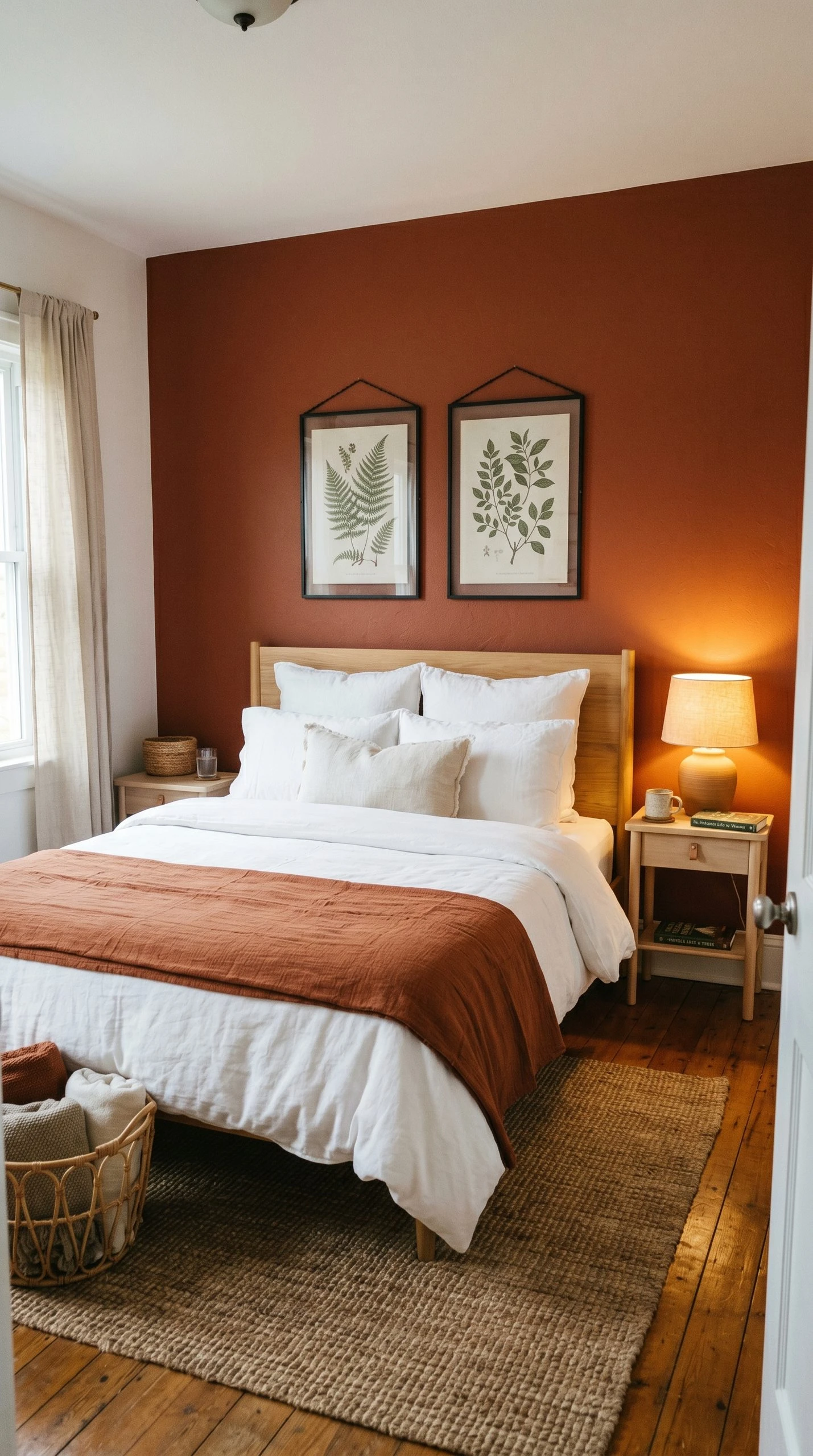
Paint is still one of the cheapest ways to completely change how a room feels, and you do not even need to paint all four walls to make it work. Choosing one wall, usually the one behind the headboard, and painting it a slightly different color from the rest of the room gives the space a focal point without requiring a full room repaint. A single quart of paint is usually enough to cover one average-sized wall and costs around $15 to $25.
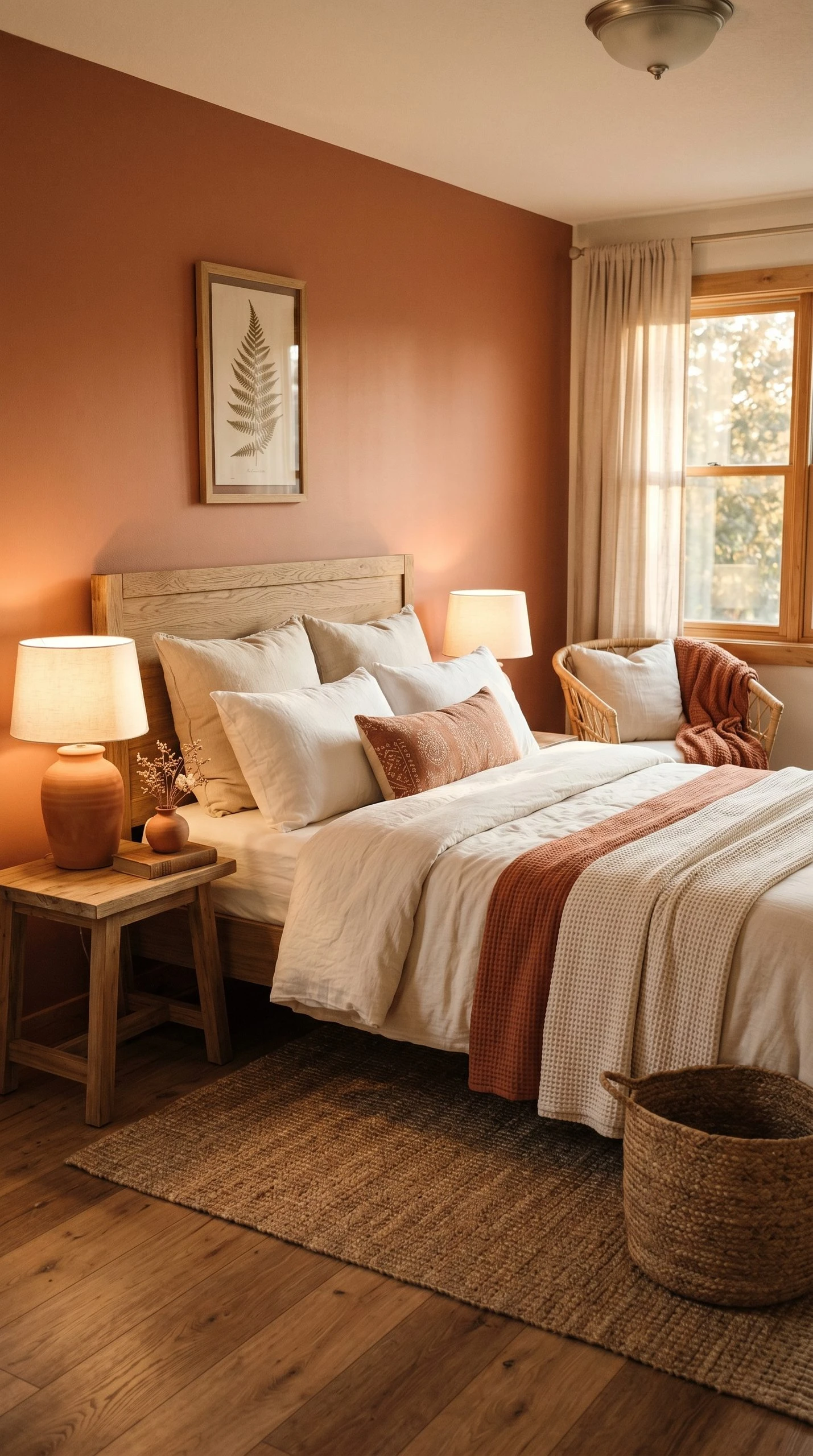
For a guest bedroom, warm earthy tones work really well as accent wall colors. A terracotta, a warm clay, a deep dusty blue, or even a rich forest green can completely anchor the room and make it feel like a proper, designed space rather than just a spare room with a bed in it. Warm neutrals like camel or deep linen also work beautifully if you want something subtler.
Make sure the rest of the room stays light and neutral if you go with a bold accent wall. White or off-white on the other three walls keeps everything balanced and stops the room from feeling heavy. The furniture and bedding do not need to be special; a simple white or cream bed against a deep-toned accent wall always looks put together.
Budget Tip: Check the ‘oops paint’ rack at hardware stores for mis-tinted paints sold at a steep discount. You can often find great colors for a fraction of the regular price.
Rearrange the Layout Before Buying Anything New
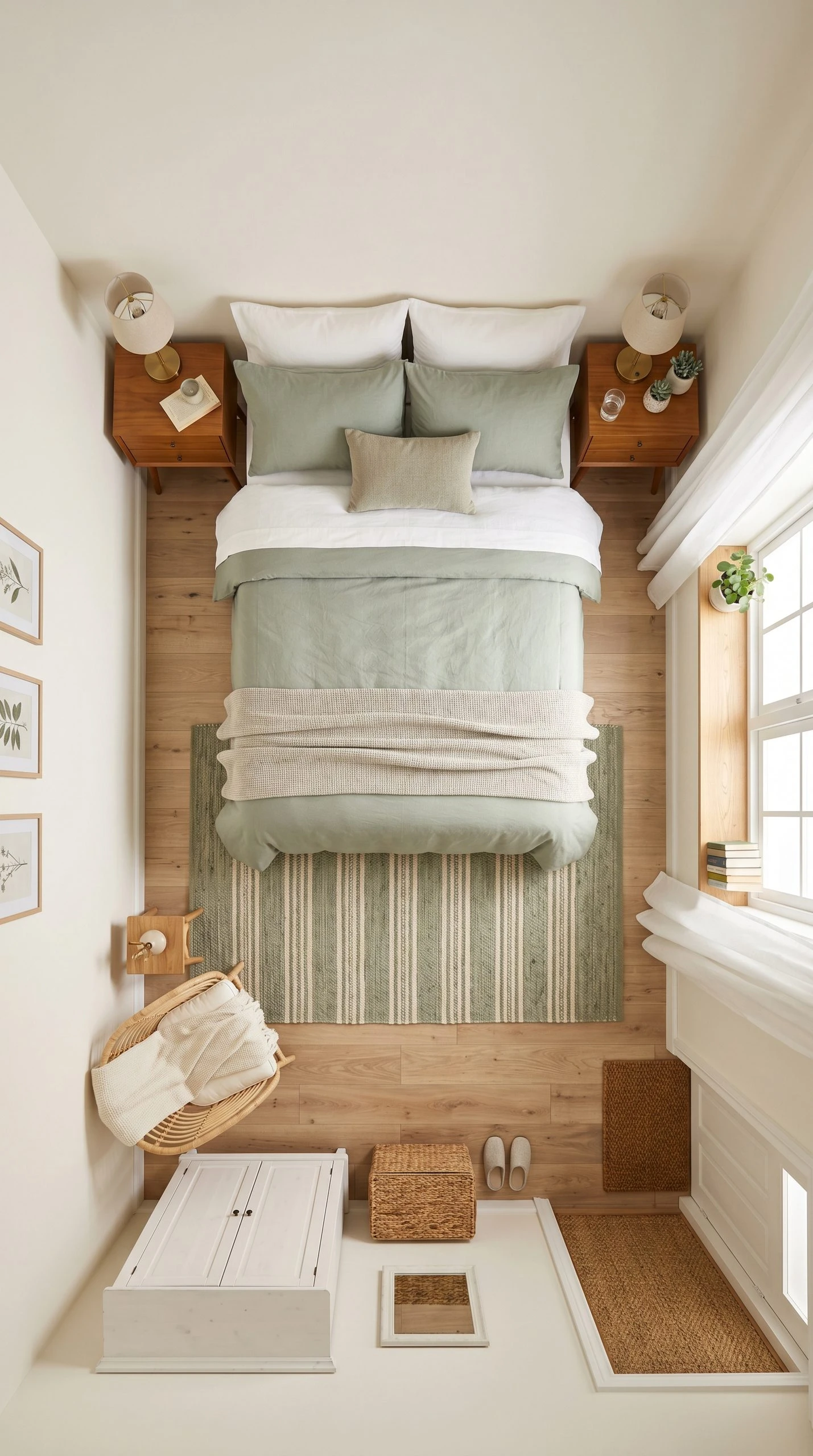
Layout has a massive impact on how a room feels, and moving furniture around costs nothing. Before buying a single new thing for the guest room, try at least two different furniture arrangements. Even in a small room, rotating the bed to face the door or pulling it away from the wall so both sides are accessible can make the space feel significantly more generous and intentional.
Think about the flow of the room from a guest’s perspective. Can they get in and out of bed easily from both sides? Is there somewhere to set a glass of water at night? Is the light switch reachable from the bed? These functional details matter just as much as aesthetic ones, and rearranging the layout often solves them without any spending required.
Once you have the layout sorted, the remaining furniture decisions become much clearer. You will know exactly what dimensions are available, where a rug would fit, and whether there is room for a small chair or reading nook. Start with the layout, always.
Budget Tip: Use a free room planning app like Planner 5D or RoomSketcher to experiment with layouts digitally before moving anything heavy in real life.
Style It Without Spending Much
Layer Textiles for a Cozy, Put-Together Look
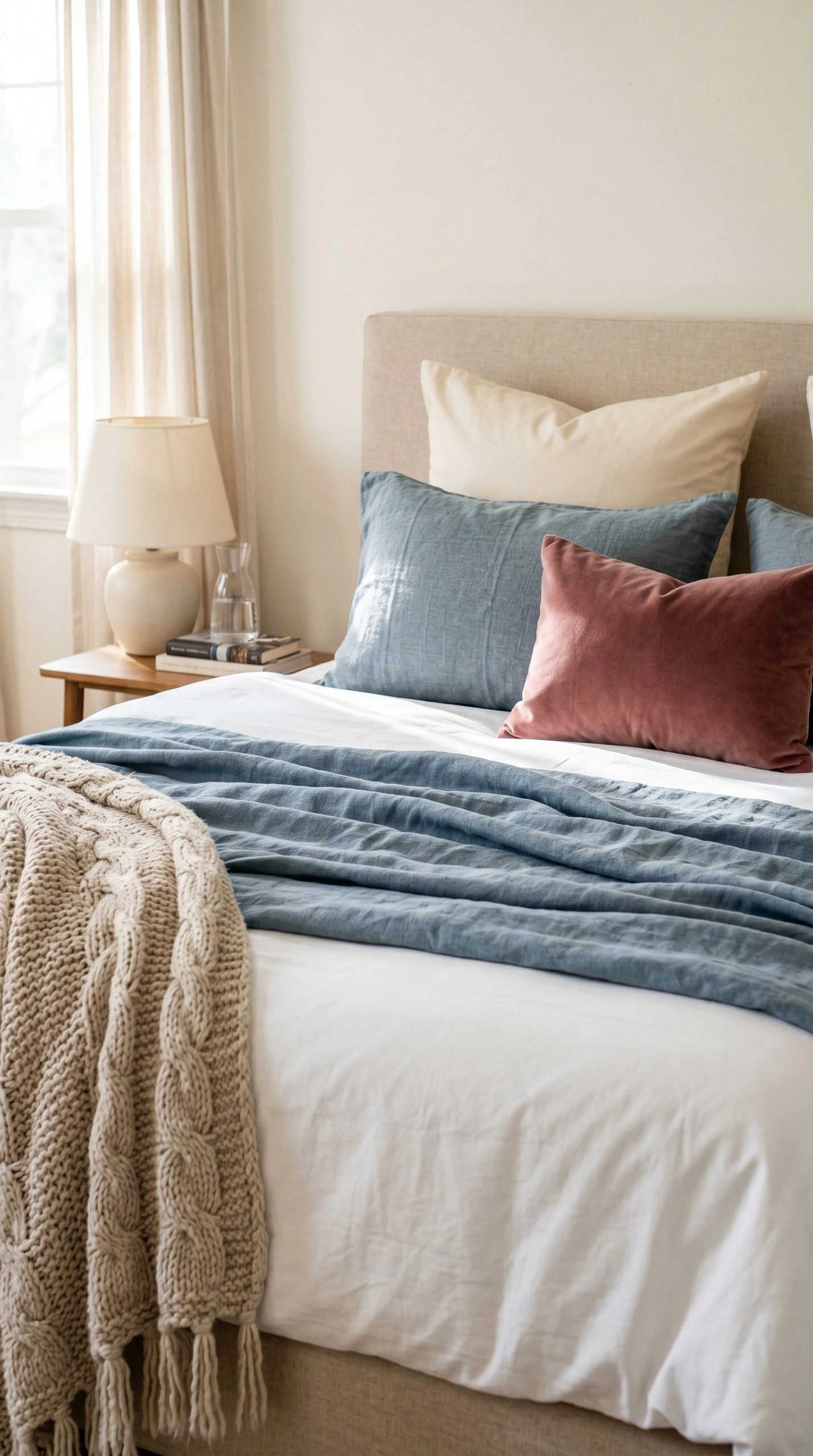
Textiles are the fastest way to make any room feel warmer and more finished. In a guest bedroom, layering a few different fabrics on and around the bed creates that cozy, inviting look that makes people want to climb in and stay a while. Start with a fitted sheet and a duvet or comforter, then add a lightweight blanket folded at the foot of the bed. Throw a couple of accent pillows in front of the sleeping pillows and suddenly the whole bed looks intentional.
The trick with mixing textiles on a budget is to stick to a simple color palette, usually two to three colors at most, and vary the textures instead. A smooth cotton duvet, a chunky knit throw, and a velvet or linen accent pillow all feel completely different to the touch but can look cohesive as long as the colors are working together. Think warm whites and taupes, or soft grays and blush tones, or navy and natural linen.
You do not need to buy a whole new bedding set every time you want to refresh the room. Swapping out two accent pillows and the throw blanket is enough to completely change the mood. Keep a small rotation of throw pillows and blankets in a storage bin and change them seasonally or whenever you want a new feel.
Budget Tip: HomeGoods, TJ Maxx, and similar discount stores almost always have a great selection of throw blankets and accent pillows for a fraction of department store prices.
Hang Affordable Art to Add Personality
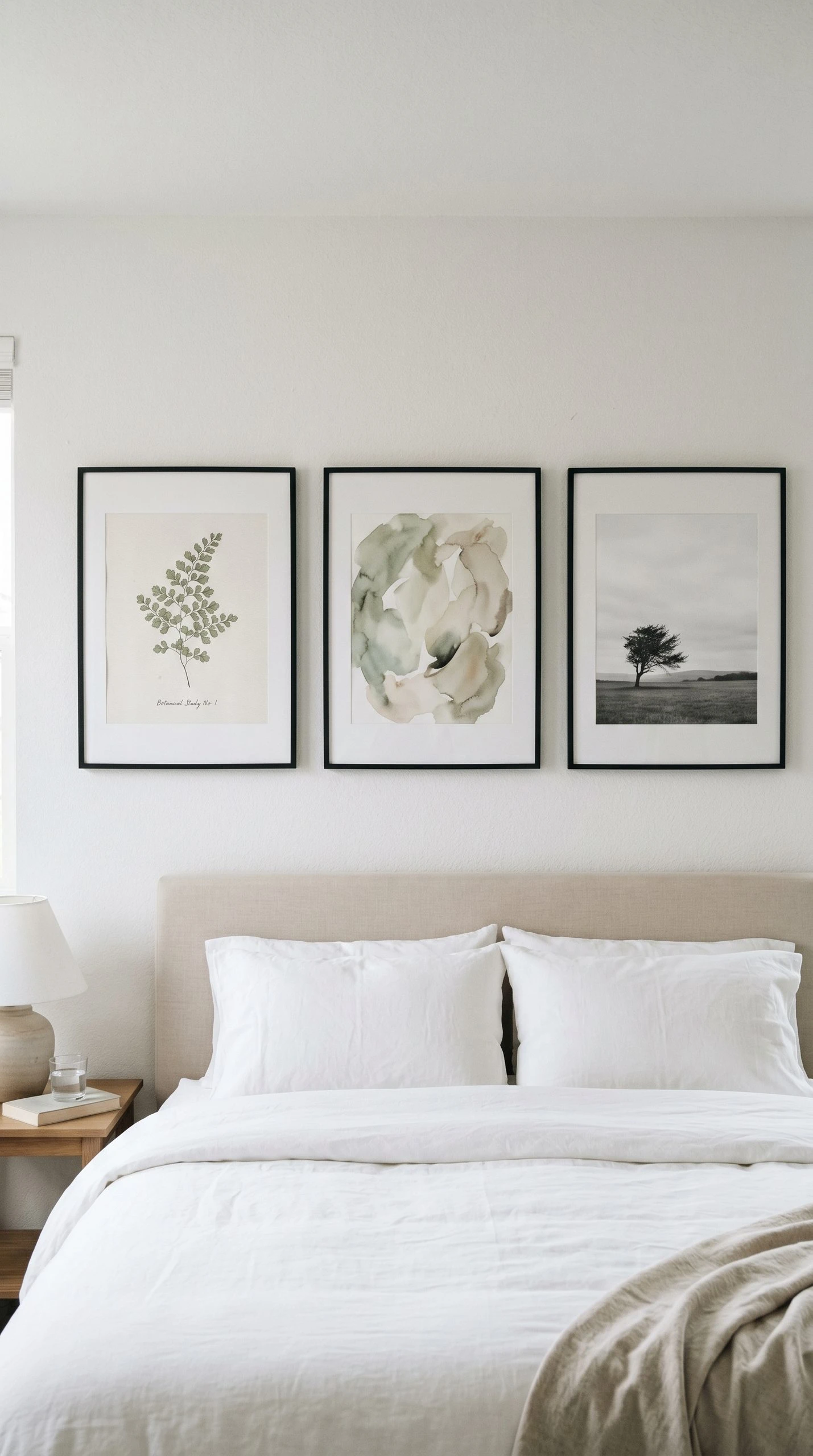
Blank walls are one of the main things that make a spare room feel unfinished and temporary. A few pieces of wall art can change that completely, and you absolutely do not need to spend a lot. Printable art from sites like Etsy lets you download and print pieces for a few dollars, and framing them at home with inexpensive frames from IKEA or Target makes the whole thing look proper and intentional.
For a guest bedroom specifically, calm and pleasant artwork tends to work best. Botanical prints, abstract watercolors, simple landscape photography, or even maps of meaningful places all make great choices. You want artwork that is interesting enough to give the room personality but restful enough that it does not feel energizing at night. Avoid anything too graphic or visually intense, since this is a room designed for sleep.
A gallery wall with three to five small frames in matching or complementary finishes works really well in guest bedrooms. Black frames look clean and modern, natural wood frames feel warmer and more casual, and mixing the two in the same finish family can look really collected and intentional. Arrange them at eye level, around 57 to 60 inches from the floor to the center of the grouping.
Budget Tip: Free printable art websites like Unsplash and Canva have thousands of beautiful images you can download and print at a local print shop for just a few dollars per print.
Use Mirrors to Open Up the Space
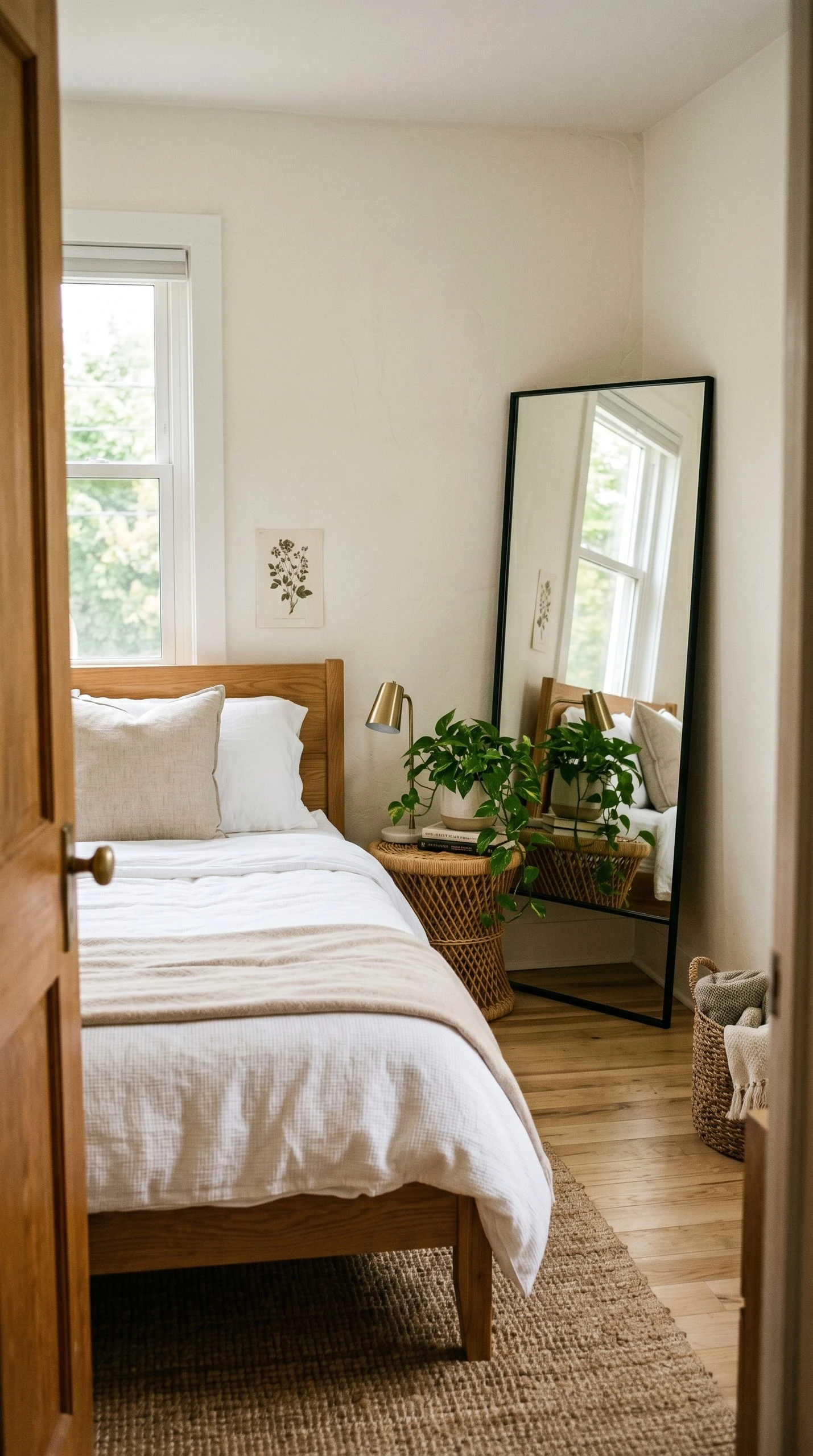
Mirrors are one of the most genuinely useful things you can add to a guest bedroom, both for practical reasons and for how they affect the feel of the room. A full-length mirror somewhere in the room is something guests actually need and appreciate, especially if they are getting dressed for work or an event. And a mirror placed opposite a window bounces natural light around the space, making even a small or dim room feel brighter and bigger.
You do not need a statement mirror to make this work. A simple rectangular mirror in a thin black frame leaned against the wall looks modern and relaxed. A round mirror with a natural rattan frame adds a bit of organic warmth. Both can be found for under $50 at most home stores, and thrift shops frequently have mirrors that just need a new coat of spray paint on the frame to look completely fresh.
In a smaller guest bedroom, a large mirror can actually double as a design feature if positioned thoughtfully. Lean a full-length mirror in the corner of the room at a slight angle, or hang a wider mirror horizontally above the dresser to make the wall feel more expansive. Either approach adds light and dimension without taking up floor space.
Budget Tip: Thrift store mirrors with dated frames can be completely updated with a $5 can of spray paint. Matte black and gold are consistently popular frame colors that complement almost any style.
Add a Small Rug to Define the Space
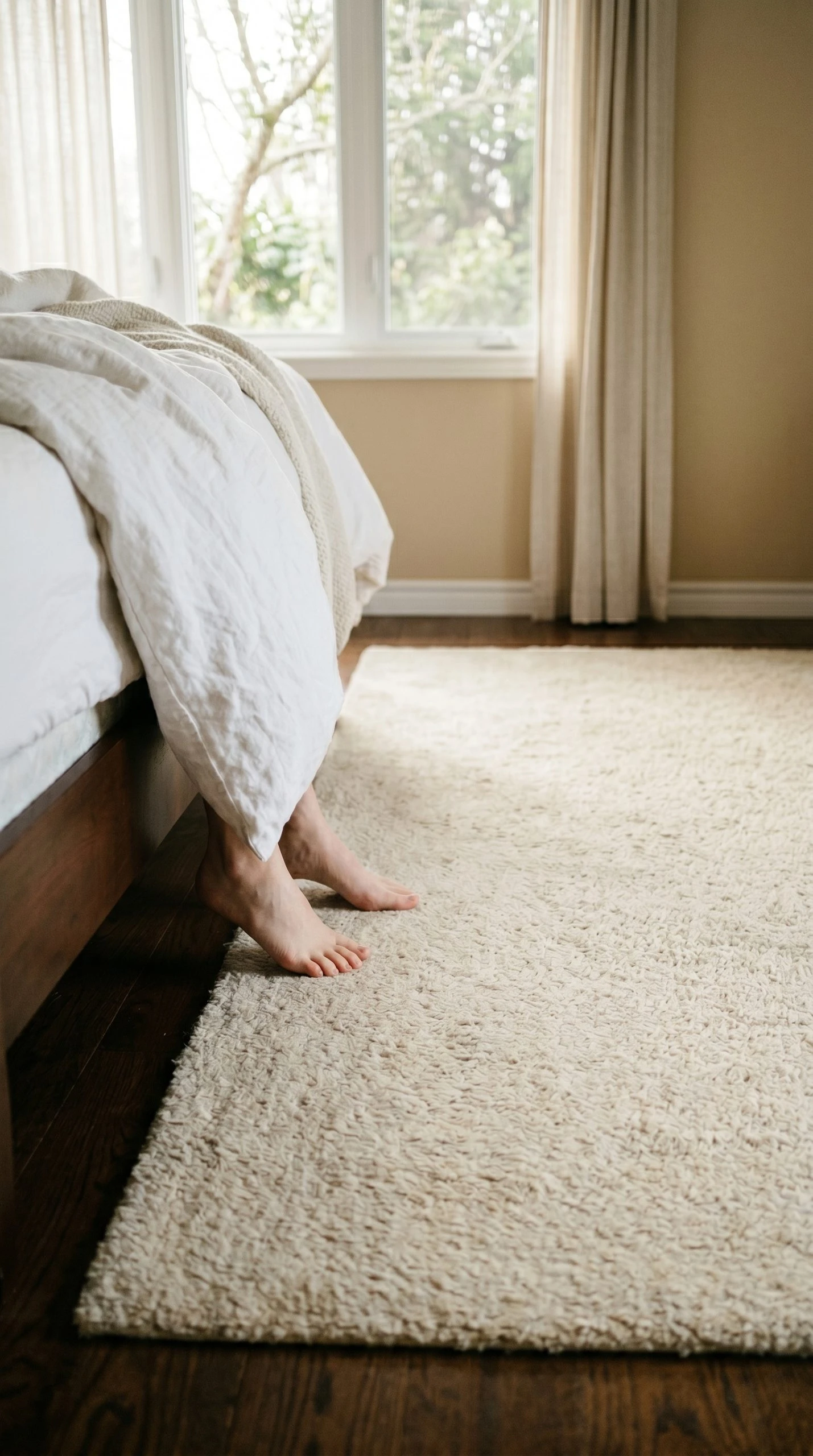
A rug does something to a room that is hard to explain but immediately visible. It grounds the furniture, adds warmth underfoot, and makes the space feel deliberately designed rather than just assembled. In a guest bedroom, even a smaller rug placed at the foot of the bed or running along one side adds a lot of comfort and visual interest.
For a budget guest bedroom, the best rug options tend to be low-pile or flatweave styles in natural tones or simple patterns. Jute and sisal rugs are very affordable and add lovely organic texture, though they can feel a bit rough underfoot so think about whether your guests are likely to be barefoot. A soft low-pile rug in cream, gray, or a warm sand tone is usually a safer and more comfortable choice.
Size matters with rugs in bedrooms. Ideally, the rug should extend at least 18 to 24 inches on either side of the bed so guests have something soft to step onto in the morning. If that size is out of budget, two smaller matching runners placed on each side of the bed achieve the same functional effect for significantly less money.
Budget Tip: Amazon and Wayfair have a large selection of area rugs under $60, particularly in flatweave cotton and low-pile styles. A 5×7 in a neutral tone is a very versatile starting size.
Make Guests Feel Genuinely Comfortable
Get the Lighting Right
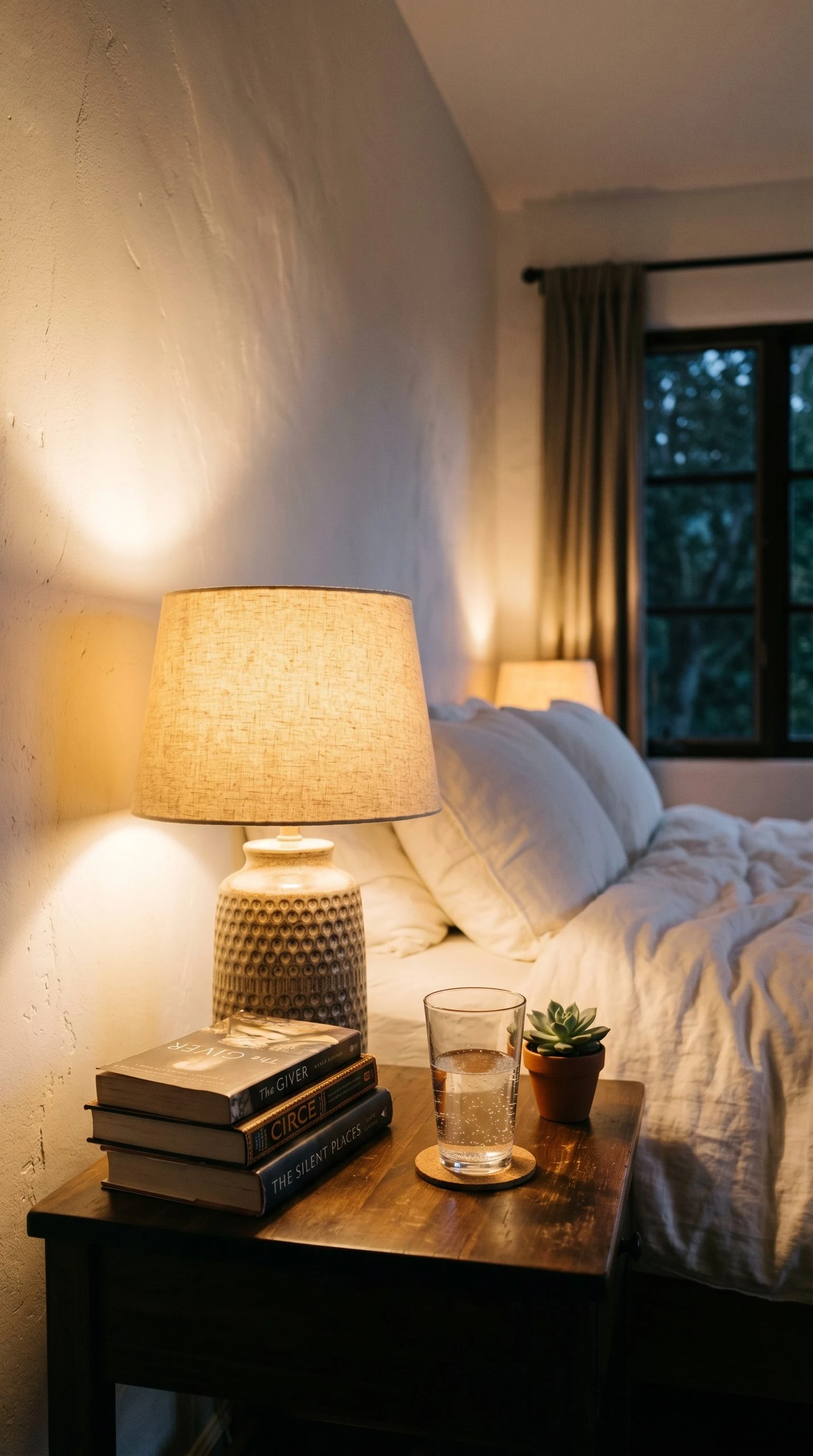
Lighting is one of those things that most people get wrong in a guest bedroom, and it makes a noticeable difference. Overhead lighting is harsh and unflattering for a room that is meant to feel restful. If you can, add at least one bedside lamp so guests can control the light from where they are sitting or lying in bed. Two lamps, one on each side of the bed, is ideal and makes the room feel much more balanced.
Warm bulbs are non-negotiable for a comfortable guest bedroom. Look for bulbs labeled ‘warm white’ or with a color temperature around 2700K. These produce that soft, golden light that makes a room feel cozy and inviting rather than bright and clinical. You can find LED bulbs in this tone for under $10 for a multipack at most hardware or grocery stores.
If hardwired bedside lighting is not an option, a plug-in sconce is a very affordable alternative that looks nearly identical to a wall-mounted light. These typically run $30 to $60 and require no electrical work. A small string of warm LED lights draped along the headboard or windowsill also adds a really nice ambient glow for very little cost.
Budget Tip: A basic ceramic or fabric table lamp from IKEA paired with a warm LED bulb costs around $15 to $25 and immediately makes a room feel cared for.
Create a Small Welcome Basket
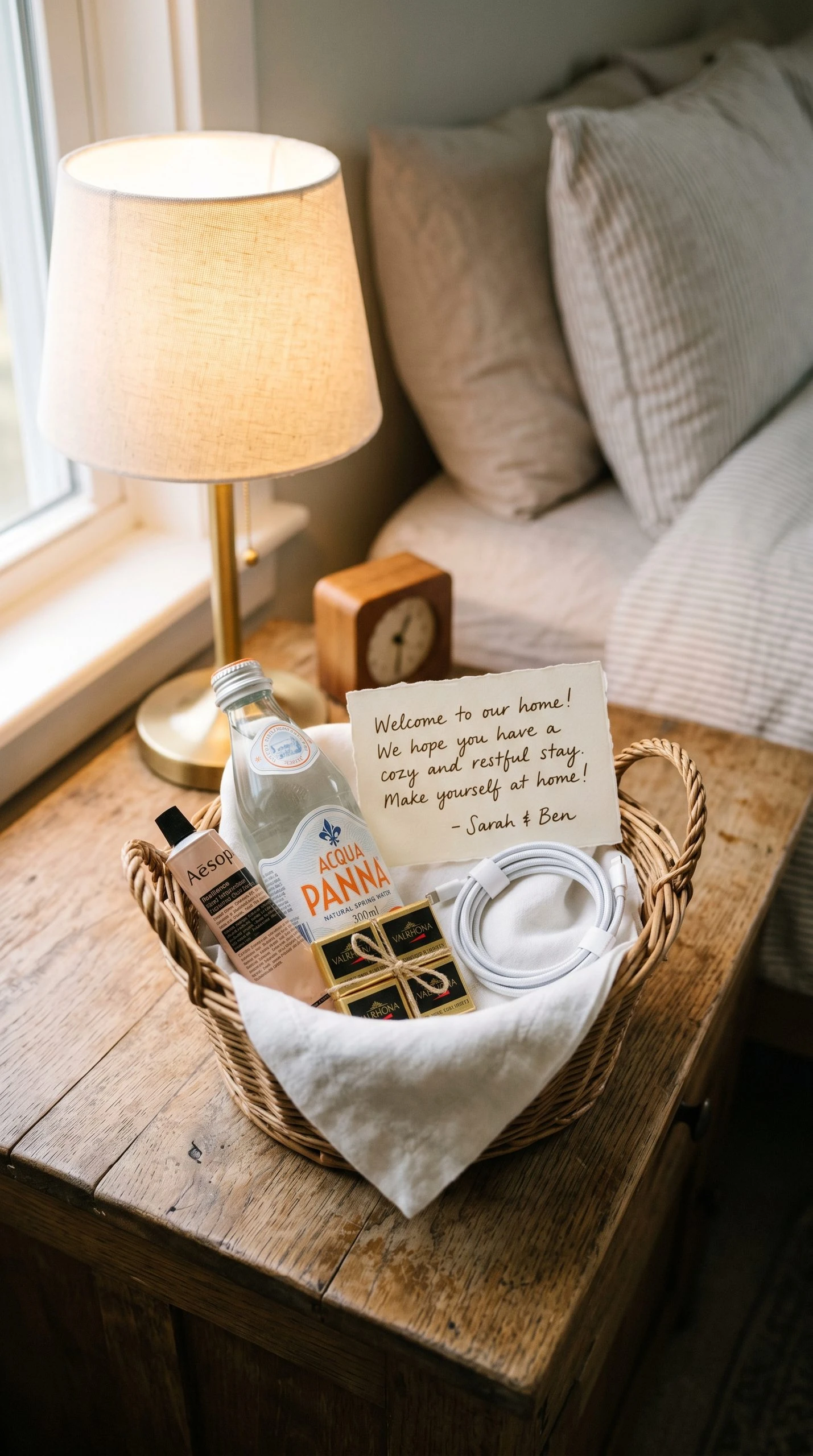
A little welcome basket on the nightstand or dresser is one of those details that sounds small but genuinely makes guests feel like you went out of your way for them. It does not need to be fancy or expensive. A small wicker basket or a shallow tray with a few thoughtful items tucked inside is more than enough to communicate that you thought about their stay in advance.
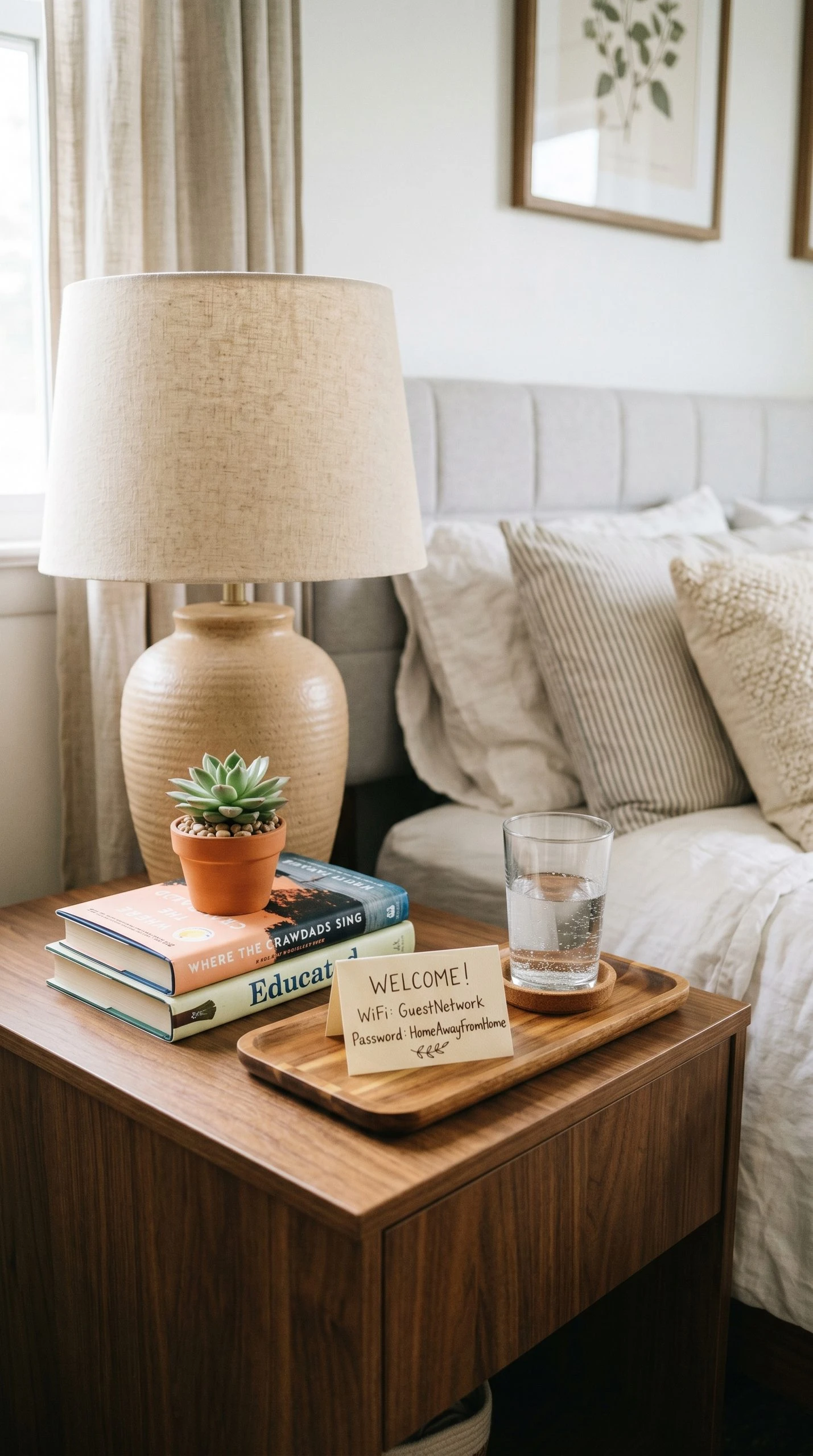
Good things to include are practical and useful rather than decorative: a travel-size lotion or hand cream, a small bottle of water, a few wrapped mints or chocolates, earplugs in case the house is noisy, and a phone charging cable in the most common format. A little card with the WiFi password and your general house hours is also genuinely useful and costs almost nothing to put together.
The basket or tray itself can come from a dollar store, a thrift shop, or literally just a pretty bowl you already own. Line it with a small piece of tissue paper or a folded cloth napkin to make everything look a little more intentional. The whole thing can be assembled for $10 to $15 and guests remember it every single time.
Budget Tip: Dollar Tree and Five Below are excellent sources for travel-size toiletries, small baskets, and little treat items. A full welcome basket can come together for under $10.
Make the Closet or Storage Actually Usable
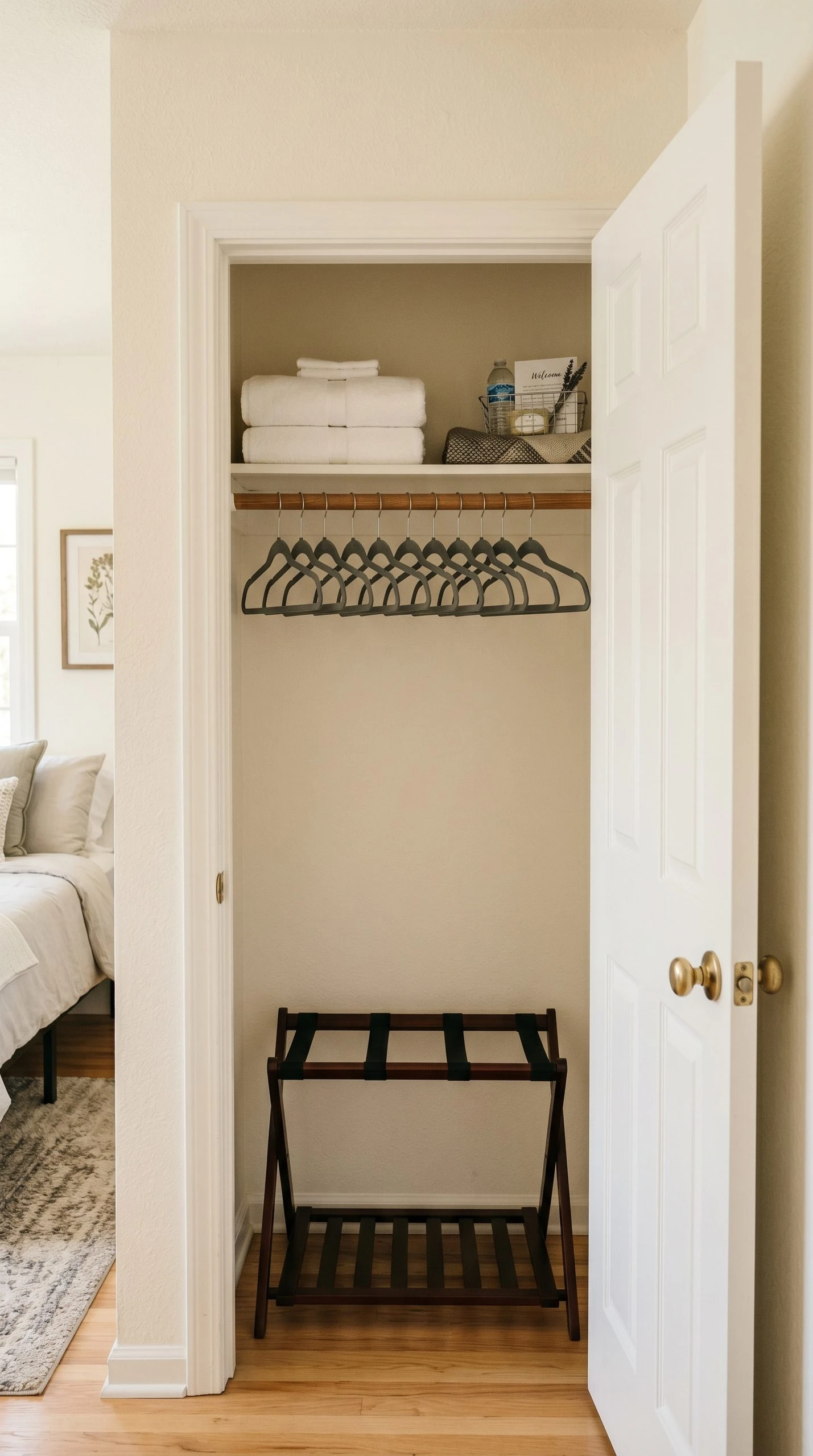
One of the most overlooked aspects of a comfortable guest bedroom is having somewhere practical to put things. Guests do not want to live out of a suitcase on the floor for the duration of their stay, but that is exactly what they are forced to do when the guest room closet is packed with your own off-season clothes and storage boxes. Clearing even half the closet and adding a few empty hangers is a small gesture that guests genuinely appreciate.
If there is no closet in the room, a few wall-mounted hooks near the door or beside the dresser serve the same purpose and take up almost no space. A simple hook rail from IKEA runs under $10 and can hold coats, bags, scarves, and tomorrow’s outfit without any trouble. A small luggage stand gives guests a designated place for their suitcase so it is not sitting on the bed or crowding the floor.
A simple dresser with at least one or two empty drawers is also something guests appreciate far more than you might expect. Even if you cannot leave a whole chest of drawers clear, one dedicated drawer labeled or left obviously empty signals that the room was set up for them, not just converted at the last minute from its usual function as a storage room.
Budget Tip: A pack of matching velvet hangers from Amazon costs under $15 for 30 hangers and makes a cleared-out closet look much more intentional and welcoming.
Include a Reading Light and Something to Read
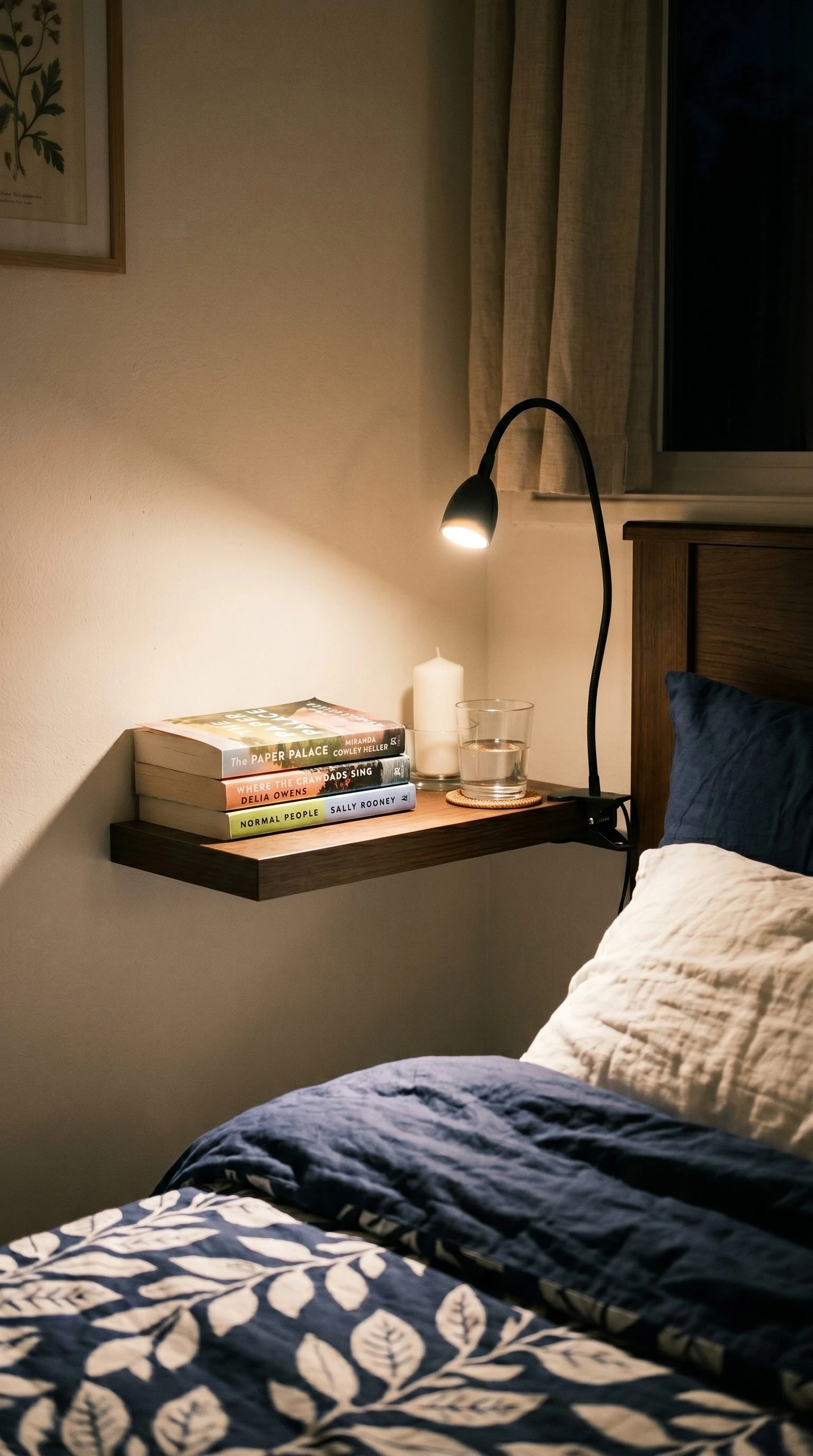
A good reading light is one of the things that separates a comfortable guest room from an uncomfortable one. Overhead lighting is too bright and unflattering, and fumbling around in the dark to find a lamp switch is frustrating when all you want to do is read for a bit before bed. A small adjustable clip-on light or a dedicated bedside lamp that guests can control easily from the bed makes nighttime feel much more civilized.
Having something to actually read in the room is a lovely touch that costs almost nothing if you already have books or magazines you have finished with. A small stack of three to five books in the room, from light fiction to a coffee table book with good photography, gives guests something to flip through whether or not they intended to read during their visit. It also makes the room feel lived-in and personal rather than sterile.
A small shelf or floating ledge beside the bed is the perfect place for the reading lamp, the books, and the welcome basket mentioned earlier. You can find basic floating shelves at IKEA for under $10. Mounting one at nightstand height on the wall beside the bed is a great solution for rooms where there is no space for actual furniture on both sides.
Budget Tip: Clip-on book lights and USB-powered reading lights are available for under $15 and do not require any additional lamps or wiring. They attach to headboards or shelves easily.
Give It a Real Design Personality
Choose a Color Story and Stick to It
One of the main reasons spare bedrooms feel unfinished is that they look like a collection of random objects rather than a room with a point of view. Choosing a simple color story and committing to it is the fastest way to fix that without spending money on new furniture. A color story for a bedroom does not need to be complicated. Two to three colors that work well together, used consistently across the bedding, the wall, small accessories, and the art, are all it takes.
Good color combinations for a budget guest bedroom include warm white with natural wood tones and a dusty sage, or cream with terracotta and rust, or a soft blue-gray with white and a touch of warm brass. Pick one slightly bolder color as the accent and let the rest of the palette be neutral. Then make sure every item you bring into the room references at least one of those colors.
When shopping on a budget, having a clear color story makes decision-making much faster and more effective. Instead of choosing things you vaguely like, you are shopping for specific tones. That focus means fewer impulse buys that do not quite work, and a more cohesive result even when buying from completely different stores or thrift shops.
Budget Tip: Create a simple mood board using free tools like Pinterest or Canva before buying anything. Seeing the colors together before committing to them saves money and avoids returns.
Add a Plant or Fresh Flowers
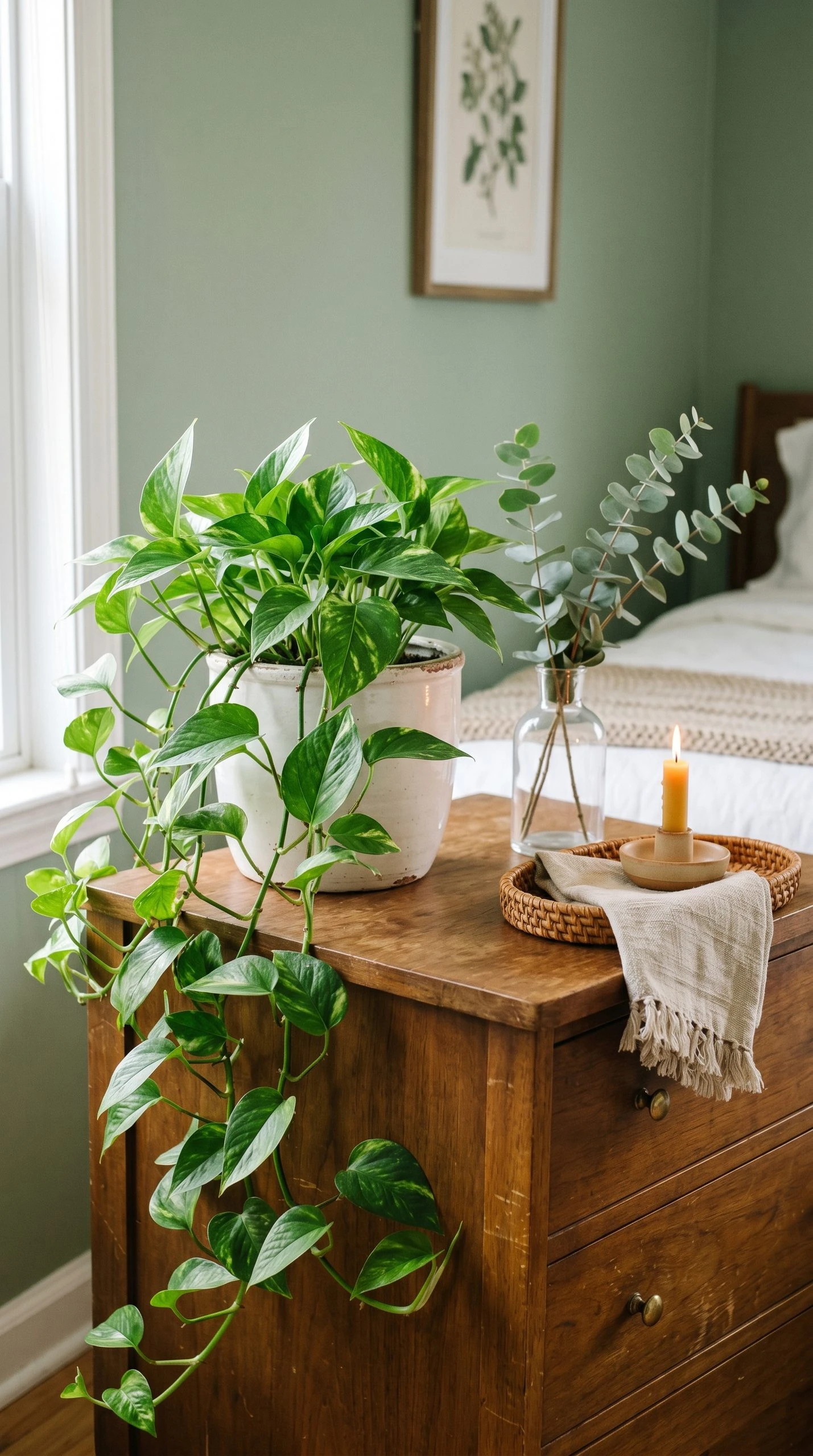
A single plant or a small vase of fresh flowers does more for the energy of a room than almost anything else on this list. It sounds simple, and it is, but the presence of something living and growing in a guest bedroom makes the space feel cared for and vibrant rather than just functional. It signals that someone prepared the room recently, which in itself feels welcoming.
If you are worried about maintenance, low-effort plants like pothos, a small snake plant, or a succulent are nearly impossible to kill and look good in almost any style of room. A pothos trailing over the edge of a dresser or shelf adds a natural, organic quality that softens even the most sparse room. A small snake plant in a simple terracotta pot is an inexpensive and enduring choice that works in virtually every light condition.
Fresh flowers are obviously a nicer gesture when you know guests are coming, and even a $5 grocery store bunch of eucalyptus or baby’s breath in a simple glass jar looks genuinely lovely. If cut flowers feel like too much, a small sprig of dried lavender or some dried pampas grass in a bud vase requires no upkeep and adds color and texture without any ongoing effort.
Budget Tip: Propagated cuttings from your own plants, or from a friend’s, cost nothing and are one of the most charming and personal additions to any room.
Style the Nightstand Like a Little Vignette
The nightstand is one of the most important surfaces in a guest bedroom because it is right at eye level when guests are lying in bed. A cluttered or completely bare nightstand both feel uninviting, but a small, thoughtful arrangement of a few items makes the whole room feel more polished. Think of it as a little vignette: a lamp, a small stack of books, a candle or small plant, and the welcome basket. That is really all you need.
The items on the nightstand should be useful as well as decorative. A lamp that actually works, a coaster for a glass of water, a phone charging cable, and a small clock or the WiFi password written on a card. Decorative items that serve no function just end up in the way when guests are trying to set things down at night, so keep the purely decorative pieces minimal.
If the existing nightstand is mismatched or unattractive, a simple piece of furniture fabric or a small tray on top of it can unify everything sitting on the surface and draw the eye away from the piece of furniture itself. A wooden tray, a marble-look trinket dish, or even a woven rattan mat under the lamp adds a layer of visual intention without requiring a furniture swap.
Budget Tip: A matching pair of thrifted table lamps spray-painted the same color costs almost nothing and immediately makes a room feel more pulled-together than two lamps that do not relate.
Hang Curtains Higher and Wider Than the Window
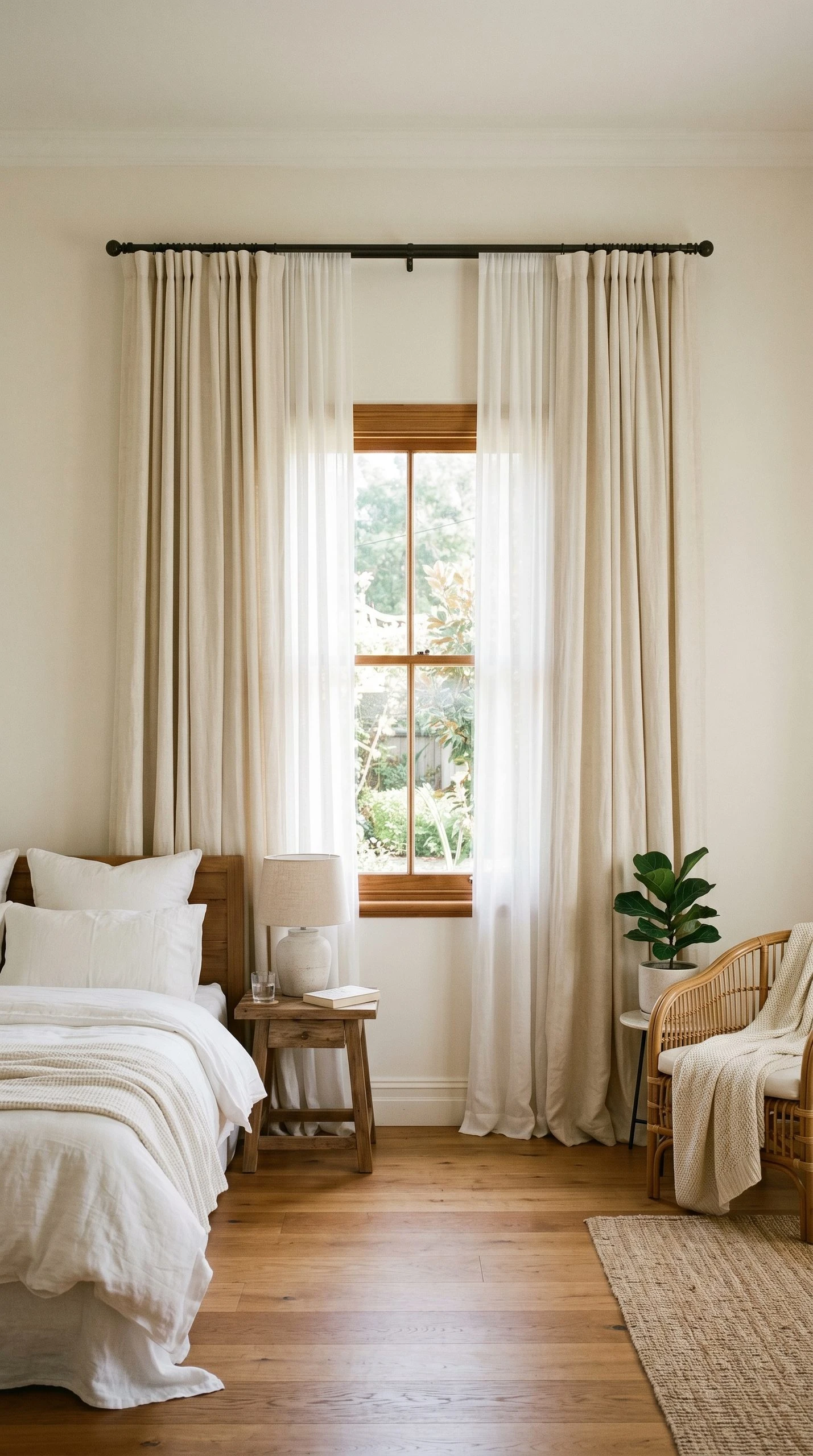
This is a classic interior design trick that works in every room, including a guest bedroom on a budget. Hanging curtain rods a few inches above the window frame rather than right at the top of the frame, and extending the rod several inches beyond the window on each side, makes any window look taller, wider, and more dramatic. The room feels bigger, the ceilings feel higher, and the whole thing looks more intentional than it has any right to given how simple the change is.
For a guest bedroom specifically, blackout curtains are worth the small extra cost. Guests who are used to different light schedules or who are staying across time zones will be genuinely grateful for a room that can get properly dark. Blackout curtains are available at IKEA and Target for under $30 per panel and come in a wide range of neutral tones that work with almost any decor.
If the room already has blinds or shades that provide adequate privacy, adding a set of sheer curtains on top of them adds softness and a layered, finished look without the full cost of blackout panels. Sheer curtain panels can be found for under $15 per pair and instantly make a room feel lighter and more styled. Either way, hanging them high and wide is the move.
Budget Tip: IKEA’s LENDA and AINA linen-look curtain panels are consistently praised for their quality and affordability, usually coming in at under $20 per panel in a variety of neutral tones.
Wrapping It All Up
Putting together a guest bedroom on a budget is really about making smart choices rather than many choices. The rooms that feel genuinely welcoming are not the ones with the most furniture or the most expensive linens. They are the ones where it is clear someone thought about the guest’s experience and took a little time to make the space feel prepared. That does not cost a lot of money. It costs attention.
Start with the things that have the biggest impact for the least money: fresh white bedding, a warm-toned lamp, a cleared-out closet, and one personal touch like a plant or a little welcome basket. Then layer in the other ideas gradually as your budget allows. You do not need to do everything at once. Even three or four of these changes applied to a bare spare room will make a significant difference in how it feels.
Your guests will notice. And more than the specific items or the color palette or the curtains, what they will notice is that you cared enough to make it nice for them. That is the whole point of a guest bedroom, and it is fully achievable without spending a fortune.
Frequently Asked Questions
Q: How much does it cost to decorate a guest bedroom on a budget?
A: It really depends on how much the room already has in it. If you are starting from scratch with a mattress and nothing else, a basic but comfortable and attractive guest bedroom can come together for $200 to $400 if you shop at discount stores, thrift shops, and places like IKEA and Target. If the room already has basic furniture and just needs freshening up, you can often do it for $50 to $100 by focusing on bedding, a lamp, a rug, and a few accessories.
Q: What is the most important thing to have in a guest bedroom?
A: A comfortable place to sleep is non-negotiable, but beyond the bed itself, good lighting is probably the most impactful thing you can add. A proper bedside lamp with a warm-toned bulb makes any room feel more comfortable and considered. After that, a cleared closet with a few empty hangers and somewhere for guests to put their suitcase makes a bigger practical difference than most decorative choices.
Q: How can I make a small guest bedroom feel bigger?
A: A few things work really well together. Keep the color palette light and neutral, particularly on the walls and the bedding. Hang curtains high above the window frame and wide beyond the edges to make the window look larger. Add a mirror to bounce light and create the illusion of more space. Choose furniture that does double duty, like a storage ottoman or a nightstand with drawers, and keep the floor as clear as possible.
Q: Is it worth buying new furniture for a guest bedroom on a budget?
A: Not necessarily. Before buying anything new, check what you already have around your home that could be repurposed. A side table from another room, a spare lamp, a storage basket you are not currently using. Thrift stores and Facebook Marketplace are also excellent sources for guest bedroom furniture at a fraction of retail prices. Many people find that with a little creativity and some shopping around, they can furnish a guest bedroom for very little with pieces that look completely intentional.
Q: What colors work best in a guest bedroom?
A: Soft, restful tones tend to work best because they are easy to sleep in and appealing to a wide range of tastes. Warm whites, muted sage greens, dusty blues, warm grays, and soft earthy tones like clay or taupe are all good options. Bold accent colors work well too when balanced with plenty of neutral around them. Avoid very bright or saturated colors on all four walls, as they can feel energizing rather than restful, which is the opposite of what a guest bedroom should feel.
Q: How do I make my guest room feel welcoming without spending a lot?
A: The details matter more than the budget. A set of freshly washed and neatly arranged white bedding, a warm lamp, a cleared closet with hangers, a plant or a small vase of flowers, and a little welcome basket with the WiFi password and a few practical items will make almost any guest room feel genuinely thoughtful. None of those things are expensive individually, but together they communicate clearly that you prepared the space with your guest in mind.