
The Honest Guide to a Home That Always Smells Good

There is something quietly magical about walking into a home that smells amazing. It does not have to be fancy or heavily scented. In fact, the best-smelling homes are rarely the ones drowning in plug-in air fresheners or artificial sprays. They smell clean, warm, and lived-in in the best possible way. People always want to know the secret, and the truth is, it comes down to a handful of consistent habits and a few clever tricks that work together.
Most of us have had that moment of embarrassment when someone walks through the door and we suddenly become hyperaware of whatever is lingering in the air. Maybe it is last night’s dinner, a pet, damp laundry, or just that vague staleness that builds up when a space is not getting enough fresh air. The good news is that none of these problems are hard to fix. You do not need expensive products or a professional cleaning crew.
What you need is a two-step mindset: get rid of what smells bad first, then layer in what smells good. Skipping step one and going straight to candles or diffusers is like painting over a stain. It does not work for long. This guide walks you through 17 practical hacks organized exactly in that order so your home can smell genuinely good all the time, not just when you light something.
Whether you are dealing with pet odors, a kitchen that holds onto cooking smells, or a bathroom that never quite feels fresh, there is something here for you. These are not complicated or expensive ideas. Most of them cost next to nothing and take just a few minutes to put in place. Read through them, pick the ones that fit your home, and you will notice the difference faster than you think.
Category One: Kill the Odor First
Before you add a single scented candle or spritz of essential oil, you have to deal with what is already in the air. Masking bad smells never works for long. These first six hacks are all about neutralizing odors at the source so your home starts from a genuinely clean baseline.
1. Open Your Windows Every Single Day
This sounds so obvious that most people skip it, and that is exactly why their homes smell stale. Indoor air gets trapped and builds up with cooking fumes, body odors, pet dander, and moisture over time. The single most effective thing you can do for a fresh-smelling home is open your windows for at least ten to fifteen minutes every day, even in winter. Cold air is not your enemy here. Fresh air moving through your space pushes out the stale stuff and resets the air quality completely.
Try to open windows on opposite sides of the house so you create a cross-breeze rather than just letting air sit near one opening. Morning is the best time to do this, before indoor activity picks up. If you live somewhere with poor outdoor air quality or heavy traffic, keep it short and strategic. Five minutes of a good cross-breeze can make a noticeable difference in how the entire space smells.
Quick Hack: Set a daily reminder on your phone labeled ‘air the house’ so it becomes a non-negotiable part of your morning routine.

2. Deep Clean Your Trash Cans
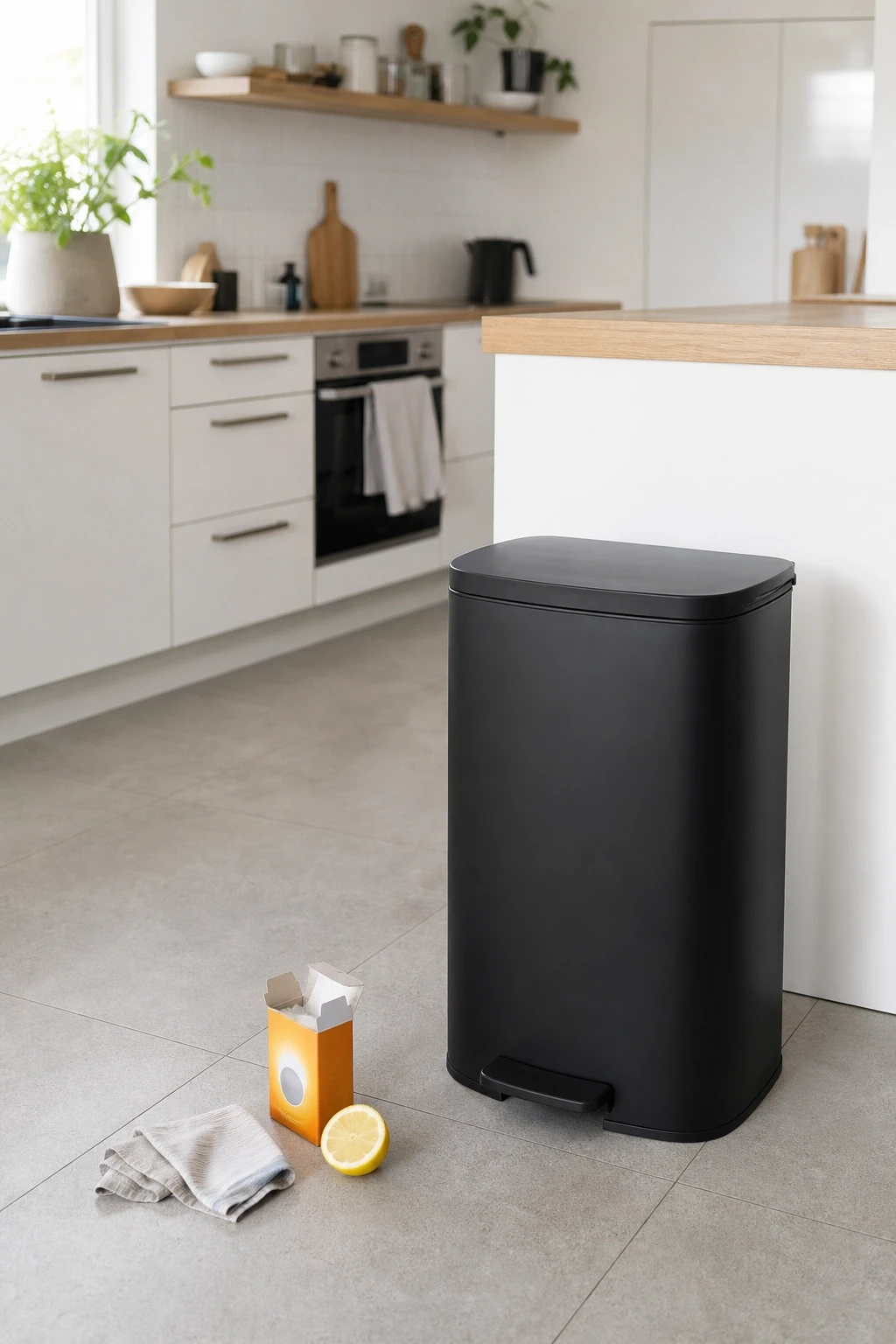
Your trash can is probably the most overlooked odor source in the house. Even with liner bags, juices leak, food particles stick, and bacteria builds up inside the can itself. Most people replace the bag but never wash the bin, and that is where the smell is coming from. Give every trash can in your home, including the small bathroom ones, a proper scrub with hot soapy water and a splash of white vinegar at least once a month.
After it dries, sprinkle a thin layer of baking soda at the bottom before you put the new liner in. It absorbs moisture and neutralizes odors between washes. You can also tuck a dryer sheet underneath the liner for a light, clean scent. For kitchen bins especially, rinse food packaging before tossing it in and take the trash out before it gets full rather than waiting until it is overflowing.
Quick Hack: Keep a small shaker of baking soda next to your kitchen trash can so you remember to dust the bottom every time you change the bag.
3. Tackle Your Washing Machine
Your washing machine is supposed to clean things, but if it smells musty, it is contaminating every load of laundry you run through it. The warm, damp environment inside a front-loader especially is a perfect breeding ground for mold and mildew. If your towels smell fine when they go in but come out a little off, your machine is the problem. Run an empty hot cycle once a month with a washing machine cleaning tablet or a cup of white vinegar poured directly into the drum.
After every single wash, wipe down the rubber door seal with a dry cloth, because that fold traps water and residue and is where the mildew lives. Leave the door and the detergent drawer open between uses so everything can dry out properly. It feels like a small thing, but a clean machine means genuinely fresh laundry, and fresh-smelling laundry makes the whole bedroom and bathroom smell better by extension.
Quick Hack: After your last load of the day, set the detergent drawer on a dish towel to dry out completely instead of sliding it back in while still damp.

4. Freshen Your Carpets with Baking Soda
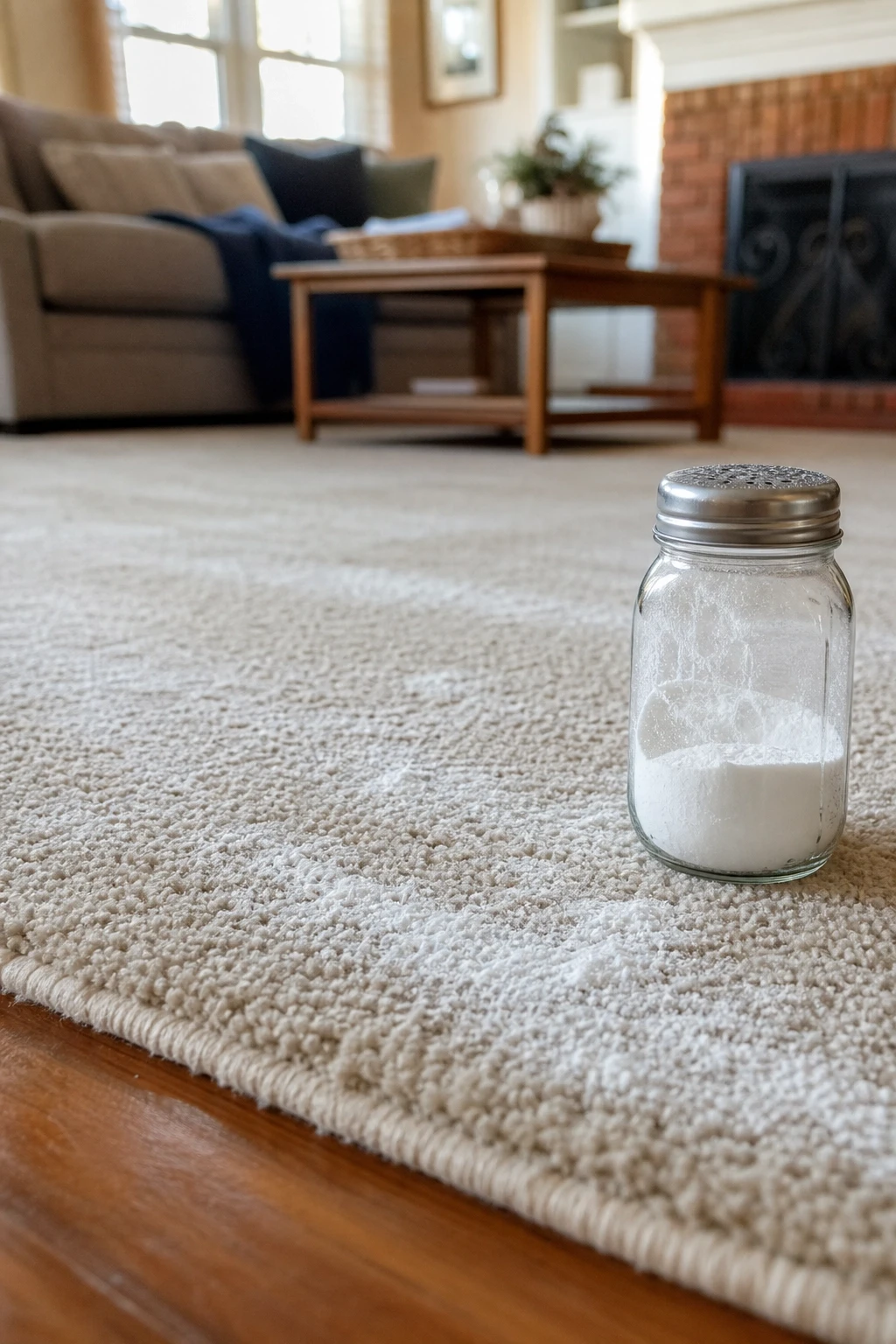
Carpets and rugs act like giant sponges. They absorb pet odors, foot smells, spilled food, and airborne particles, and then slowly release all of it back into the room. If your home has wall-to-wall carpet or large area rugs, they are probably a bigger odor source than you realize. You do not need a professional cleaner every week. A simple baking soda treatment once a month does a remarkable job of pulling out built-up smells.
Sprinkle a generous layer of plain baking soda across the carpet, let it sit for at least thirty minutes, and then vacuum it up thoroughly. For a lighter fragrance, you can mix the baking soda with a few drops of lavender or eucalyptus essential oil before you sprinkle it. Let it dry completely before applying so the oil does not clump. Focus on high-traffic areas like hallways, living rooms, and any spots where pets sleep or spend time.
Quick Hack: Do this right before you vacuum your regular cleaning so you are not adding an extra step to your routine.
5. Clean Your Garbage Disposal
The kitchen sink area is one of the most common sources of mystery bad smells in a home. People clean the counter, scrub the sink, but completely forget about the garbage disposal, which sits there collecting layers of food debris in its crevices and under its rubber splash guard. When warm water hits it, it releases those smells right back into your kitchen. Cleaning it is easier than most people think.
Cut a lemon into quarters, drop the pieces in, run cold water, and let the disposal grind them up. The citric acid breaks down the grease and residue while the lemon scent neutralizes odors naturally. Do this once a week and you will notice a difference within days. For a deeper clean, lift the rubber splash guard and scrub the underside with an old toothbrush and dish soap. That is where the worst buildup hides, and cleaning it properly makes a big difference.
Quick Hack: Freeze lemon juice into ice cubes and toss two or three down the disposal whenever you run it. The cold also helps sharpen the blades.

6. Wash Your Curtains and Upholstery
Soft surfaces are odor magnets. Curtains hang near open windows, catch cooking fumes, absorb pet dander, and collect dust. Sofas, throw pillows, and fabric headboards hold onto body oils, pet smells, and anything else floating in the air. Most people deep clean their floors and counters but never think about the soft furnishings. Washing your curtains every few months and refreshing your upholstery makes an enormous difference in baseline air quality.
Check the care label on your curtains. Many can go right into the washing machine on a gentle cycle. For sofas and chairs, a good vacuum with an upholstery attachment first, followed by a light spray of fabric refresher or diluted white vinegar solution, handles most everyday smells. Throw pillow covers and blankets should be washed monthly if you have pets. Letting them air out in sunlight occasionally also kills bacteria and freshens the fabric naturally without any product at all.
Quick Hack: Every time you change your bed sheets, throw your bedroom curtains over a chair outside or near an open window for thirty minutes. The fresh air does more than you would expect.

Category Two: Add the Good Stuff
Once your home is starting from a clean slate, this is where the real fun begins. These eight hacks are about layering in scent in ways that feel natural, personal, and long-lasting rather than overwhelming or synthetic.
7. Simmer Pot Magic on the Stove
A simmer pot is probably the most underrated home fragrance hack there is, and it costs almost nothing. You simply fill a small pot with water, add ingredients you likely already have, and let it simmer on the lowest heat setting. The steam carries the scent through the house far more naturally than any candle or spray. The warmth feels cozy rather than perfumed, and you can adjust the strength by adding more water or ingredients as it reduces.
Classic combinations include sliced oranges with cinnamon sticks and a few cloves for a warm, spiced scent perfect in cooler months. In summer, fresh mint, lime slices, and a sprig of rosemary gives a clean, herby freshness. Vanilla extract with a cinnamon stick and some apple peels creates that bakery smell everyone loves without actually baking anything. Let it go for one to two hours and keep an eye on the water level. Never let it fully boil dry.
Quick Hack: Keep a small jar of your favorite simmer pot blend ready to go so you can drop it into a pot of water the moment guests are on their way.

8. Use an Essential Oil Diffuser Strategically
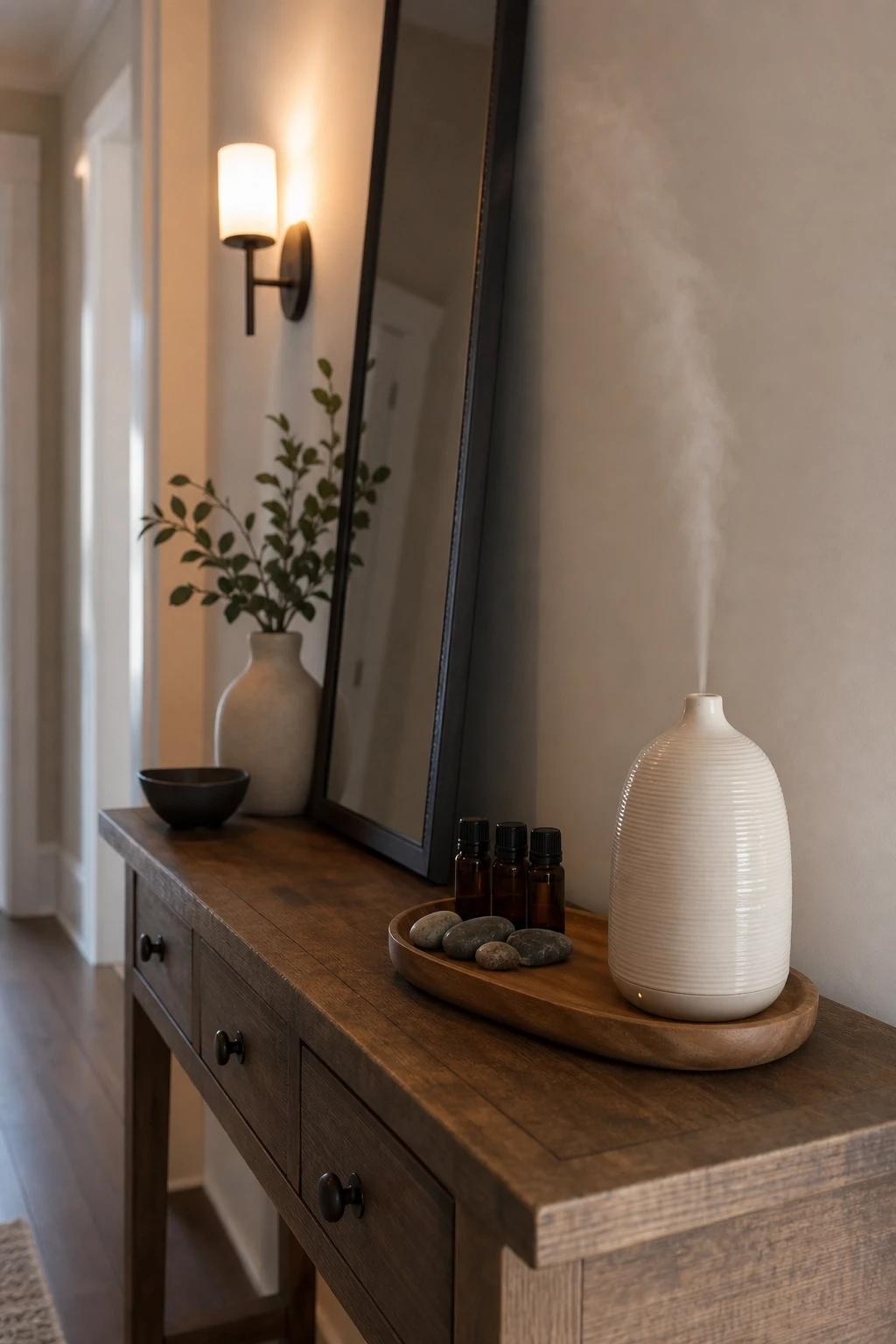
Essential oil diffusers are one of the better long-term investments for home fragrance because they give you complete control over what goes into the air. Unlike plug-in fresheners with chemical fragrance, diffusers use pure oils that are not only pleasant but can also affect your mood and focus. The key is placement and subtlety. One diffuser in the wrong spot, or with too many drops of oil, makes a room smell overwhelming. Done right, it is barely noticeable but consistently pleasant.
Place a diffuser in the entryway so the scent is the first thing people notice when they walk in. A second one in the main living area or bedroom works well. For the entryway, citrus and fresh herb scents like bergamot or lemon verbena feel bright and welcoming. For the bedroom, lavender or cedarwood creates a calm, restful atmosphere. Use only four to five drops per session and run it for thirty to sixty minutes at a time rather than leaving it on all day long.
Quick Hack: Rotate your scents seasonally so your home always smells appropriate to the time of year, warm spices in autumn, light florals in spring, citrus in summer, and wood or amber in winter.
9. The Vanilla Extract Trick for the Oven
This one surprises people every time. Put two caps of pure vanilla extract into an oven-safe dish and place it in a 300-degree oven for about an hour. The gentle heat fills the entire house with a warm, bakery-style fragrance that smells like you have been baking all afternoon. It is completely safe, uses only one ingredient, and the scent lasts for hours after you turn the oven off.
This is a great one to use before guests arrive or on a lazy weekend morning when you want the house to feel cozy. Vanilla is one of the most universally loved scents and tends to make people feel immediately comfortable and at home. You can also add a small amount of cinnamon or nutmeg to the dish to layer in extra warmth. The whole trick costs pennies and works better than most commercial options available. Just do not forget the dish is in there.
Quick Hack: Combine this with a simmering pot of apple and cinnamon on the stove at the same time and your home will smell like the best version of autumn all day long.

10. Hang Eucalyptus in Your Shower
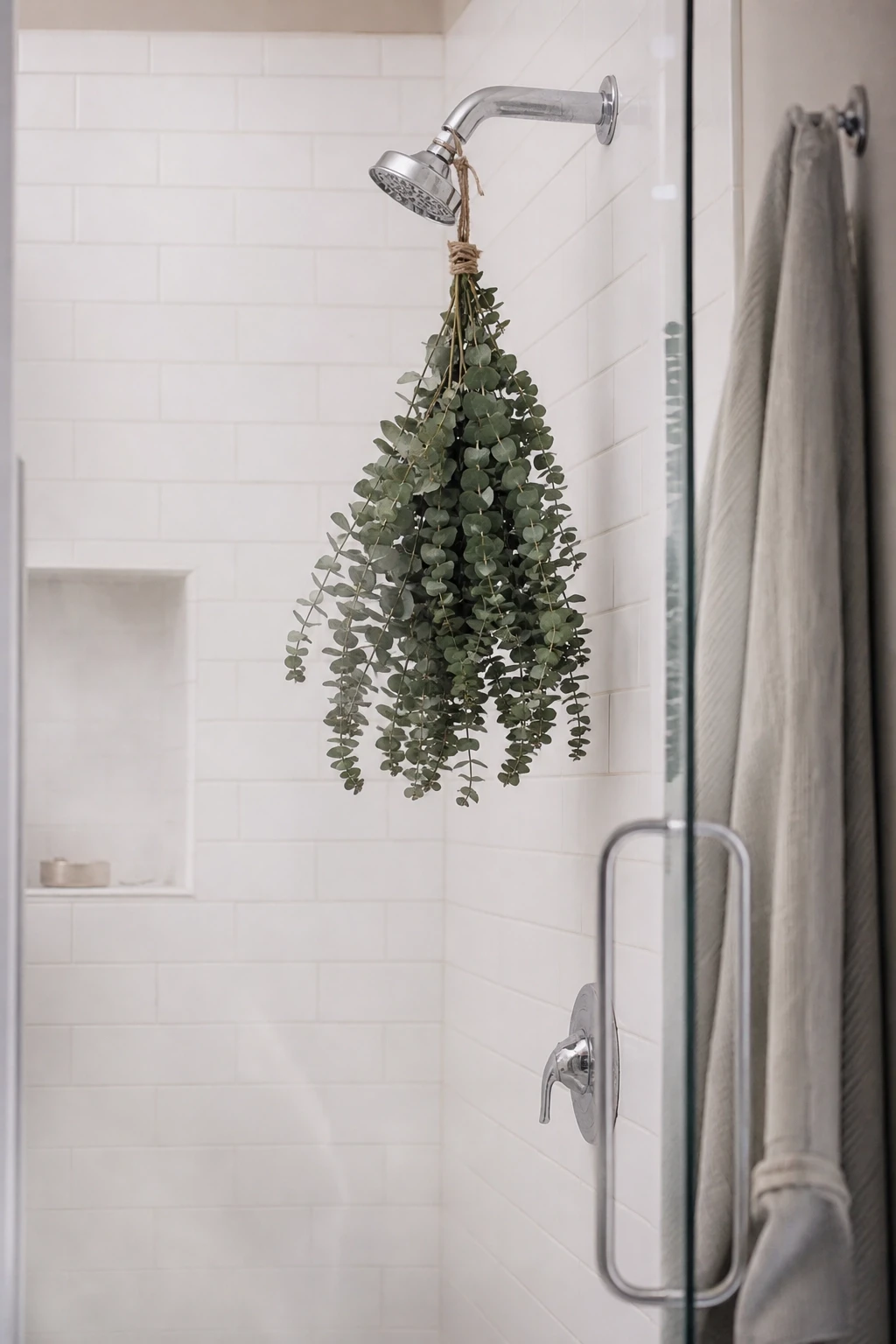
This is a genuinely beautiful hack that looks good and smells even better. Tie a bundle of fresh eucalyptus branches with a piece of twine and hang it from your showerhead so it hangs behind the water flow rather than directly in the stream. When you run a hot shower, the steam activates the natural oils in the eucalyptus leaves and the scent drifts through the entire bathroom. It lasts for two to three weeks before needing to be replaced.
Eucalyptus has a clean, slightly medicinal, spa-like quality that makes even a modest bathroom feel like a proper retreat. You can find fresh eucalyptus at most florists, farmers markets, and some grocery stores. Trader Joe’s carries it seasonally at a very affordable price. When the bundle dries out and the scent fades, the dried version still looks attractive and can be moved to a vase or shelf as a decorative element while you replace it with a fresh bundle.
Quick Hack: Add a sprig of fresh mint or lavender to the eucalyptus bundle for an extra layer of scent that makes every shower feel like a full spa experience.
11. Make Your Own Linen Spray
Linen spray is one of those things that sounds like a luxury but is actually incredibly simple and cheap to make yourself. Fill a small glass spray bottle with water, add two tablespoons of rubbing alcohol or witch hazel as a fixative, and then drop in fifteen to twenty drops of your chosen essential oil. Shake before every use and spritz lightly onto pillowcases, bed sheets, sofa cushions, curtains, and even clothing that has been hanging in the wardrobe for a while.
Lavender is the classic choice for bedrooms because it genuinely promotes relaxation and better sleep. For living areas, a blend of bergamot and a little patchouli gives a sophisticated warmth. Fresh linen spray with a bit of white musk is perfect for bathrooms. The homemade version smells far more natural than store-bought alternatives and costs a fraction of the price. A single small bottle goes a very long way when used with a light hand.
Quick Hack: Keep a small bottle on your nightstand and give your pillowcase a spritz every evening before bed. Within a week it becomes one of those tiny rituals you cannot imagine skipping.

12. Put Dryer Sheets to Work Around the House
Dryer sheets are not just for laundry. They are one of the most versatile and budget-friendly home fragrance tools most people already have in their cupboard. Tuck a fresh dryer sheet inside a throw pillow cover on your sofa and the scent releases every time someone sits down and squishes the cushion. Slide one into the inside pocket of a gym bag, a shoe, a linen closet, or behind a vent cover to let the air distribute the scent as it flows through the room.
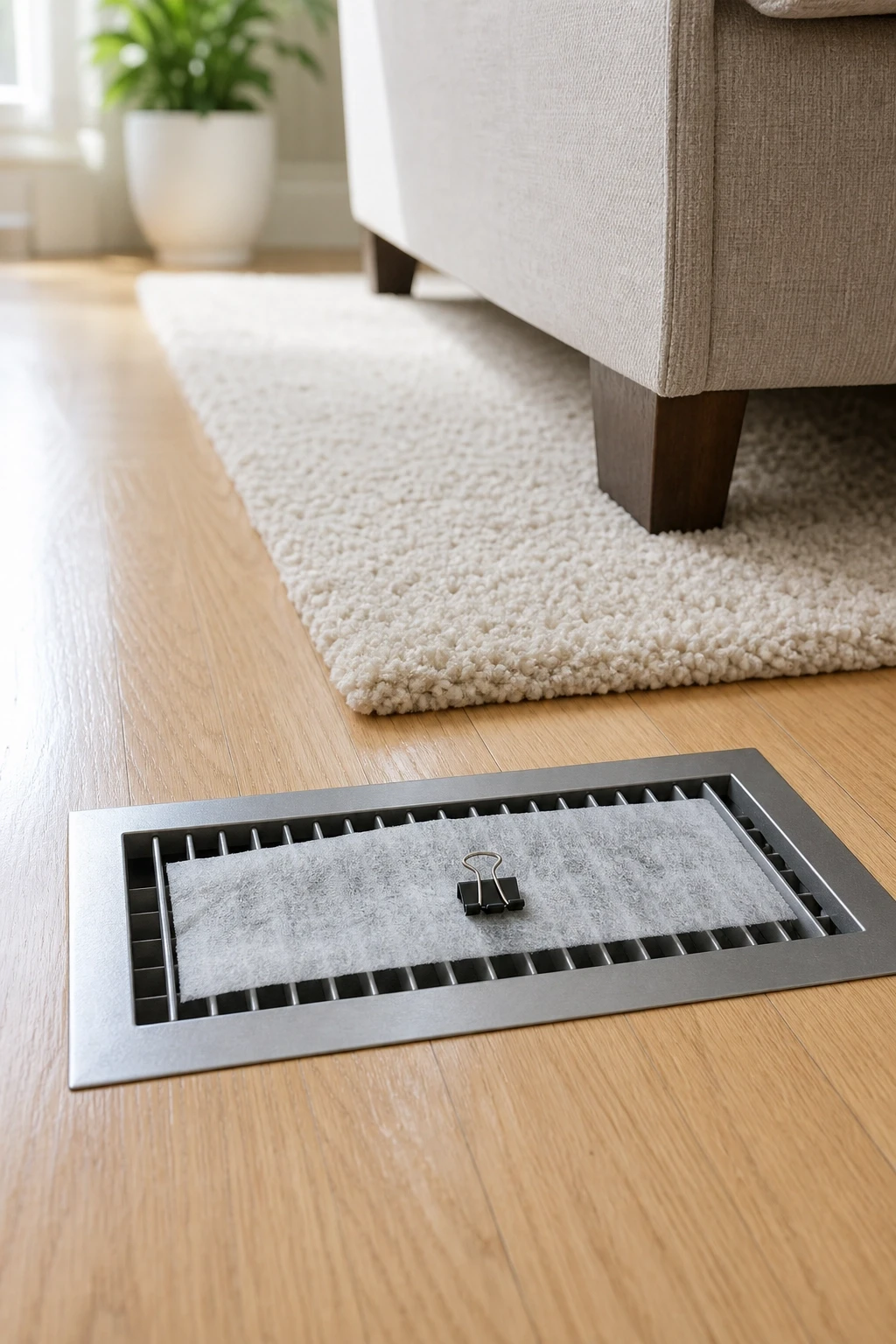
The vent cover trick in particular is surprisingly effective. Simply use a rubber band or a small clip to attach a dryer sheet to a ceiling or floor vent, and every time your heating or cooling system runs, the air carries a light, clean fragrance throughout the entire room. Change them out every few weeks when the scent fades. You can also rub a used dryer sheet along your baseboards to reduce static that attracts dust and leave behind a faint, clean scent at the same time.
Quick Hack: Place a dryer sheet flat under your bathroom trash can liner. Every time you lift the bin, a little puff of clean scent comes with it.
13. Grow Indoor Plants That Actually Freshen Air
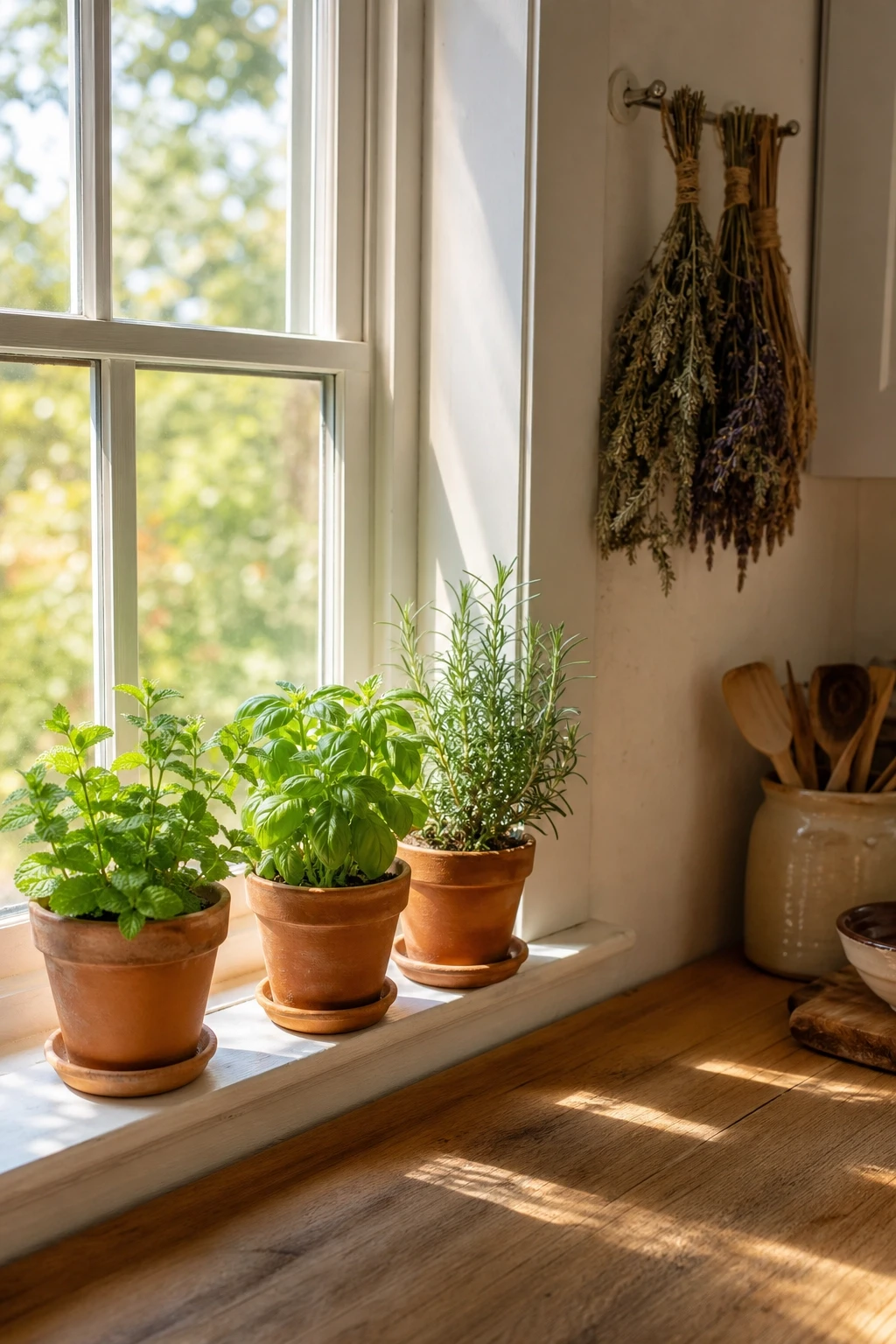
Certain houseplants do a real job of improving air quality and contributing a gentle, natural freshness to a room. Potted herbs like mint, basil, and rosemary release their scent whenever you brush against them and are practical enough to use in cooking as well. Peace lilies and English ivy are known for filtering common household pollutants. Jasmine and gardenia produce a beautiful floral fragrance, though they need plenty of light to thrive.
Place fragrant herbs on a sunny kitchen windowsill where you will brush against them regularly and where they also get the airflow from cooking. A snake plant or peace lily in the bedroom improves overnight air quality quietly and without any effort. The key is to avoid overwatering, which causes that musty, soil smell that defeats the purpose. Well-cared-for plants in terracotta pots with proper drainage stay fresh and make a room feel alive in a way that no air freshener can replicate.
Quick Hack: Keep a small pot of fresh mint on the kitchen counter and pinch a leaf whenever you walk past. The brief release of scent is intensely refreshing and costs nothing.
14. Reed Diffusers in Forgotten Corners
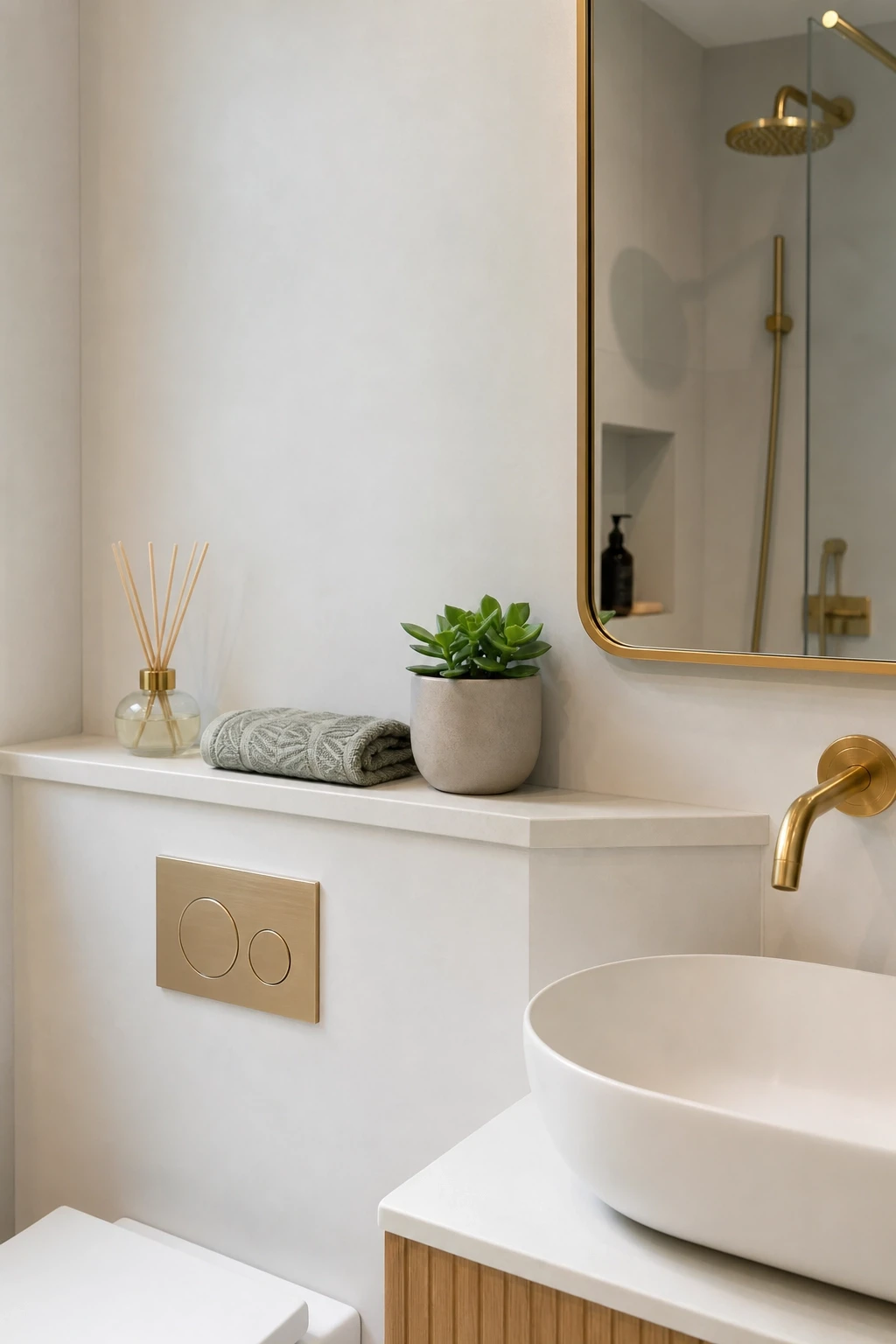
Reed diffusers are ideal for the spots in your home that need consistent, low-maintenance fragrance. Unlike candles, they work around the clock without any supervision. Unlike plug-ins, they do not require electricity and do not pump chemicals into the air. Place them in the bathroom, the hallway, the entryway, or inside a wardrobe to keep those spaces smelling consistently pleasant without you having to think about it.
The trick with reed diffusers is flipping the reeds every few days to refresh the scent output. When reeds get saturated and the oil does not seem to be carrying as far, turn them upside down and you will get a noticeable burst of fragrance. Choose lighter, cleaner scents for small enclosed spaces like bathrooms and closets, white tea, linen, or fresh cotton work well. Richer, warmer scents like sandalwood, amber, or fig work better in larger living areas where the scent has room to breathe.
Quick Hack: Place a reed diffuser on the back of the toilet tank in your bathroom. Guests will always notice how fresh the bathroom smells and will rarely know how simple the secret is.
Category Three: Make It Last
Getting your home smelling good is one thing. Keeping it that way is another. These final three hacks are about the maintenance habits and smart systems that make freshness the default state of your home rather than something you have to work hard at.
15. Establish a Weekly Smell Audit
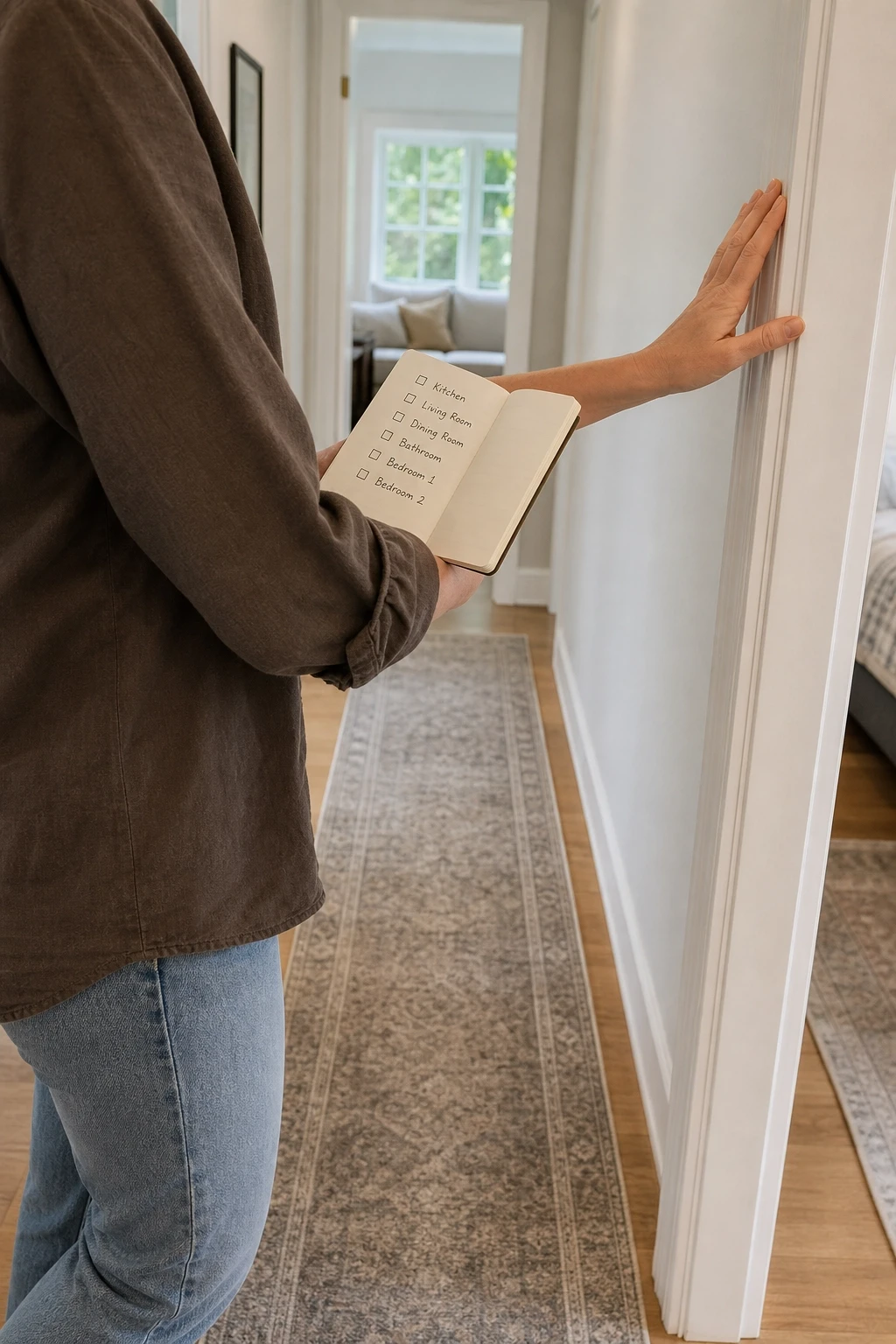
This is a habit more than a hack, and it is one of the most effective things you can build into your cleaning routine. Once a week, before you clean, do a slow walk through every room and take note of any smells that are off. Check the laundry hamper, under the kitchen sink, behind the toilet, inside the refrigerator, and anywhere your pets spend time. The goal is to catch problems before they build into something harder to deal with.
Over time you get faster at this and start to know instinctively which areas in your home need the most attention. It might take five minutes the first time but becomes a two-minute scan once you have the rhythm down. Pair it with a small cleaning task each time so it becomes a complete routine. The audit approach works because it keeps you ahead of odors instead of reacting to them after guests have already arrived or after something has had a week to really settle in.
Quick Hack: Keep a small notebook or use a note on your phone to track recurring smell hotspots in your home. After a few weeks you will see patterns that tell you exactly where to focus your prevention efforts.
16. Layer Scent Zones Room by Room
The homes that always smell amazing are not using one signature scent blasted through the whole space. They have different subtle layers in different areas that blend naturally at the transitions. Think of it as scent zoning. The entryway might have a light citrus or floral reed diffuser. The kitchen smells of coffee and clean dish soap. The living room has a candle or diffuser with something warmer, like amber or sandalwood. The bedroom is the lightest of all, maybe just a linen spray on the pillow.
The trick is keeping each scent subtle enough that they do not compete aggressively at the doorways between rooms. If every room is running a full-strength plug-in, the whole house smells confusing and overwhelming. Less is more. Choose scents that are in the same family so they blend at transitions rather than clashing. Warm scents with other warm scents, fresh scents with other fresh ones. The result is a home that feels cohesive and pleasant in every corner rather than smelling like a candle store.
Quick Hack: Write down the scent you use in each room so you can stay consistent and make sure you are replacing like for like when you run out.

17. Create a Fresh Linen Habit
Bedding is one of the most significant contributors to how your bedroom and by extension your whole home smells. We spend a third of our lives in bed and sheets absorb sweat, skin cells, and body oils overnight. Changing your sheets weekly and washing them with a detergent you genuinely love the smell of makes the bedroom feel noticeably fresher. Add half a cup of white vinegar to the rinse cycle to strip any residue that might be making your sheets smell flat after a few washes.
Beyond the bed, keep your bath towels on a proper towel rack where they can fully air dry between uses rather than balling them up or folding them while still damp. Damp towels left folded are one of the fastest ways to grow mildew smell. Wash them every three to four uses. Store spare linen in a drawer or shelf with a sachet of dried lavender or cedar blocks so everything coming out of the cupboard smells fresh before you even put it on the bed.
Quick Hack: Switch your laundry detergent to one with a scent you really love and treat it like a treat rather than a chore. When laundry smells great, the entire bedroom does too.

Wrapping It Up
A home that always smells good is not about buying the most expensive candles or running every air freshener in every room. It is about building a few smart habits, dealing with odor sources before they become problems, and then layering in scent thoughtfully and with intention. The difference between a home that smells stale and one that smells genuinely inviting usually comes down to three or four consistent things done regularly.
Start with the elimination hacks. Open the windows, deal with the trash, clean the surfaces nobody thinks to clean. Once that foundation is solid, adding scent feels effortless because there is nothing fighting against it. From there, find the two or three scent-layering ideas in this list that suit your lifestyle and your home, and stick with them.
You do not have to do all seventeen of these at once. Pick the ones that feel most doable right now, build the habit, and then add more as they become second nature. Give it a few weeks and you will start to notice that guests mention how good your home smells, not because you did anything dramatic, but because the small, consistent things finally added up.
Frequently Asked Questions
What is the fastest way to make my house smell good before guests arrive?
The quickest combination is opening all the windows for ten minutes while you simmer a pot of citrus slices, cinnamon sticks, and a splash of vanilla extract on the stove. Light a candle in the main living area and give your sofa cushions a light spritz of linen spray. The whole process takes about fifteen minutes and the house smells completely different.
Why does my house still smell bad even after I clean it?
The most common culprit is soft surfaces that rarely get cleaned, including curtains, upholstered furniture, carpets, and mattresses. Another frequent issue is the washing machine itself or the garbage disposal. If you are cleaning counters and floors but skipping these areas, odors will keep building up in the fabric and coming back no matter how often you mop.
Are essential oils safe to use around pets?
Some essential oils are safe for humans but toxic to animals. Cats in particular are very sensitive to oils like tea tree, eucalyptus, peppermint, and citrus. If you have cats, stick to lavender used in a well-ventilated room and keep diffusers out of spaces where your cat sleeps or spends a lot of time. Always check with your vet before using essential oils consistently in a home with pets.
How do I get rid of pet smell in my house for good?
Eliminating pet smell requires a consistent multi-step approach. Wash your pet’s bedding weekly, vacuum soft furniture and carpets with a pet-specific attachment, clean hard floors with a pet-safe enzymatic cleaner, and run an air purifier with a HEPA filter in rooms where your pet spends the most time. Grooming your pet regularly also dramatically reduces the amount of dander and odor that gets released into the air.
How long do reed diffusers last?
A standard 100ml reed diffuser typically lasts between one and three months depending on the number of reeds you use, the ambient temperature, and how often you flip the reeds. More reeds and higher temperatures mean faster evaporation and stronger scent but a shorter lifespan. Start with fewer reeds in a small room and add more if the scent is too faint rather than starting at full capacity.
Can I make my house smell good without using any products at all?
Yes, and this is actually one of the most effective approaches. Open windows daily, grow fragrant herbs on your windowsills, simmer citrus and spices on the stove, keep your home meticulously clean especially in the areas most people overlook, and wash your soft furnishings regularly. A genuinely clean and well-ventilated home smells good naturally without needing any purchased product to prop it up.