The Spatial Triangulation Method: 22 Bathroom Corner Decor Ideas

The bathroom corner is historically the most neglected, awkwardly utilized architectural dead zone in modern residential design. Builders typically jam a cheap, plastic trash can into the corner and completely abandon the space, treating it as an unavoidable structural flaw. This is a massive mistake. Because bathrooms are notoriously limited in square footage, every single inch of vertical real estate must be rigorously optimized. An empty corner is not just wasted space; it is a visual black hole that actively shrinks the perceived size of the entire room. However, randomly stuffing decorative clutter into a corner without a coherent strategy will instantly turn a high-end bathroom into a chaotic, stressful storage closet.
To successfully conquer the bathroom corner, you must completely abandon the concept of random decorating and adopt the rigorous architectural strategy known as Spatial Triangulation. We have completely abandoned the standard, boring list format and eliminated basic data tables to bring you a highly advanced spatial guide. These twenty-two brilliant ideas are strictly categorized by their physical geometry within the room: Floor-Level Anchoring, Eye-Level Engagement, and Vertical Ascension. By treating the corner as a three-dimensional grid and deploying specific designer techniques, checklists, and step-by-step guides within each spatial zone, you will flawlessly transform that dead space into the most striking architectural feature of your bathroom.
Zone 1: Floor-Level Anchoring
The floor of the corner is the foundational anchor point. If you do not heavily ground the bottom of the corner with substantial visual weight, any decorations you place higher up on the walls will look completely unmoored, top-heavy, and chaotic.
The Monumental Pedestal Sink
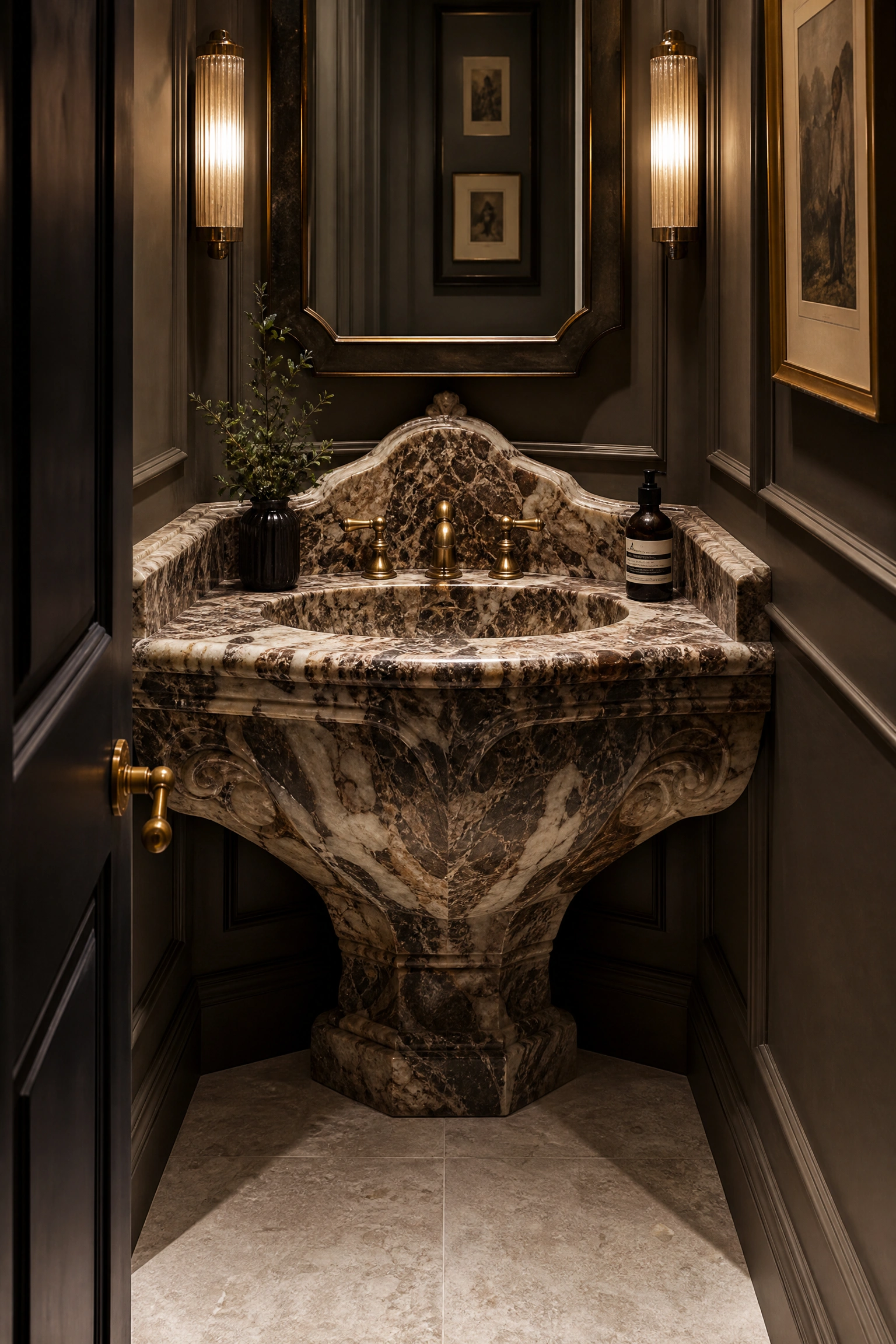
In an incredibly tight powder room where a standard vanity physically blocks the doorway, ripping out the bulky cabinetry and installing a massive, heavy carved marble corner pedestal sink is a brilliant architectural maneuver. Moving the plumbing directly into the corner violently opens up the central floor plan, instantly making the tiny room feel twice as large. The heavy, monumental stone base firmly anchors the corner, turning a cramped dead zone into a highly bespoke, fiercely elegant focal point.
Designer Insight: Never install a cheap porcelain pedestal in a corner; it looks exactly like a budget builder flip. You must use heavy, deeply veined natural stone to provide the massive architectural weight required to anchor the space.
The Woven Hamper Illusion
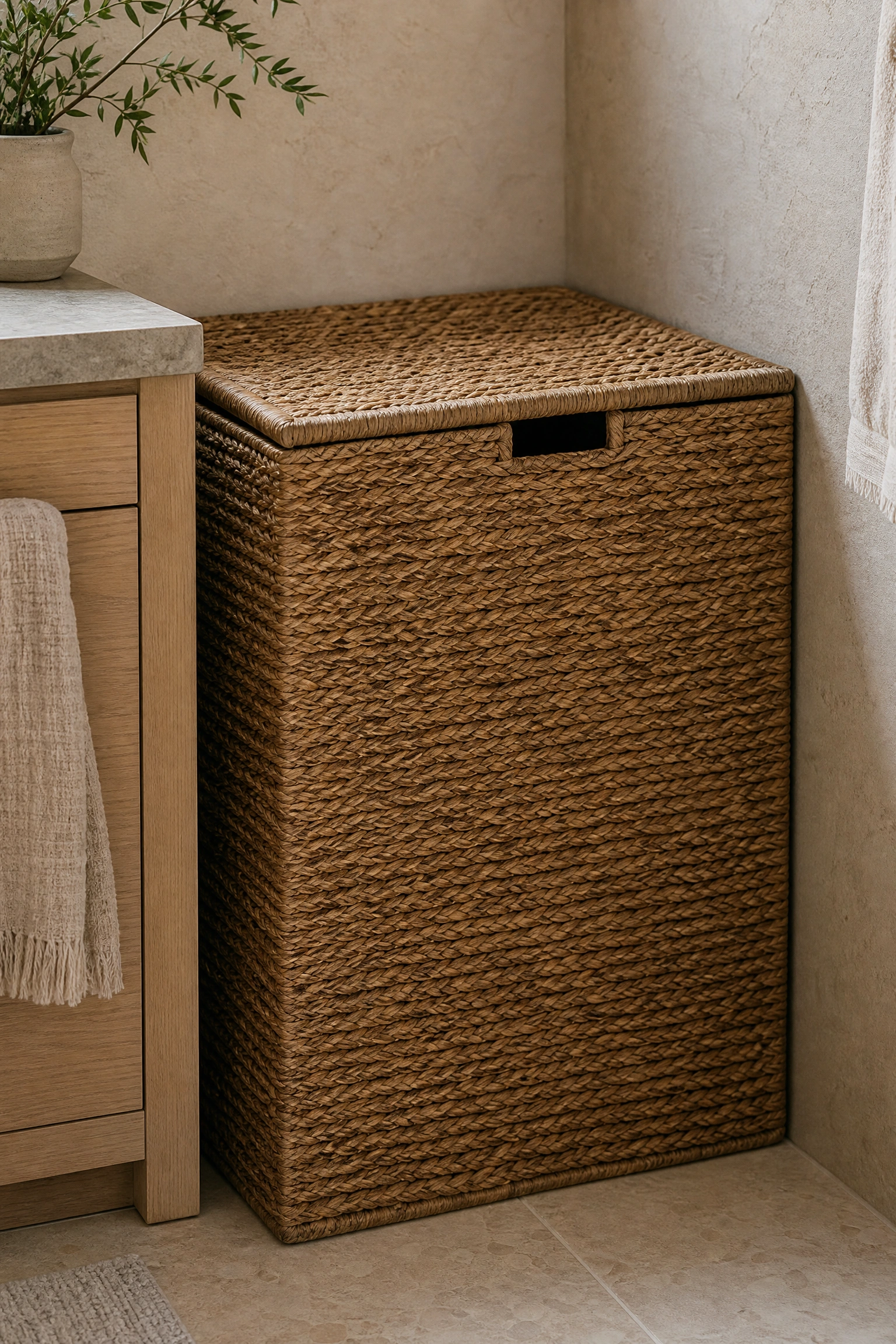
An ugly plastic laundry basket sitting in the middle of the bathroom completely destroys any luxury aesthetic. You must upgrade to a massive, highly structured woven seagrass or heavy rattan hamper specifically designed with a perfect ninety-degree corner back. This bespoke shape allows the massive basket to sit absolutely flush against both walls, completely disappearing into the corner architecture. It provides heavy, organic tactile warmth while successfully hiding chaotic dirty laundry completely out of the primary walking path.
Hamper Procurement Rules:
- You absolutely must buy a hamper with a solid, heavy lid; open hampers visually expose dirty towels, ruining the clean aesthetic.
- Ensure the hamper has a removable, washable cotton canvas liner to prevent the organic woven material from absorbing terrible moisture odors.
- Measure the exact height of your baseboards; if they are too thick, the ninety-degree hamper will not sit perfectly flush against the drywall.
The Tropical Humidity Micro-Climate
Bathrooms provide an incredible, highly specific environment: they are consistently flooded with heavy, hot steam from the shower. You can exploit this unique micro-climate by placing a massive, floor-standing tropical plant directly in a sunlit corner. A towering Ficus Lyrata or a massive Monstera Deliciosa thrives aggressively in high humidity. The massive, dark green organic leaves completely soften the harsh, cold ninety-degree drywall angle, injecting vital, living energy into a room typically dominated by cold stone and sterile porcelain.
Executing Bathroom Greenery:
- Verify the corner receives actual sunlight; placing a living tropical plant in a windowless corner is a guaranteed death sentence.
- Elevate the heavy ceramic planter on a short wooden stool to protect the bottom of the plant from cold, radiant floor tiles.
- Wipe the massive leaves weekly, as sticky bathroom hairspray and aerosol deodorants will aggressively clog the plant’s pores.

The Heavy Teak Shower Bench
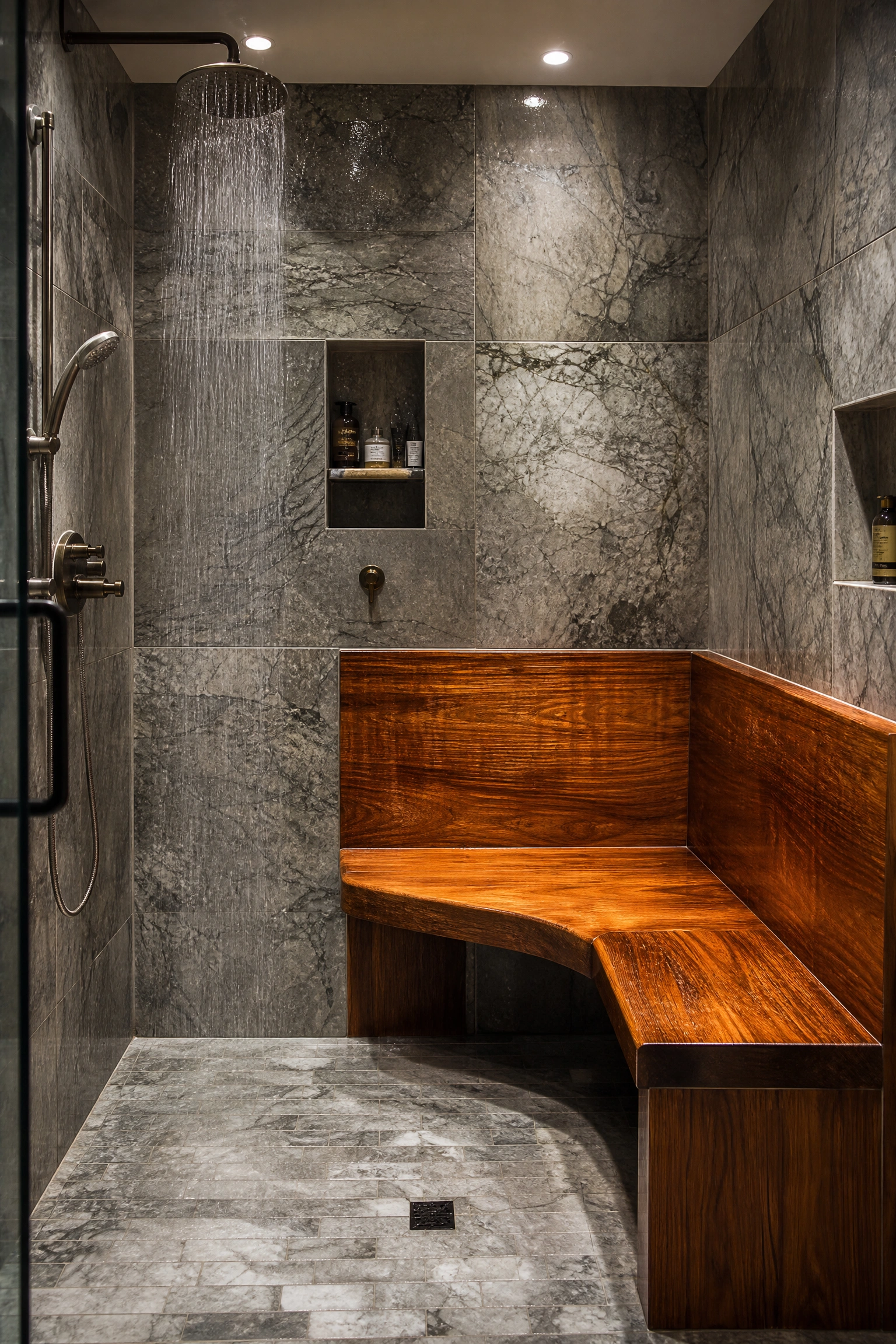
If your corner exists directly inside a massive walk-in shower, leaving that floor space empty is a massive missed opportunity for high-end spa luxury. You must install a heavy, solid Burmese teak corner bench. Teak is incredibly dense and naturally packed with oils that completely repel heavy water and prevent black mold. The heavy wooden bench provides a highly functional shaving station while introducing massive, rich amber warmth that violently contrasts against cold, wet marble shower tiles.
Maintenance Warning: Even premium teak will eventually turn a dull, silvery grey if completely ignored. You must aggressively scrub the bench with a stiff bristle brush and reapply heavy teak oil every six months to maintain the fiery amber color.
The Architectural Vanity Chair
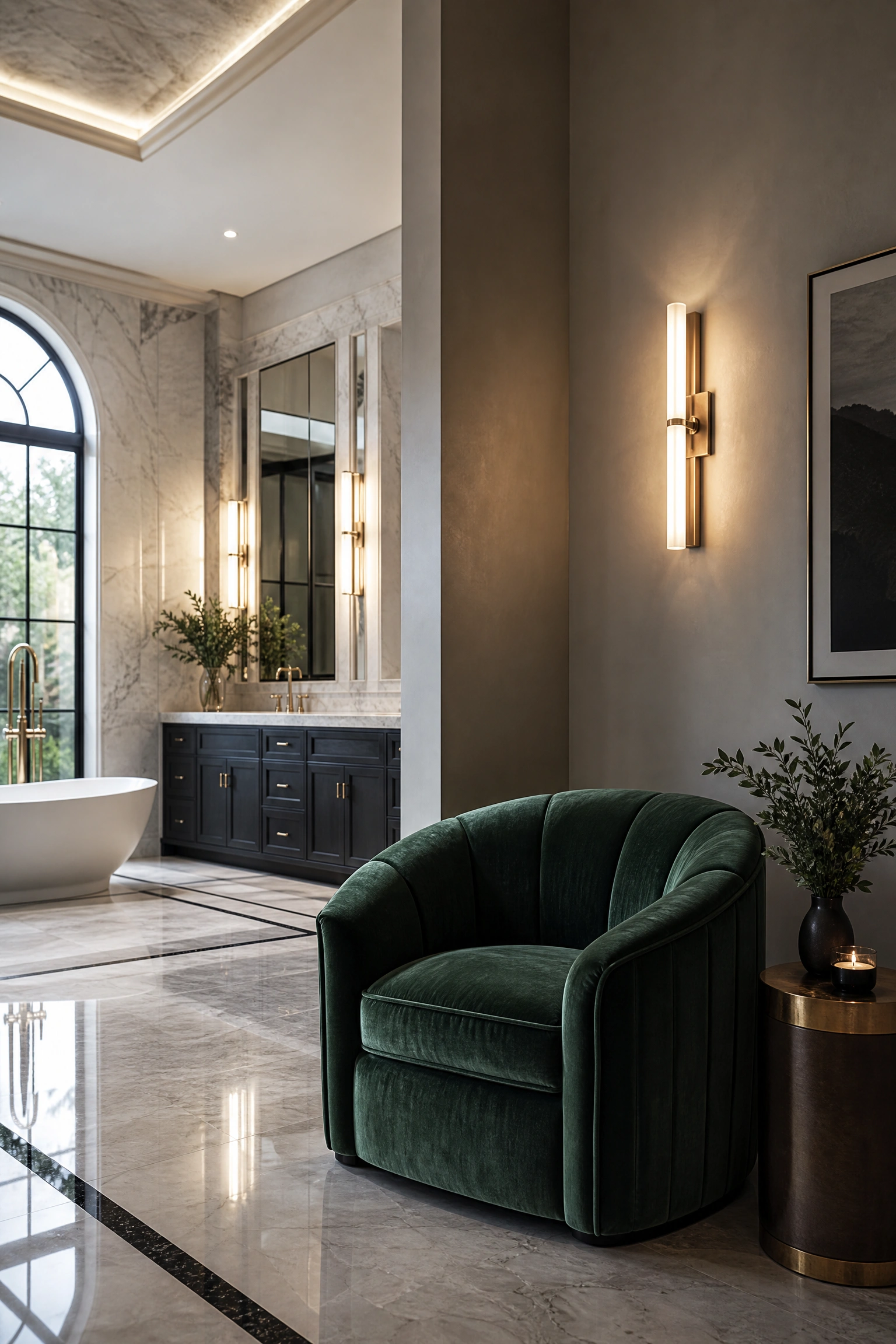
In massive master bathrooms, a huge empty corner can make the room feel terrifyingly cavernous and echoing. You must anchor the space by placing a highly sculptural, incredibly structural vanity chair in the corner. Do not use a cheap, flimsy stool. Utilize a heavy, curved barrel chair upholstered in high-performance, water-resistant velvet. This creates an immediate ‘dressing room’ aesthetic, providing a highly comfortable, luxurious place to sit while applying lotion or putting on expensive shoes.
Design Q&A: Chair Placement
Question: Will a velvet chair grow mold in a bathroom? Answer: Yes, if the bathroom lacks proper ventilation. You absolutely must run a high-powered exhaust fan during every shower and explicitly choose ‘performance’ fabrics originally engineered for outdoor patio furniture to repel heavy ambient moisture.
The Freestanding Tub Angle
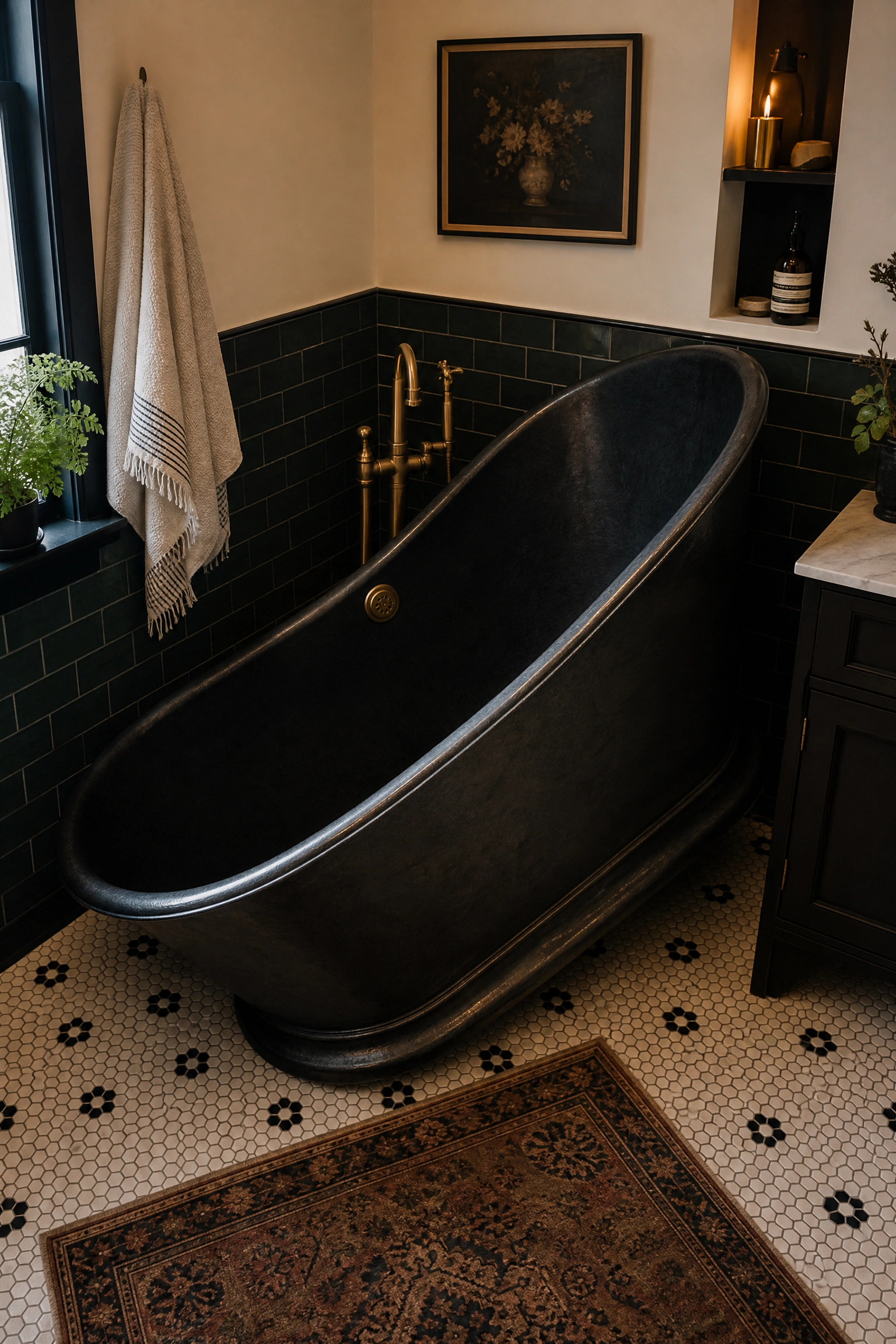
If you are executing a massive master bathroom renovation, completely abandon the idea of pushing a heavy bathtub perfectly flat against a single wall. Instead, violently angle a massive, freestanding cast-iron soaking tub directly into the corner at a sharp forty-five-degree angle. This aggressive placement completely breaks up the boring, square grid of the room. It creates a highly dynamic, incredibly dramatic focal point while simultaneously creating a hidden, triangular void behind the tub perfectly sized for a tall floor-mounted brass tub filler.
Tub Angling Requirements:
- You must ensure there is exactly twelve inches of physical clearance behind the angled tub so you can reach back there with a mop to clean the dust.
- The floor joists must be heavily reinforced directly under the corner, as a cast-iron tub filled with water weighs nearly a thousand pounds.
- Install the heavy brass tub filler before dropping the massive tub into place, as plumbers cannot squeeze behind the angled iron.
The Solid Stone Plinth
To elevate simple decorative items into museum-quality exhibits, place a heavy, solid marble or concrete plinth directly on the floor in the corner. A plinth is a tall, solid architectural column. By resting a beautiful, oversized glass apothecary jar filled with expensive bath salts or a heavy, abstract iron sculpture on top of the stone plinth, you create incredible vertical drama. The heavy stone base heavily grounds the corner, while elevating the decor perfectly to waist height.
Pro Move: To prevent the massive stone plinth from scratching your expensive tile floors, you absolutely must attach heavy-duty, thick felt pads completely covering the bottom of the stone before sliding it into the corner.

Zone 2: Eye-Level Engagement
The eye-level zone is the most critical area of the corner, as this is exactly where the human eye naturally rests when walking into the room. This zone must balance heavy functionality with highly curated aesthetics.
The Floating Glass Geometry
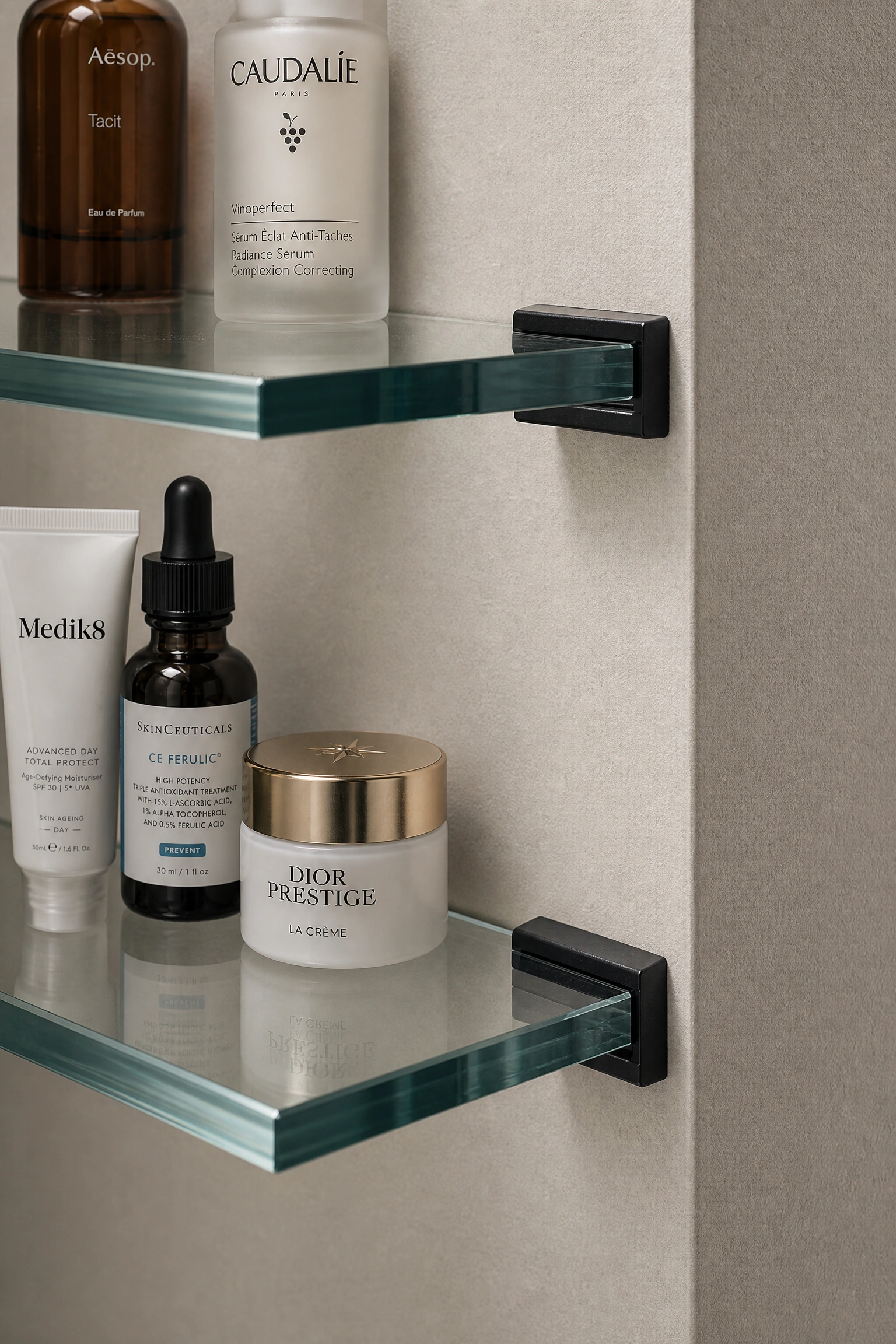
Heavy wooden corner shelves can often look extremely bulky and oppressive in a tiny bathroom. To maximize storage without adding massive visual weight, you must install thick, perfectly clear tempered glass shelves. The glass shelves violently protrude from the ninety-degree drywall angle but remain completely invisible to the eye, allowing the wall color or tile to show straight through them. This creates a highly engineered, weightless illusion, perfect for displaying expensive, beautifully branded skincare bottles without cluttering the visual space.
Glass Shelving Safety:
- You absolutely must use tempered safety glass; standard glass will violently shatter into massive, lethal shards if you drop a heavy perfume bottle on it.
- Use heavy-duty brushed brass or matte black minimalist clips bolted directly into the wooden wall studs to hold the heavy glass.
- Never overload a glass shelf with massive stacks of wet, heavy cotton towels.
The Illuminated Shaving Niche
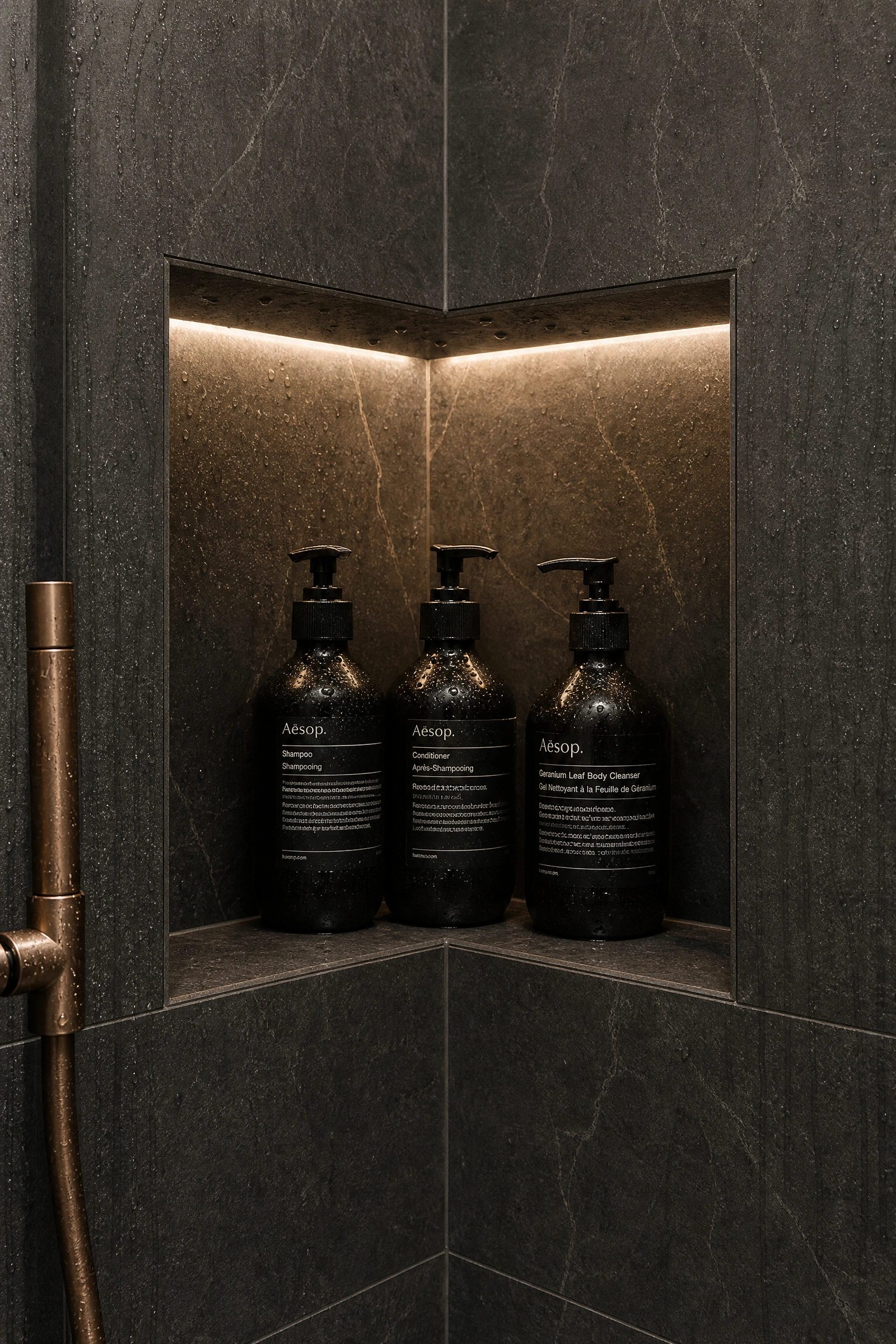
If the corner exists inside your shower, surface-mounted wire racks completely ruin the sleek, high-end aesthetic and instantly rust. You must instruct your tile setter to carve a deep, perfectly square architectural niche directly into the corner walls during the framing phase. This recessed void provides massive storage for heavy shampoo bottles without encroaching on the shower footprint. To heavily elevate the luxury, install completely waterproof, hidden LED strip lighting at the very top of the niche to brilliantly illuminate the stone interior.
Executing a Waterproof Niche:
- The bottom sill of the recessed niche must be pitched slightly downward at a one-degree angle to ensure heavy water instantly drains off into the shower pan.
- The entire niche must be heavily coated in a bright red, rubberized waterproofing membrane before a single piece of tile is installed.
- Never install the niche on an exterior wall in a freezing climate, as you will be removing crucial architectural insulation.
The Articulating Brass Mirror
In a bathroom corner located right next to a window or vanity, an incredibly functional and beautiful addition is a heavy, wall-mounted articulating magnifying mirror. You must choose a highly mechanical, heavy brass fixture with exposed joints and gears. When folded flat, it looks like a piece of high-end industrial jewelry sitting quietly in the corner. When extended, it violently pulls out over the sink, providing a highly magnified, perfectly lit reflection crucial for shaving or applying makeup.
Lighting Requirement: You must explicitly purchase an articulating mirror that is hardwired directly into the wall electricity; mirrors with ugly, dangling black power cords completely destroy the high-end architectural illusion.

The Curated Apothecary Corner
If you have a massive, empty corner on your vanity countertop, do not let it become a dumping ground for chaotic toothpaste tubes and dirty brushes. You must aggressively corral this zone by placing a heavy, mirrored brass tray perfectly into the corner. On top of the tray, strictly display highly curated, beautifully packaged items: a heavy glass jar of cotton swabs, a luxurious amber glass soap dispenser, and a small, burning luxury candle. The heavy tray acts as a strict architectural boundary, forcing the corner to remain a curated exhibit rather than a chaotic mess.
Design Q&A: Tray Materials
Question: Can I use a wooden tray on the vanity? Answer: Absolutely not. Constant splashing from the sink will violently warp the wood and cause the finish to peel within weeks. You must strictly use heavy brass, solid marble, or thick mirror glass for any tray sitting near running water.

Corner Gallery Wall Wrap
Most people hang a single piece of art directly in the center of a flat wall, completely ignoring the corners. To create massive, unexpected visual drama, you must execute a gallery wall that physically wraps around the ninety-degree corner. Hang heavily framed, vintage botanical prints or abstract black-and-white photography on both intersecting walls, extending the art completely into the deepest part of the corner. This brilliant technique violently breaks the standard rules of framing, making the bathroom feel highly curated, deeply eccentric, and highly customized.
Corner Gallery Execution:
- You must use identical, heavy black frames to heavily unify the chaotic, wrap-around layout.
- Ensure the frames on the left wall perfectly align horizontally with the frames on the right wall to maintain rigorous architectural geometry.
- Use non-glare museum glass to prevent the harsh bathroom vanity lights from completely washing out the artwork.

The Heated Towel Rail
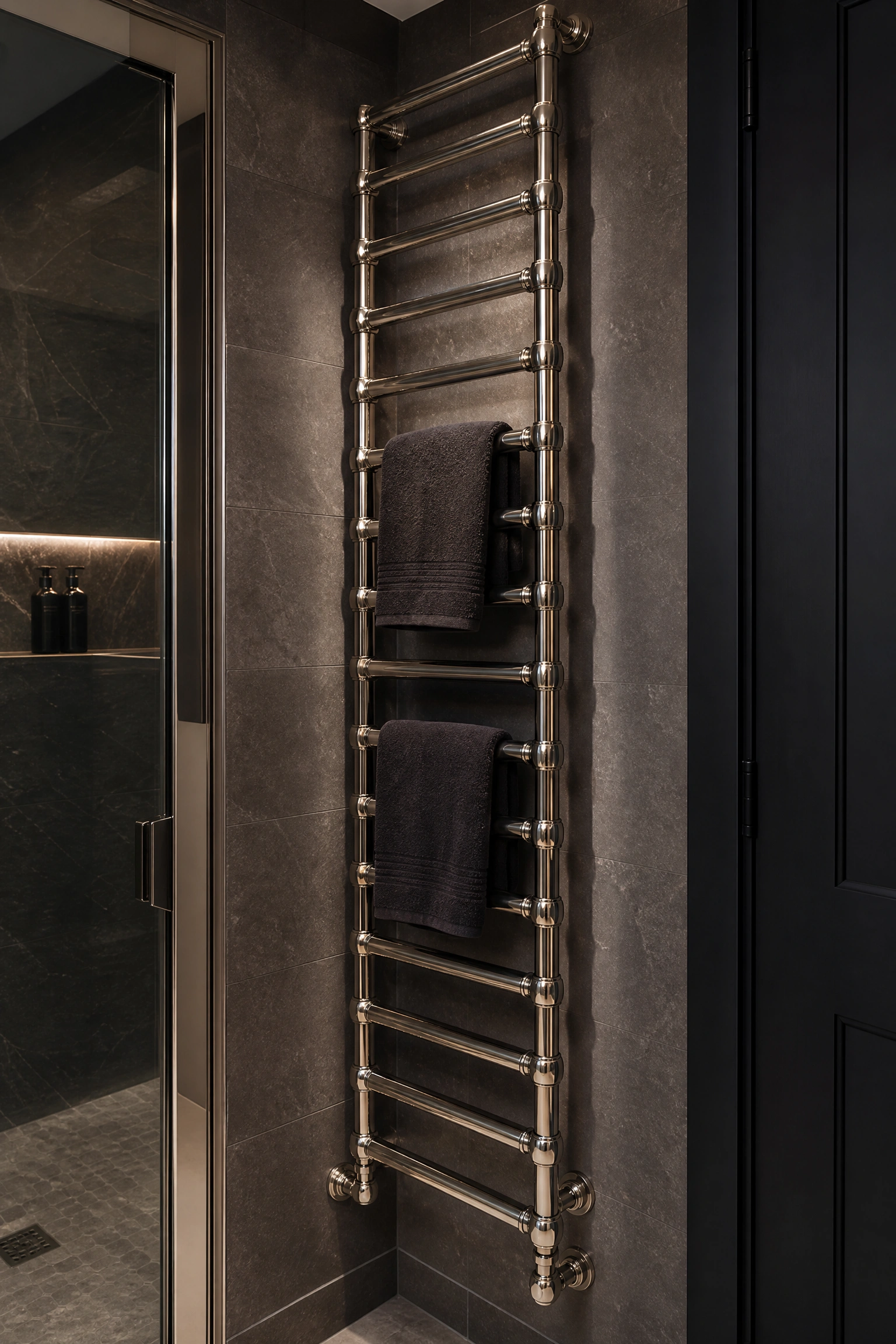
A dark, empty corner located right outside the shower door is the absolute perfect location for a massive, floor-to-ceiling heated towel rail. Instead of a boring, standard horizontal bar, install a highly structural, vertical polished nickel ladder that climbs aggressively up the corner wall. Hardwired directly into the home’s electricity, this fixture violently heats heavy cotton towels to perfection. It transforms a completely dead zone into a highly functional, five-star luxury hotel experience while simultaneously drying wet towels incredibly fast to prevent horrible mildew odors.
Safety Warning: You absolutely must hire a licensed electrician to install a hardwired towel warmer in a wet bathroom environment; executing this as a cheap DIY project near a splashing shower is a massive, lethal electrocution hazard.
The Corner Makeup Vanity
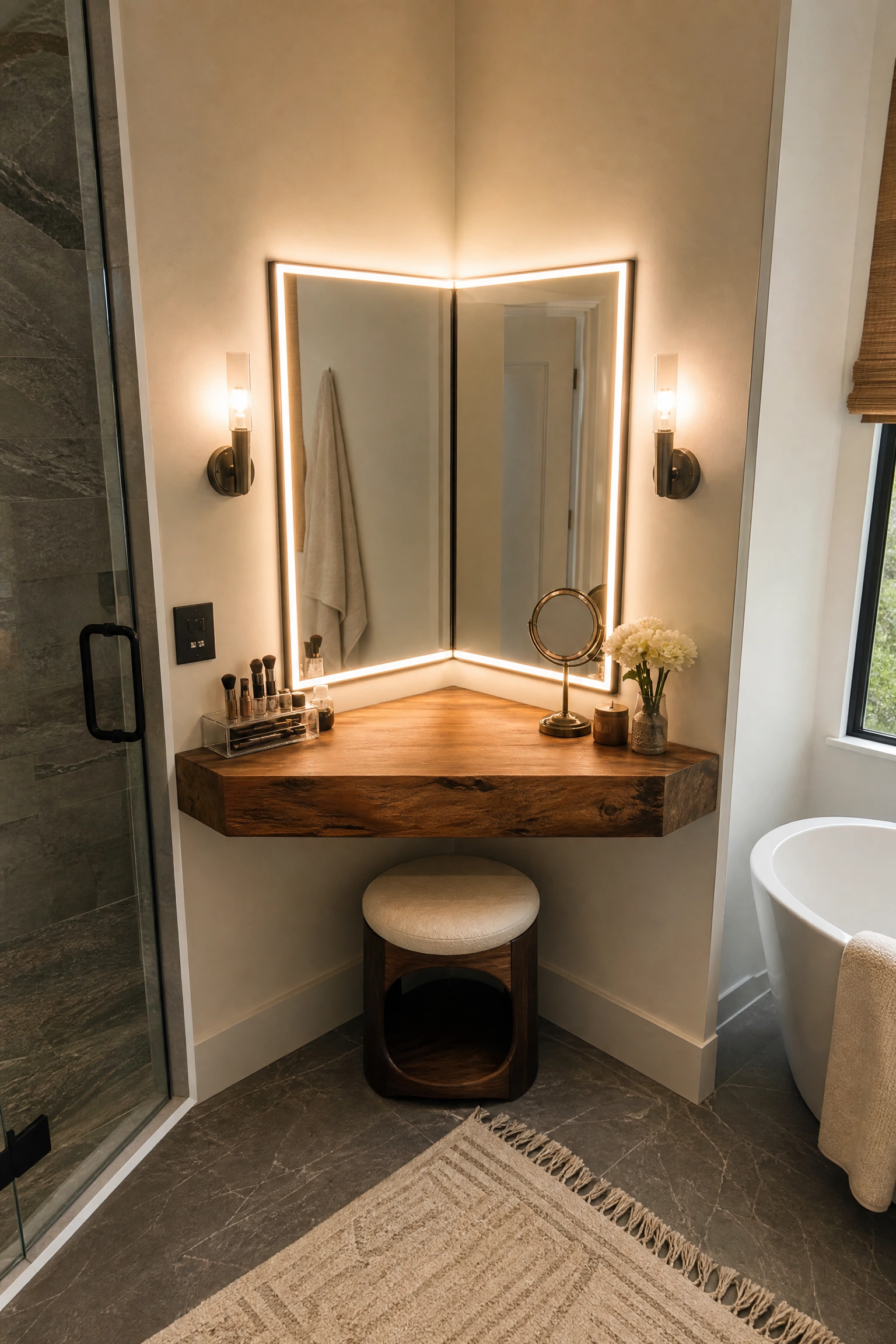
If your master bathroom features a massive, awkward ninety-degree corner between two different closet doors, you must hire a carpenter to build a custom, floating wooden triangle directly into the corner at waist height. This heavy wooden slab instantly creates a highly bespoke, dedicated makeup vanity. Pair it with a small, tucked-in stool and a brilliantly lit wall mirror. This architectural addition violently reclaims completely wasted space, turning an awkward hallway corner into a highly functional, dedicated grooming zone.
Executing the Floating Vanity:
- The floating wooden triangle must be bolted violently into the wall studs using massive heavy-duty steel L-brackets to support the weight of a human leaning on it.
- Instruct the electrician to install a dedicated electrical outlet directly underneath the wooden slab strictly for hair dryers and curling irons.
- Ensure the wooden slab is heavily sealed with a marine-grade polyurethane to prevent water damage from wet makeup sponges.
Zone 3: Vertical Ascension
The upper third of the room is almost always completely ignored. By aggressively drawing the eye upward into the highest corners, you violently stretch the perceived height of the ceiling, making the tiny bathroom feel massive.
The Dramatic Ceiling Pendant
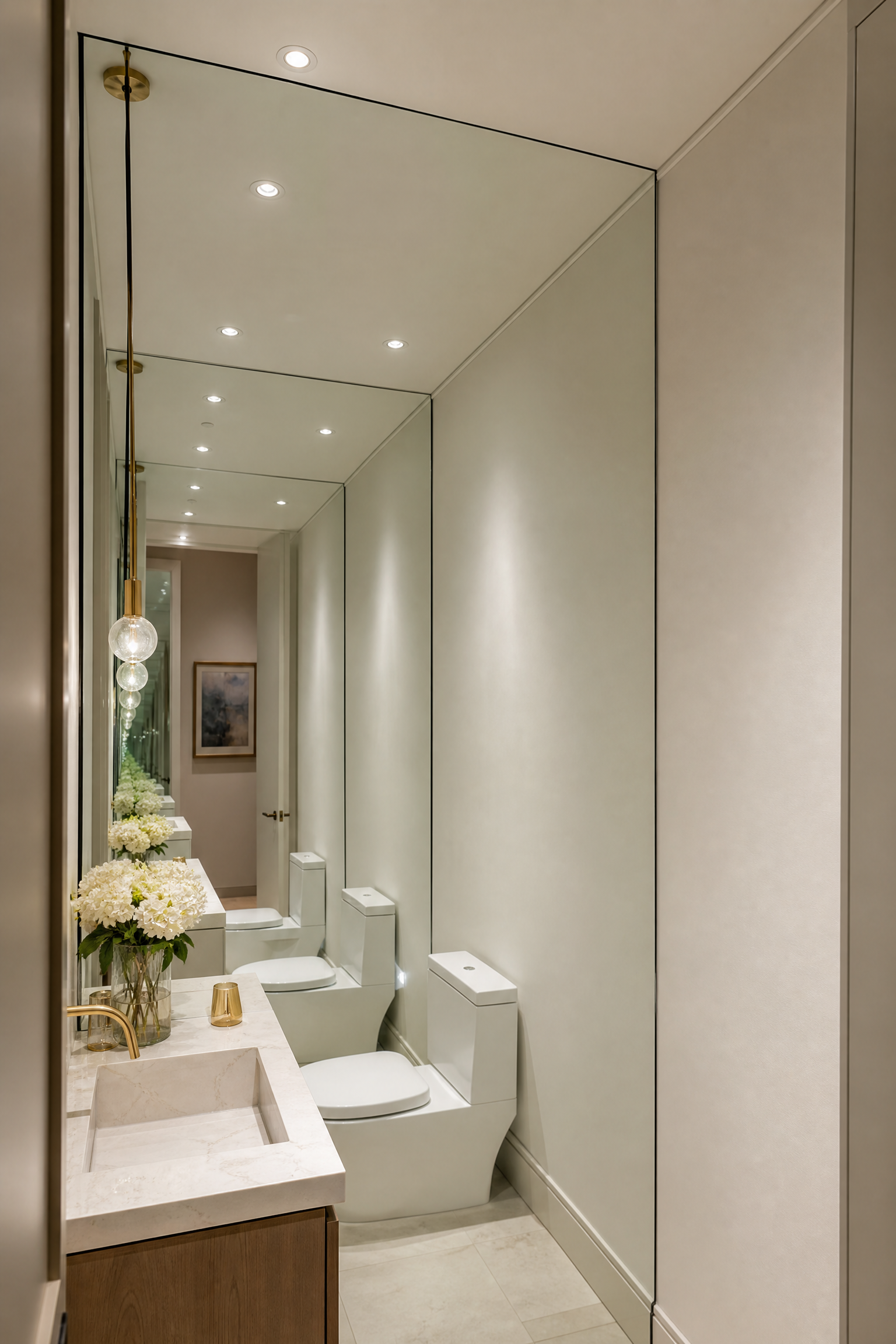
Standard bathroom lighting relies heavily on boring, flush-mounted ceiling boxes or harsh vanity sconces. To create incredible vertical drama, you must drop a massive, highly structural pendant light completely down from the ceiling directly into an empty corner. Hanging a heavy, unlacquered brass dome or a massive ribbed glass globe incredibly low in the corner violently draws the human eye upward, completely emphasizing the soaring height of the ceiling. This glowing, unexpected light source provides deep, moody ambient lighting perfect for a late-night soaking bath.
Corner Pendant Rules:
- You must hang the pendant aggressively low, hovering exactly forty inches above the floor or countertop, to maximize the dramatic visual drop.
- Ensure the pendant is completely clear of the shower door swing path, or the heavy glass door will violently shatter the expensive light fixture.
- Put the corner pendant on a completely separate, dedicated dimmer switch to control the ambient mood independently from the harsh vanity lights.

Floor-to-Ceiling Tile Wrap
The absolute biggest mistake people make in small bathrooms is stopping the wall tile halfway up the wall and painting the rest. This creates a harsh, horizontal line that violently chops the room in half and makes the ceiling feel incredibly low. In the shower corner, you must aggressively run the expensive tile completely up the wall, tightly wrapping the corner and touching the drywall ceiling. This massive, unbroken vertical column of heavy stone or glossy ceramic violently stretches the height of the room, making the corner feel incredibly luxurious and soaring.
Architectural Insight: If you have an incredibly tight budget, do not tile the entire bathroom halfway up; spend all your money tiling the specific shower corner completely to the ceiling to create a massive, unbroken vertical statement.

The Suspended Macrame Jungle
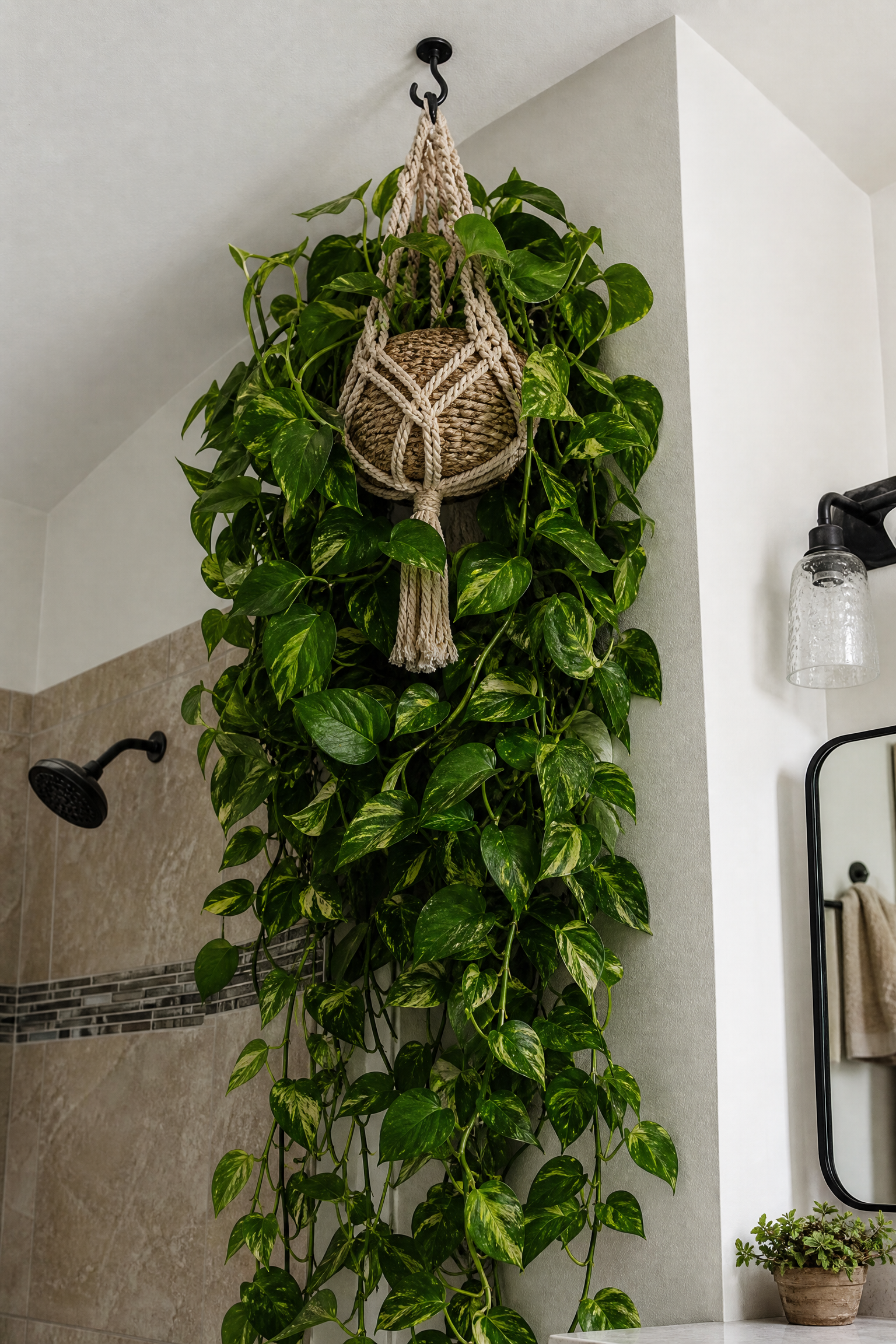
If you completely lack floor space for a heavy ceramic planter, you must exploit the upper corner air space. Install a massive, heavy-duty steel ceiling hook directly into the corner ceiling joist and hang a highly textured, hand-woven macrame planter holding a massive trailing plant, such as a Golden Pothos or English Ivy. The heavy, dark green vines will aggressively cascade down the corner, completely softening the harsh drywall angles and introducing massive organic life into the sterile upper reaches of the room.
Design Q&A: Plant Survival
Question: How do I water a plant suspended against a dry corner wall? Answer: You absolutely must keep the plant inside its cheap plastic nursery pot, heavily hidden inside the decorative macrame. You must physically take the plastic pot completely down to the sink to water it and let it drain completely before hanging it back up, or muddy water will violently streak down your clean drywall.
Custom Architectural Crown Molding
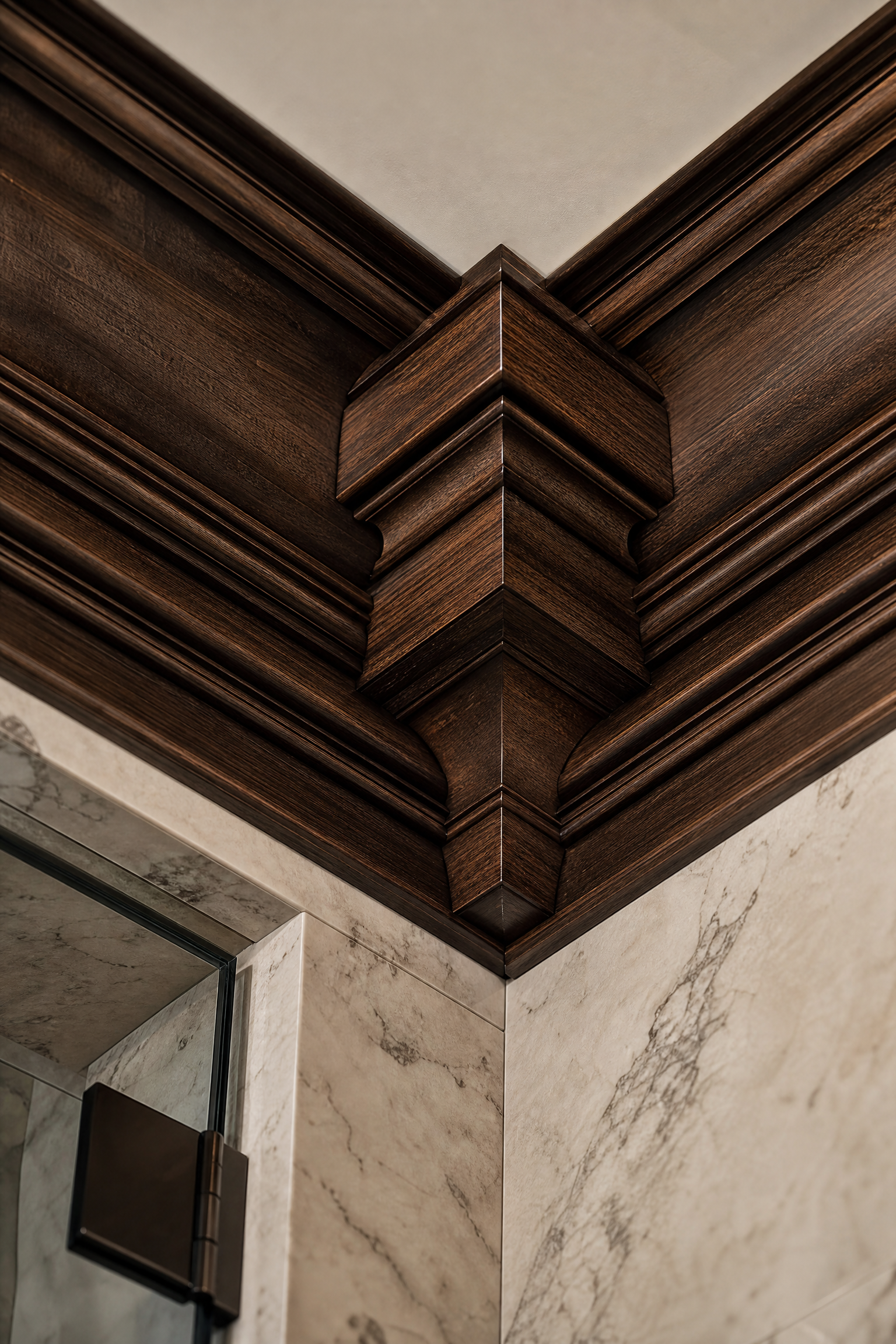
Empty, boring drywall corners at the ceiling look unfinished and incredibly cheap. To inject massive historic luxury, you must hire a highly skilled finish carpenter to install massive, heavy wooden crown molding that perfectly navigates the ninety-degree corners. To heavily elevate the drama, ask the carpenter to install ‘corner blocks’—heavy, decorative square wooden blocks placed exactly in the corners where the molding meets. These highly structural blocks create incredible architectural tension and shadow, perfectly framing the ceiling like an expensive piece of art.
Crown Molding Execution:
- You must use a highly precise laser level; bathroom ceilings are notoriously crooked, and the heavy molding will expose every single framing flaw.
- Aggressively caulk the deep corner seams before painting; any dark, open gaps will look incredibly cheap and collect terrifying amounts of dust.
- Paint the heavy crown molding in a highly reflective, bright white high-gloss finish to aggressively bounce light downward into the dark corner.
The Tall Display Ladder
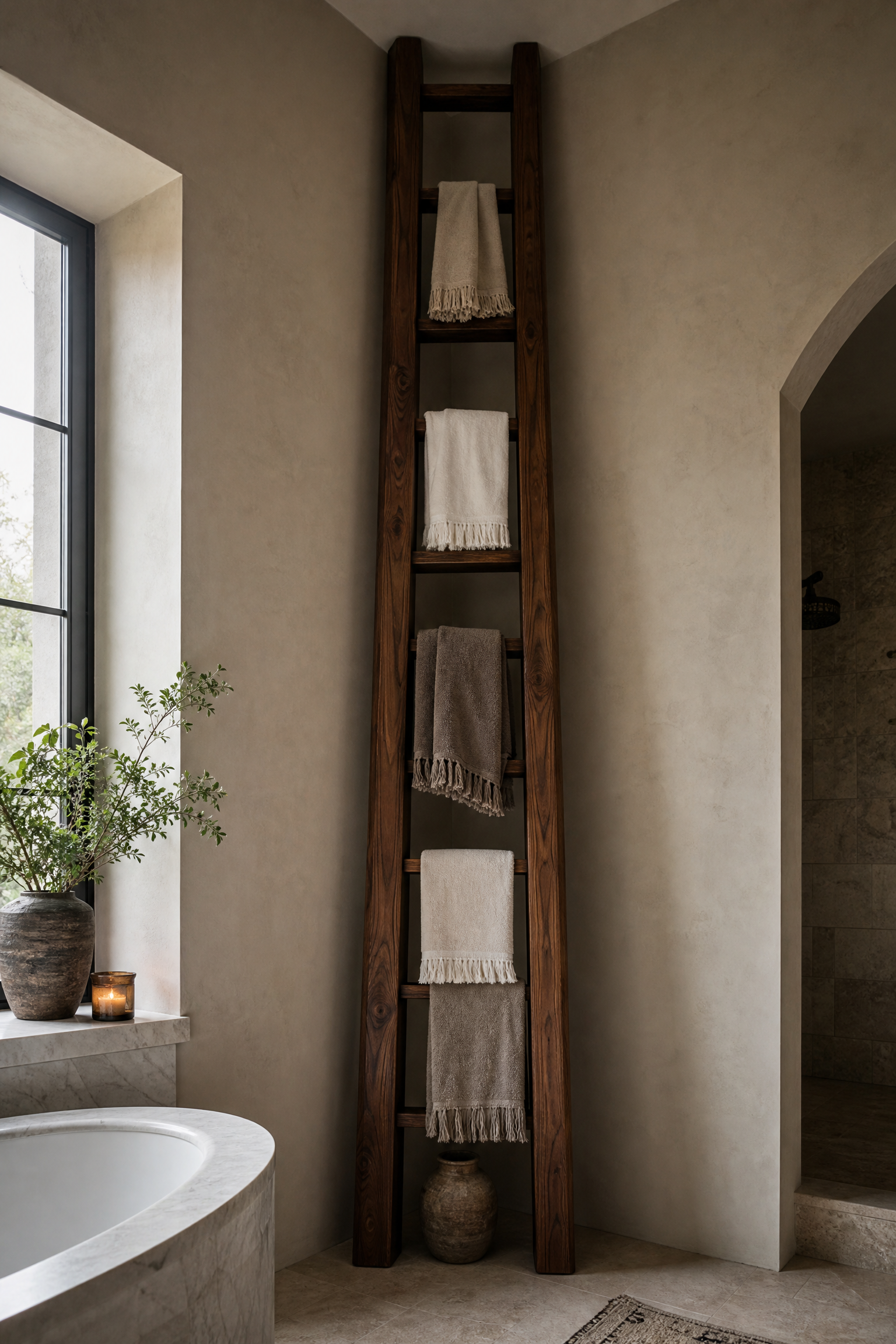
A brilliant way to aggressively utilize vertical height without drilling massive holes into the tile is to lean a tall, highly structural wooden display ladder directly into an empty corner. Use a deeply stained, heavy walnut ladder for a modern aesthetic, or a heavily distressed, raw birch ladder for a rustic vibe. The extreme vertical height draws the eye completely up to the ceiling. You can highly curate the rungs by draping them with beautiful, Turkish cotton bath towels or hanging heavy wire baskets to corral extra rolls of toilet paper.
Safety Warning: You must physically attach a small, hidden metal safety strap from the very top of the heavy wooden ladder directly into the drywall; if you slip on a wet floor and grab the ladder, it will violently crash down on top of you.
Corner Window Expansion
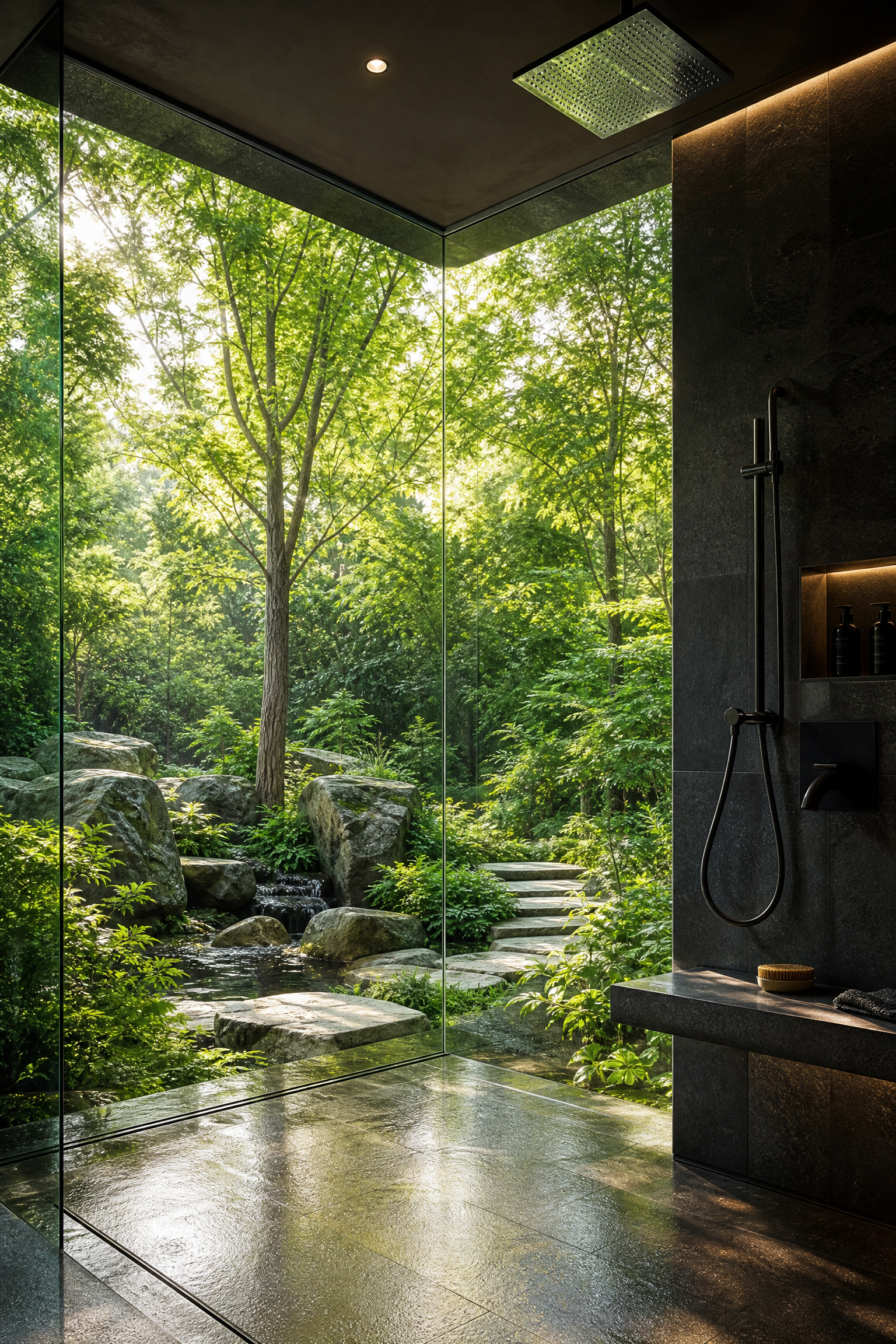
If you are undergoing a massive, structural gut renovation, the absolute ultimate corner upgrade is removing the drywall entirely and installing a massive, structural glass corner window. This requires intense engineering to remove the corner support beam and replace it with heavy steel headers. However, replacing the solid ninety-degree wall with completely seamless, floor-to-ceiling glass violently blasts the dark bathroom with massive amounts of natural sunlight. It completely erases the architectural boundary between the indoor bathroom and the outdoor landscaping.
Corner Window Realities:
- This is an incredibly expensive, highly structural architectural modification that absolutely requires an architect and structural engineer.
- You must explicitly specify heavy ‘privacy’ frosted glass or install motorized blackout shades if the massive corner window faces your neighbor’s house.
- Ensure the custom glass panels are heavily insulated, or the massive window will violently freeze the bathroom during the winter.
The High-Contrast Paint Block
If you want to create massive architectural drama on an incredibly tight budget, completely abandon expensive carpentry and use paint. You must execute a technique called ‘color blocking.’ Tape off a perfect, massive rectangle that physically wraps around the exact ninety-degree corner, extending all the way up to the ceiling. Paint this specific corner block in a deeply saturated, highly aggressive color, such as charcoal grey or navy blue, while keeping the rest of the bathroom stark white. This optical illusion violently forces the corner to recede, creating incredible visual depth and a highly modern, bespoke focal point.
Executing Corner Color Blocking:
- You absolutely must use a high-precision laser level and heavy-duty architectural painters tape to ensure the vertical lines are flawlessly straight.
- Paint the edge of the tape with the base white wall color first to completely seal the tape edge and prevent the dark paint from bleeding underneath.
- Remove the heavy tape while the dark navy paint is still slightly wet to prevent the tape from violently tearing the dry paint off the wall.

Tall Architectural Mirrors
Most bathroom mirrors are incredibly small and mounted firmly above the vanity sink. To violently expand the perceived size of a tiny bathroom, you must order a massive, custom-cut mirror that extends from the baseboard all the way up to the ceiling, completely covering one side of a tight corner. The massive, soaring sheet of highly reflective glass completely destroys the visual boundary of the tight corner. It aggressively bounces light from the vanity completely back into the room, creating an incredible optical illusion that doubles the depth of the space.
Installation Requirement: A massive, floor-to-ceiling piece of glass is incredibly heavy and highly lethal if it falls. You absolutely must hire professional glaziers to permanently glue the heavy mirror directly to the drywall using industrial mirror mastic.
Conclusion
The bathroom corner is no longer an unavoidable architectural flaw; it is a massive opportunity for high-end design execution. By strictly abandoning random, chaotic decoration and rigorously applying The Spatial Triangulation Method, you can completely conquer this awkward geometry. You must heavily ground the floor zone with monumental stone sinks or heavy teak benches, aggressively engage the eye-level zone with floating glass architecture and articulating brass lighting, and violently draw the eye upward using massive ceiling pendants and structural crown molding. When you treat the corner as a highly deliberate, three-dimensional architectural grid, you transform wasted dead space into the most deeply sophisticated, highly curated feature of your entire home.
Frequently Asked Questions
What should I put in the corner of a tiny half-bathroom?
In a highly cramped powder room, floor space is critical. You must abandon bulky cabinets and install a heavy, carved marble corner pedestal sink. This violently opens up the central floor plan. Above it, use floating glass shelves to provide weightless storage without visually crowding the tiny space.
How can I decorate a corner inside the actual shower?
You must strictly avoid cheap, rusting wire racks. The most luxurious solution is framing a deep, waterproof architectural niche directly into the corner walls during construction. If you have the floor space, installing a heavy, solid Burmese teak corner bench introduces massive spa luxury and incredible amber warmth.
Are living plants a good idea for bathroom corners?
Yes, but only if the corner receives actual natural sunlight. Bathrooms provide a highly humid tropical micro-climate perfect for massive plants like Monsteras or hanging Golden Pothos. The dark green organic leaves beautifully soften harsh, cold ninety-degree drywall angles and inject vital living energy into the sterile space.
How do I make a low bathroom ceiling feel taller?
You must aggressively utilize the ‘Vertical Ascension’ zone of the corner. Hang a massive, heavy brass pendant light incredibly low in the corner to draw the eye upward, or run your shower wall tile completely unbroken from the floor all the way to the drywall ceiling to violently stretch the perceived height.
Is it safe to use a wooden display ladder in the bathroom?
It can be highly dangerous on slippery tile floors. If you lean a heavy tall wooden ladder in the corner to hold towels, you absolutely must attach a small, hidden metal safety strap from the top of the ladder directly into the wall drywall to prevent it from violently crashing down if someone grabs it.
What is corner color-blocking?
It is a highly modern, budget-friendly optical illusion. You use tape to isolate a massive rectangle that physically wraps around the exact ninety-degree corner, then paint that block a deeply saturated color like navy blue. This violently forces the corner to visually recede, creating massive architectural depth without any carpentry.