Summer Home Decor Looks That Are Easy, Breezy, and Actually Worth Trying
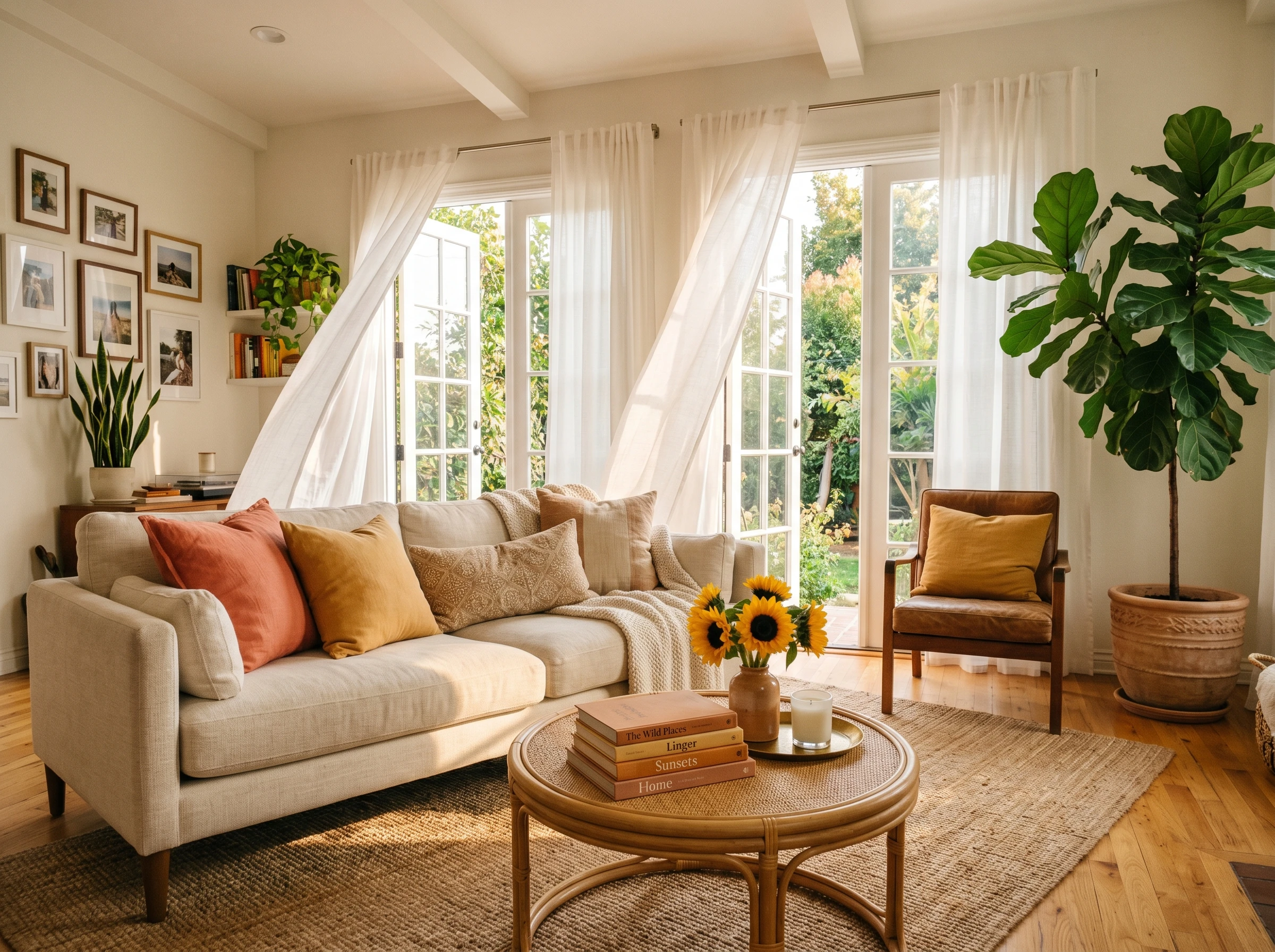
There is something about the longer days and warmer air that makes you want to look around your home and see things a little differently. You notice the heavy curtains that have been hanging all winter, the thick knit throws piled on the couch, the dark candle holders on the mantle. Summer has a way of nudging you toward something lighter, something that breathes. And the good news is that you do not need a renovation or a massive budget to make your home feel like it belongs in this season.
This article is for anyone who loves the idea of summer-ready interiors but does not want to overthink it. These are real, practical ideas that span every room in your home, from the entryway all the way out to the porch. Some of these ideas cost almost nothing. Others are small investments that pay off every single warm-weather season for years. Either way, every idea here is grounded in what actually works, not in what looks pretty on a mood board but falls apart in real life.
The ideas are grouped into themes so you can focus on whatever part of your home needs the most attention right now. Whether you are drawn to color and light, textiles and layers, nature-inspired touches, or room-by-room refreshes, there is something here for every style and every space. The goal is not perfection. The goal is a home that feels good to be in when the sun is shining and the windows are finally open again. Let’s get into it.
Color and Light
1. Swap Your Pillow Covers to a Warm, Sunny Palette
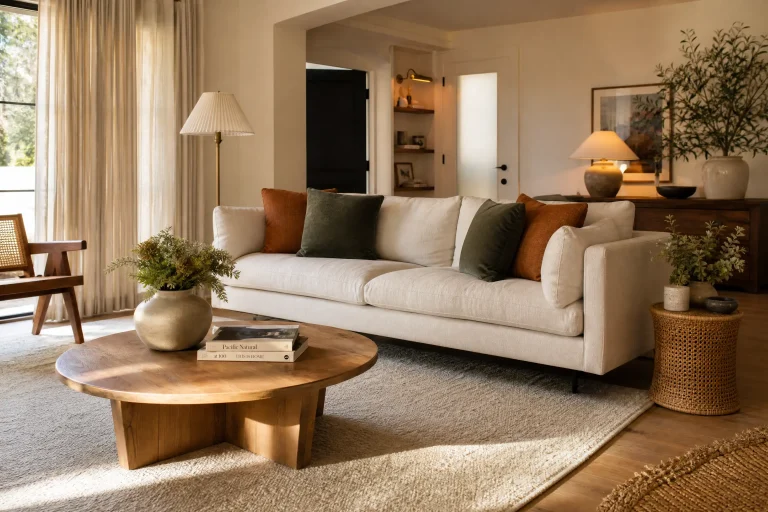
Throw pillow covers are one of the most cost-effective ways to completely shift the energy of a room, and in summer, they do a lot of heavy lifting. Swap out the deep burgundy, charcoal, and forest green covers you relied on through the colder months and bring in shades that feel warm and open. Think terracotta, mustard yellow, coral, warm white, and sandy beige. These colors catch light differently than dark tones and immediately make a space feel more alive and breathable.
You do not need to go bright or tropical to feel summery. A palette of soft lemon yellow paired with natural linen and a single deep coral accent can feel just as summery as a full citrus explosion, but with much more staying power. Shop for pillow covers separately from your inserts so you can rotate seasonally without storing bulky cushions. Most people find that changing just four to six pillow covers in a living room is enough to shift the entire atmosphere of the room.
Designer Advice: Look for pillow covers in cotton or linen blends. They feel lighter to the touch, and that sensory detail actually contributes to how ‘summer-ready’ a room feels even before you see the color.

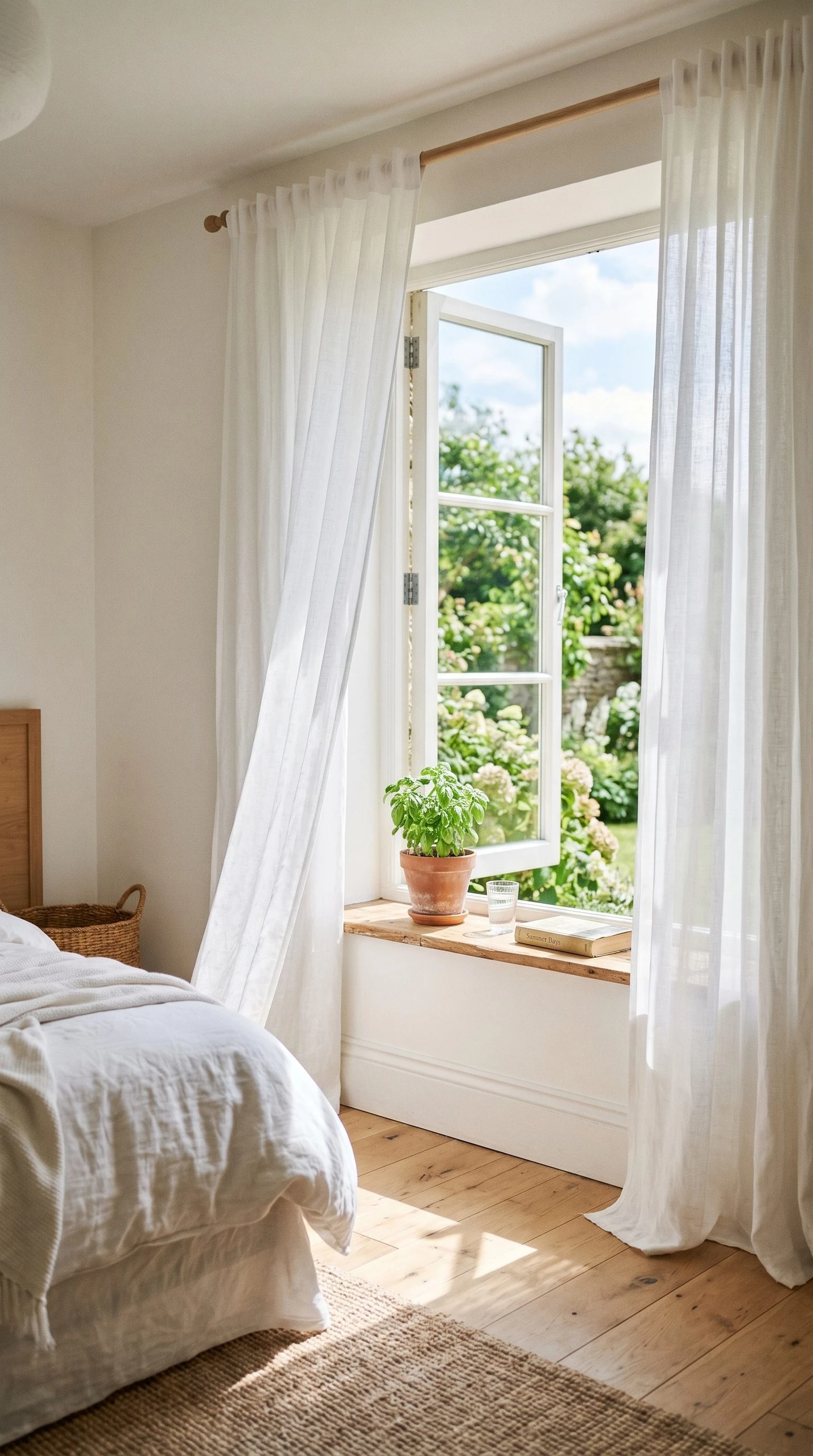
2. Hang Sheer Curtains to Let the Light Pour In
One of the fastest ways to make any room feel like summer is to deal with your window treatments. Heavy lined drapes are wonderful in winter when you want insulation and coziness, but in summer they block the light and make rooms feel smaller and heavier than they are. Replacing them with sheer white or off-white curtains is an instant upgrade. The fabric catches the breeze and billows softly, which creates that relaxed, airy feeling that everyone associates with warm-weather living.
If you cannot replace your curtains entirely, try pushing them to the far edges of the window frame so that as much glass as possible is left uncovered. You can also layer sheers behind your existing panels and let the sheers take over for summer. Hang the rod as high and as wide as possible so the window looks larger than it is. This simple trick makes rooms feel taller and more open without touching a single wall. Natural light is one of the best free decorating tools you have.
Designer Advice: Go for curtain panels that hang floor to ceiling, even if your windows are mid-height. The extra length adds drama and elegance without adding cost.
3. Add a Citrus or Botanical Print to One Wall
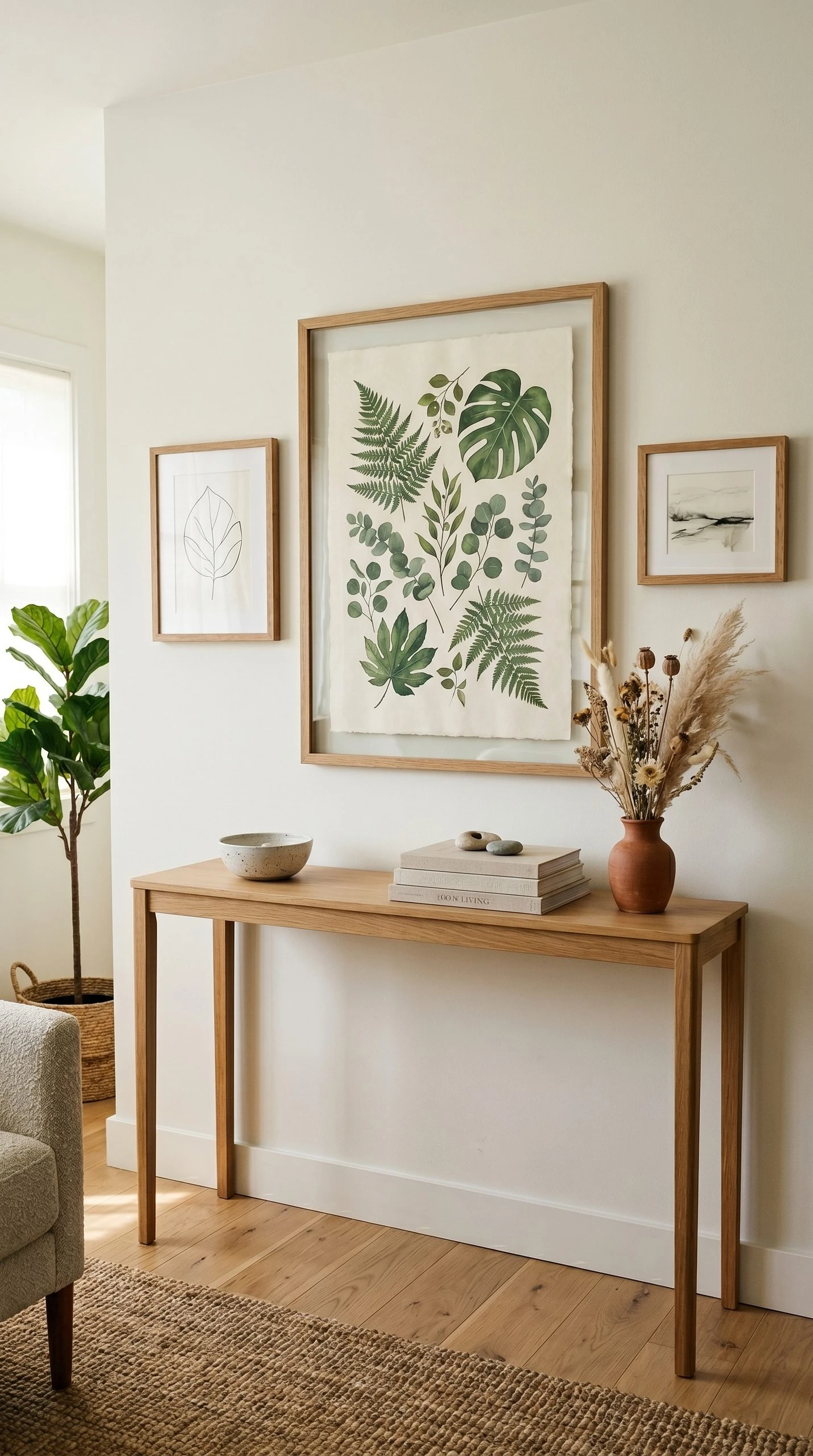
Art swaps are a genuinely underrated seasonal decorating move. Swapping out one or two framed prints can completely reframe how a room feels. For summer, look for prints that feature botanicals, citrus slices, tropical leaves, abstract watercolor landscapes, or anything that references the natural world in warm tones. You do not need expensive art. Sites like Society6, Minted, and Etsy are full of downloadable prints you can frame at home for under twenty dollars.
If you have a gallery wall, consider swapping just two or three frames for summer-appropriate prints while keeping the rest in place. This keeps the overall look cohesive while still signaling a seasonal shift. Frames in natural wood, rattan, or white work especially well with botanical art because they do not compete with the print itself. For a cohesive look, stick to one or two dominant colors across all your summer prints and repeat those tones in a nearby pillow or vase.
Designer Advice: Print size matters more than you think. One oversized botanical print above a console table has more visual impact than three small ones grouped together in a different spot.
4. Paint an Accent Wall in a Warm Soft Tone
If you are open to something slightly more committed, painting one accent wall in a summer-appropriate color can shift the whole character of a room. You do not need to go bold or dramatic. Colors like warm terracotta, dusty sage green, pale peach, or washed clay are all having a serious moment in interior design right now. They feel grounded and natural rather than loud, and they pair beautifully with the neutral furniture and light textures that summer decorating tends to lean on.
The key to making an accent wall work is choosing the right wall. It should be the one your eye naturally travels to when you enter the room, usually the wall your main sofa or bed faces. Avoid walls with too many windows, doors, or architectural interruptions. One clean, uninterrupted surface in a thoughtful color creates a backdrop that makes everything else in the room look more intentional. Paint is also one of the most affordable and reversible changes you can make to a home.
Designer Advice: Test your paint color at different times of day before committing. A warm terracotta can look peachy and soft in morning light and deep and earthy in the evening, and both are beautiful, but you want to love it around the clock.

Textiles and Layers
5. Switch to Lightweight Linen Bedding
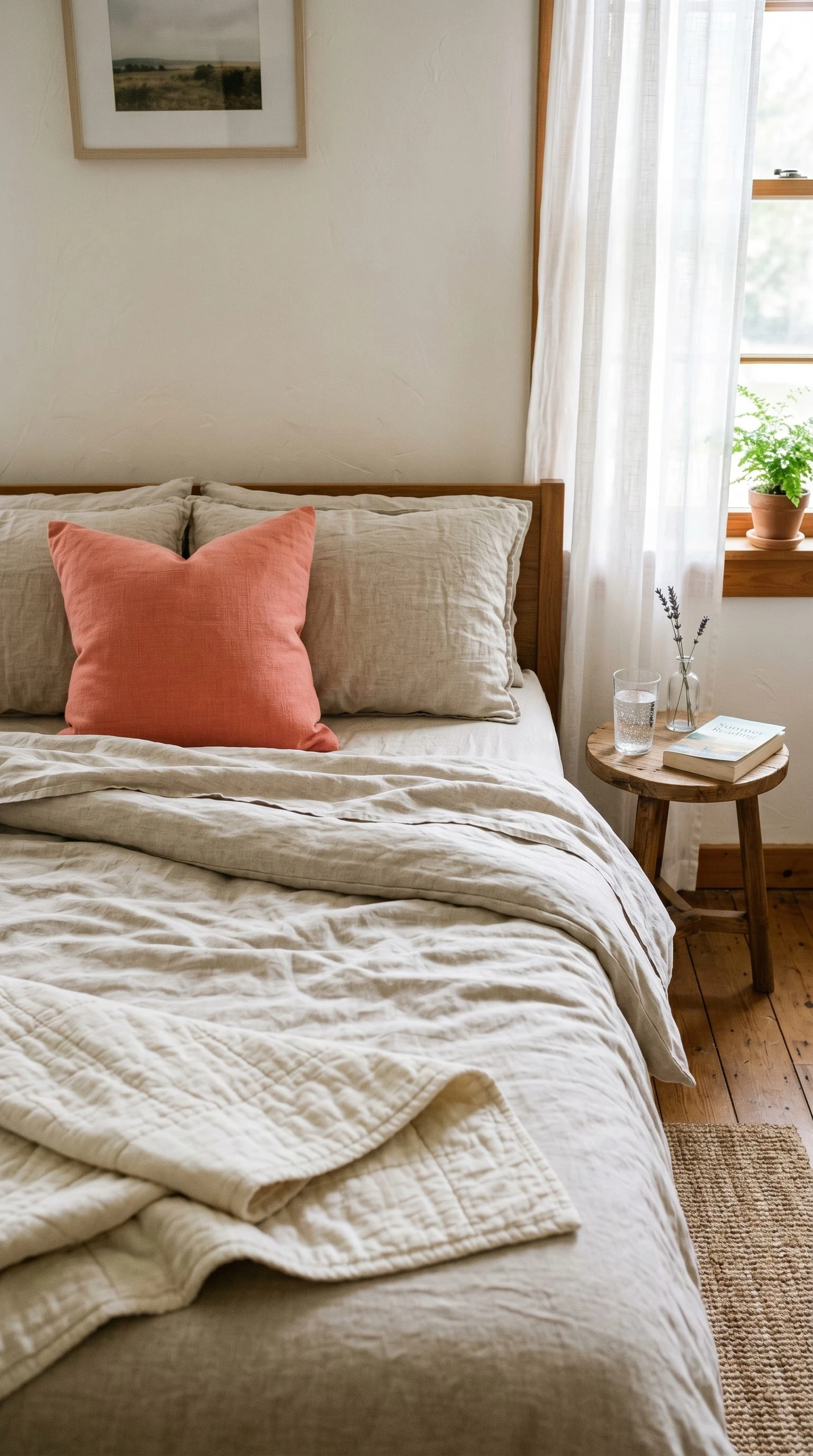
Your bedroom is where the season shift is most physically felt. Sleeping under a heavy duvet in summer is uncomfortable, and it also makes the room look heavier than it should. Switching to lightweight linen bedding is one of those changes that improves both the look and the function of the space at the same time. Linen is breathable, gets softer with every wash, and has a beautifully relaxed, slightly rumpled texture that reads as effortlessly casual, which is exactly the right energy for a summer bedroom.
Go for linen in natural tones: warm white, oatmeal, sage, dusty blue, or soft clay. These colors work with almost any bedroom palette and photograph beautifully in natural light. Layer a lighter quilt or cotton coverlet at the foot of the bed for cooler nights, but keep the main setup minimal and breathable. Fewer layers on the bed actually make it look more intentional and designed, not less. Add a couple of linen shams and a reading pillow to complete the look without adding bulk.
Designer Advice: A linen duvet cover with a plain white fitted sheet underneath is the cleanest, most foolproof combination for a summer bedroom. Keep the color story in your decorative pillows and artwork instead.
6. Bring in a Natural Fiber Area Rug
Swapping a heavy wool or synthetic rug for a natural fiber option is one of those changes that instantly makes a room feel more open and seasonal. Jute, sisal, seagrass, and bamboo rugs all have a texture that feels earthy and warm without being heavy. They reflect light differently than plush rugs and add a casual, organic quality to any space. In living rooms and dining rooms especially, a natural fiber rug anchors the space while keeping the overall look relaxed and summer-appropriate.
Natural fiber rugs are also surprisingly budget-friendly compared to their wool or hand-knotted counterparts. You can find a solid jute rug in a standard size for very reasonable prices at places like IKEA, Target, or Amazon. The texture does the work for you stylistically, so you do not need a pattern. A simple, flat-weave natural rug in a herringbone or diamond pattern adds visual interest without competing with the rest of your decor. These rugs also work well layered under a smaller, more colorful accent rug.
Designer Advice: Add a rug pad under natural fiber rugs. They can be stiff underfoot on their own, but a cushioned pad transforms the feel completely and extends the life of the rug.

7. Fold Away the Heavy Throw Blankets
This one sounds obvious, but a surprising number of people keep their chunky knit throws draped over sofas and armchairs well into summer, simply out of habit. Those thick, textured blankets are cozy and wonderful in winter, but in summer they signal the wrong season visually and make rooms feel warmer and heavier than they are. Fold them up, store them in a basket or a closet, and replace them with something lighter.
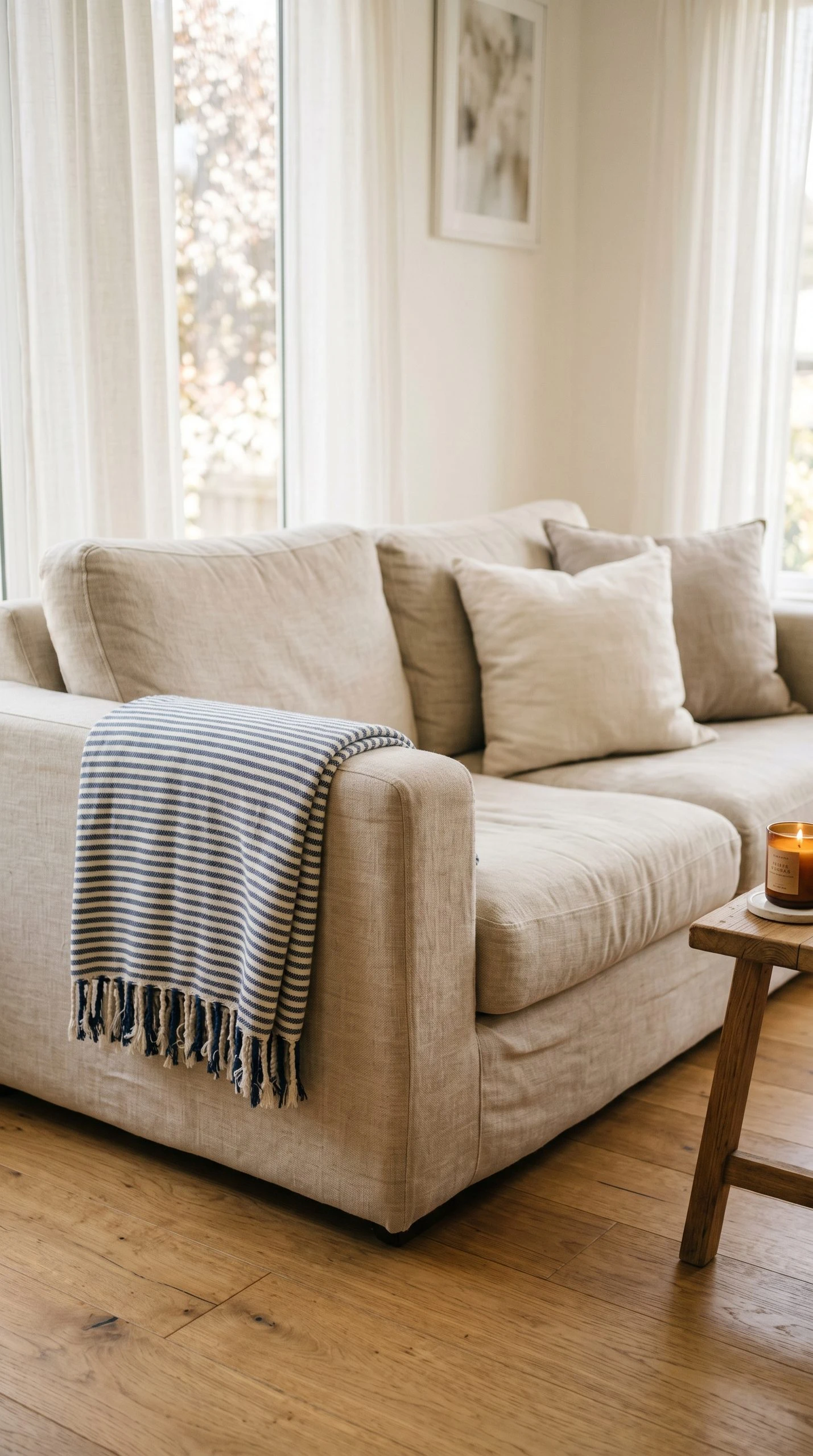
A single lightweight cotton throw in a stripe or a simple solid works perfectly for summer evenings when the air conditioning kicks in. Waffle-knit cotton, thin Indian block-print blankets, and loosely woven cotton quilts all have the right weight and texture for the warmer months. Drape one casually over the back of the sofa or fold it neatly at the end of the bed. The visual lightness makes a real difference to how the whole room reads. Keep one per room and store the rest out of sight.
Designer Advice: A striped cotton throw in blue and white or terracotta and cream does double duty as both a functional blanket and a piece of casual decor. It looks intentional rather than like an afterthought.
8. Update Your Table Runner and Placemats
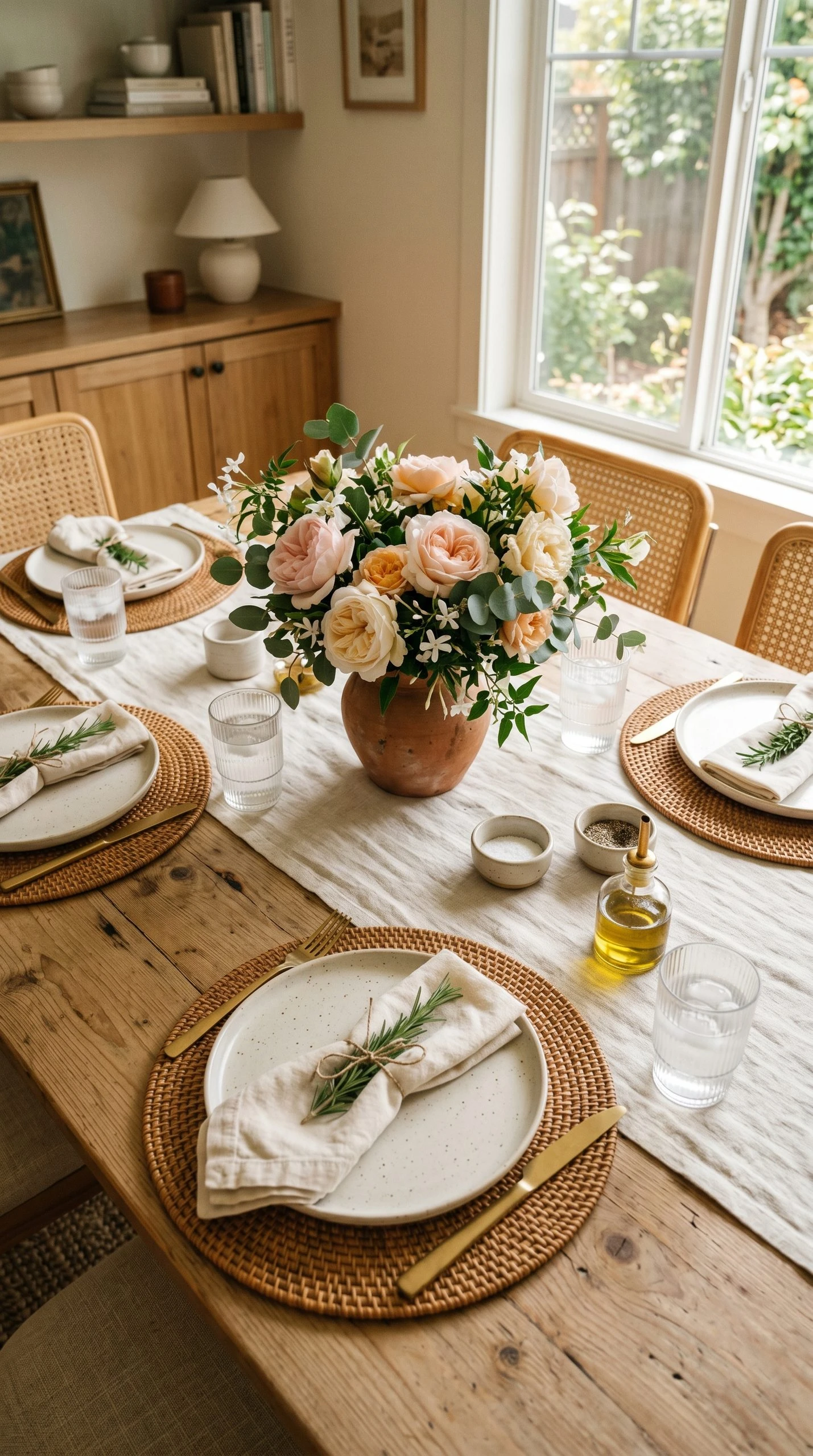
The dining table is one of the most visible surfaces in the home, and a simple update to your table linens can make the whole room feel seasonally refreshed. Swap out darker or more formal runners for something in a natural fabric like linen or cotton. Patterns that work well for summer include thin stripes, subtle checks, small floral prints, and loose botanical weaves. Keep the color palette light and warm, favoring creams, warm whites, soft greens, and sandy tones over anything too saturated or dark.
Rattan or woven placemats are another easy addition that instantly reads as summer. They are inexpensive, widely available, and add a natural texture that complements everything from ceramic plates to glassware. Pair them with simple white dinner plates and some fresh flowers in the center and you have a dining table that looks styled without any effort. For casual summer entertaining, this combination is relaxed enough for a weeknight dinner but polished enough for a weekend gathering.
Designer Advice: Keep a set of linen napkins specifically for summer. They soften beautifully in the wash and add a relaxed elegance to the table that paper napkins simply cannot replicate.
Nature Indoors
9. Fill a Vase with Fresh or Dried Flowers
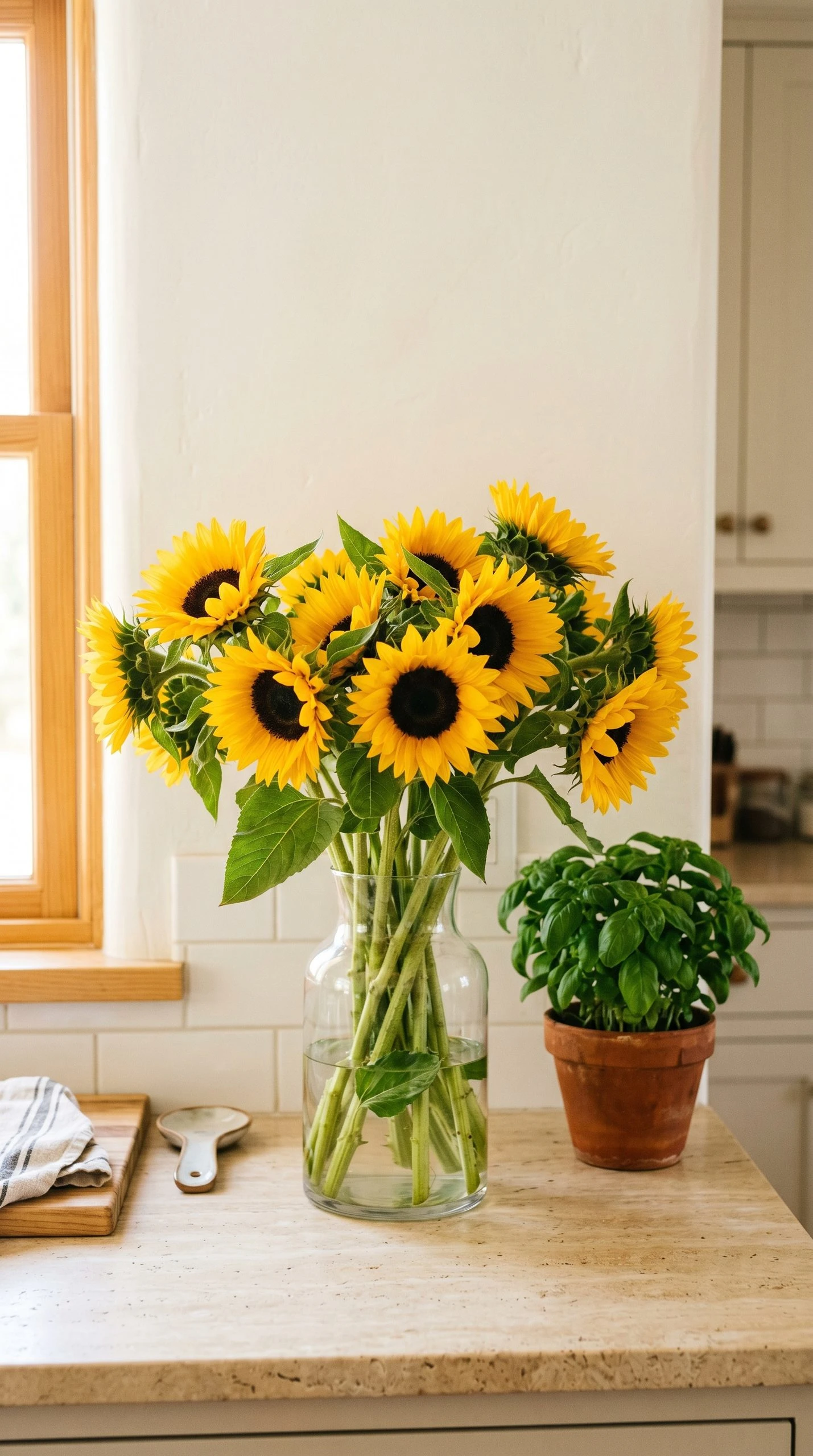
Fresh flowers are possibly the single easiest and most impactful thing you can do for your home in summer. A simple bundle of sunflowers, zinnias, dahlias, or garden roses dropped into a clear glass vase or a ceramic pitcher instantly makes a room feel alive and cared for. You do not need an elaborate arrangement. A single-variety bunch, loosely arranged so the stems fan out naturally, looks more beautiful than an over-styled formal arrangement in most home settings.
If fresh flowers are not practical for your schedule or your budget, dried flowers have had a major revival in interior design and they last for months without any maintenance. Dried pampas grass, dried lavender bundles, strawflowers, and dried citrus slices all make wonderful summer arrangements. Display them in a ceramic jug, a terracotta vase, or even a simple brown paper bag for a casual, organic look. Rotate your arrangements every few weeks to keep things feeling fresh even when the flowers themselves are not.
Designer Advice: Cut stems at an angle and change the water every two to three days to make fresh flowers last significantly longer. It takes thirty seconds and doubles the lifespan of your arrangement.
10. Group Potted Plants in Odd Numbers
Adding plants to your home is one of the most recommended decorating moves for good reason. They bring life, color, and texture to a space in a way that no manufactured decor item can fully replicate. For summer specifically, lean into plants that thrive in bright light and warmth. Pothos, snake plants, rubber trees, peace lilies, and trailing string-of-pearls all look stunning and are forgiving for people who do not have a natural green thumb.
The trick to making a plant grouping look designed rather than random is to cluster them in odd numbers and vary the heights. A grouping of three plants works better than two or four because odd numbers create visual tension and interest. Use tall plants at the back, medium-height ones in the middle, and trailing or low plants at the front. Vary your pots too: mix terracotta with ceramic, or a woven basket with a simple white pot. The contrast adds depth and keeps the group from looking too matchy.
Designer Advice: Place a large plant in an empty corner rather than adding more furniture. It fills space, adds warmth, and draws the eye upward, all without adding visual clutter.

11. Create a Windowsill Herb Garden
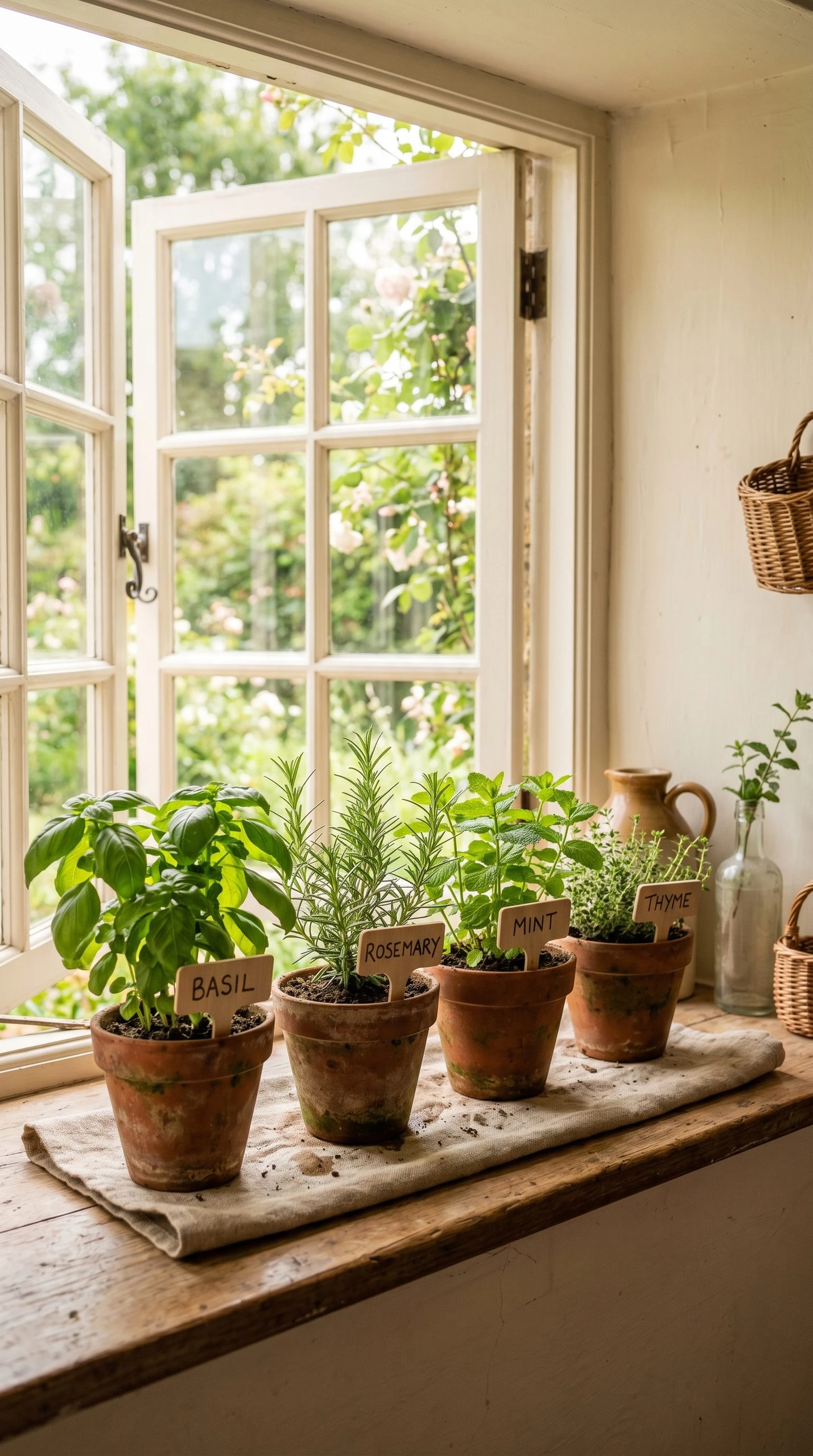
A kitchen windowsill herb garden is one of those summer decor ideas that looks beautiful and serves a practical purpose at the same time. Fresh basil, mint, rosemary, and thyme growing in small terracotta pots lined up on a sunny windowsill add a lush, green, life-filled quality to a kitchen without taking up counter space. The varying shades of green, from the bright lime of basil to the silvery sage of rosemary, create a natural, layered color palette that no store-bought decor can match.
Use matching terracotta pots for a clean, cohesive look, or mix different ceramic styles for something more casual and collected. Add small plant markers or painted stones in front of each pot to label your herbs and add a personal touch. A tray underneath the pots keeps drips off your windowsill and makes the grouping look more intentional. This small setup takes minutes to create and adds a genuinely summery, farmhouse-meets-cottage feeling to any kitchen style.
Designer Advice: Pinch off any flowers that appear on your herb plants to keep them producing leaves longer. Flowering signals the plant to stop putting energy into leaf growth, which is where all the flavor and beauty lives.
12. Use Branches and Stems as Architectural Decor
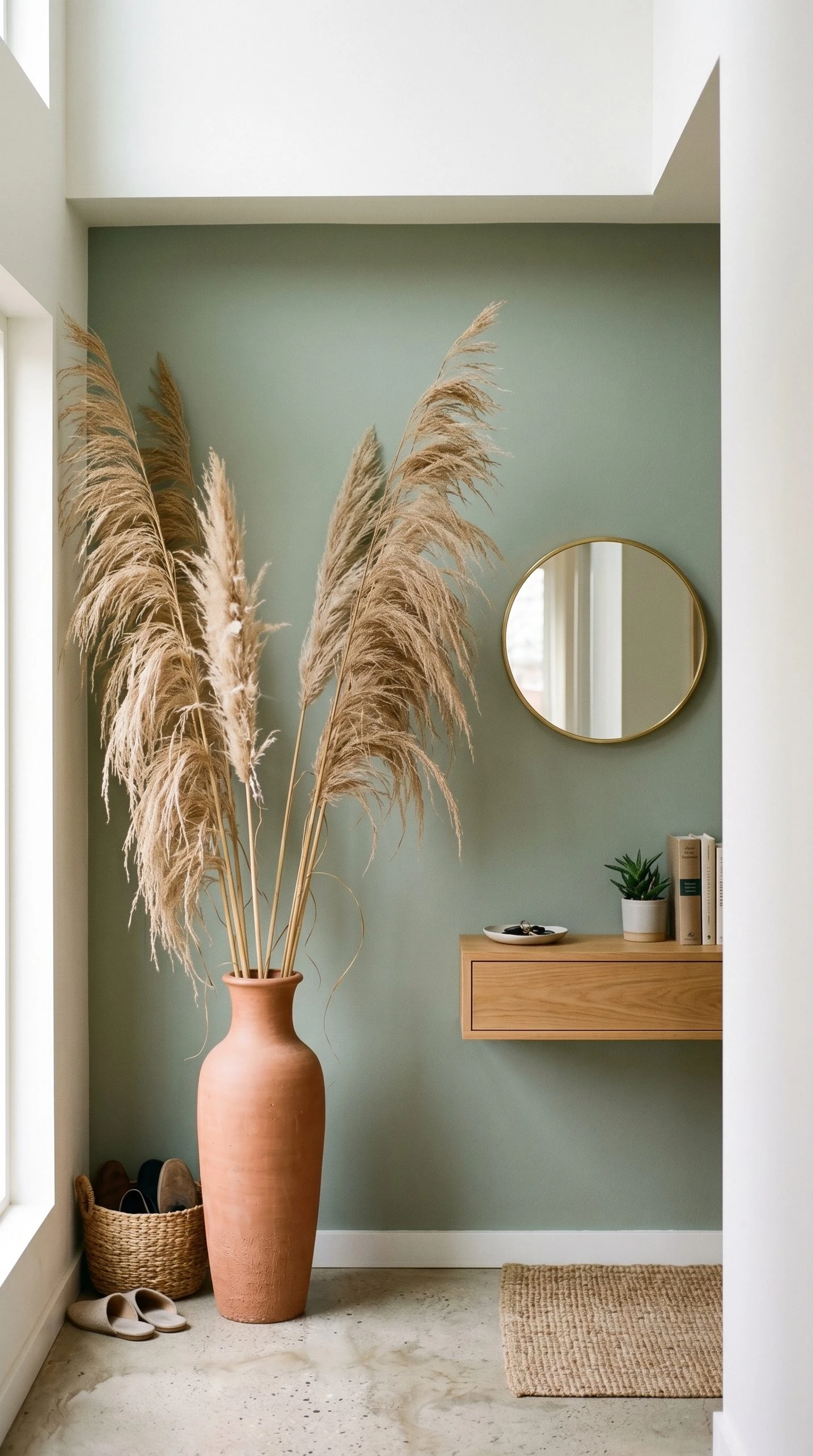
Not all nature-inspired decor has to come from a garden center. Large branches, palm fronds, eucalyptus bundles, and dried grasses can be used as architectural statement pieces that look just as intentional as a piece of sculpture. A few tall stems of pampas grass or bleached branches arranged in a large floor vase make a dramatic, organic statement in an entryway or living room corner without the maintenance of living plants.
The key is scale. Whatever you use, it needs to be tall enough and full enough to read as intentional rather than sparse. A single bundle of eucalyptus in a short vase looks like an afterthought, but the same eucalyptus in a tall, narrow ceramic vase at standing height becomes a genuine focal point. Dried palm fronds arranged in a wide-mouthed terracotta pot work beautifully in bright rooms with a lot of natural light. These arrangements last for months, require zero care, and cost very little.
Designer Advice: Forage locally if you can. Dried seed heads, wild grasses, and interesting branches from your yard or a nearby field can look just as beautiful as anything you would buy, and they have a personal, place-specific quality that purchased stems never quite have.
Room-by-Room Refreshes
13. Restyle Your Entryway for the Season
The entryway sets the tone for everything that follows, so it is worth spending a few minutes making it feel summer-ready. Start by clearing out the heavy winter gear: coats, scarves, waterproof boots. Store them away and leave only what you actually use in summer. A single hooks rail with a light linen tote, a sun hat, and maybe a pair of sandals is infinitely more inviting than a crowded coat rack. The visual lightness of a clear, minimal entryway signals warmth and welcome before anyone even steps into the main rooms.
Add a small vignette on your entry table or console: a ceramic dish for keys, a small vase with a sprig of eucalyptus or a single stem, and maybe a framed summer print or a small potted succulent. Change your doormat to something fresh and season-appropriate. Mats with simple stripes, natural fiber weaves, or a cheerful graphic make a surprisingly big impression because they are literally the first thing guests see when they arrive. A clean, intentional entryway costs almost nothing but communicates that someone cares about the space.
Designer Advice: Hang a straw hat or a wide-brimmed sun hat on a wall hook near the door. It looks casually stylish, keeps it accessible for sunny days, and signals summer more effectively than almost any other single item.

14. Declutter Your Coffee Table and Style It Simply
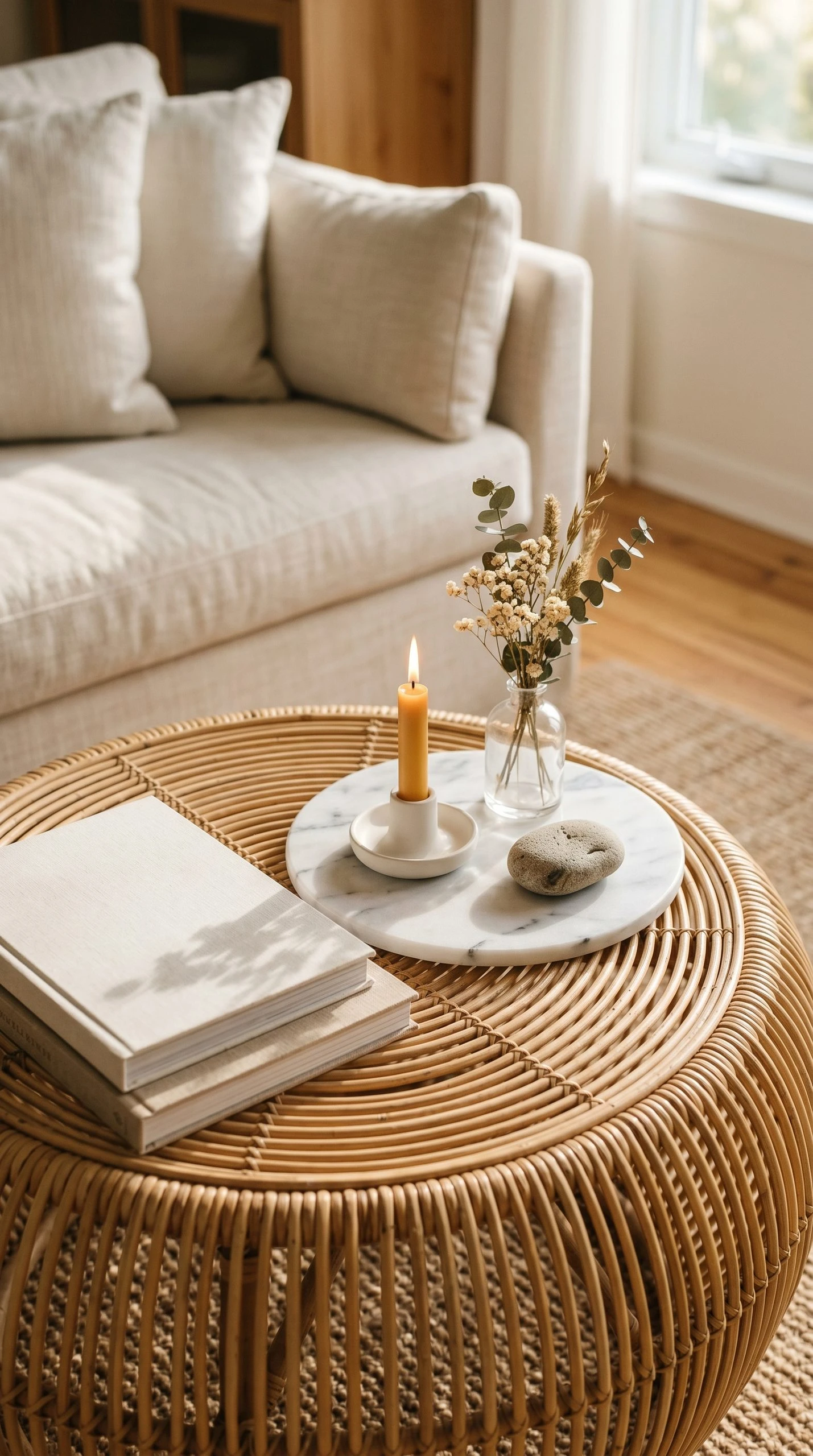
The coffee table is a focal point in any living room, and how it is styled makes a real difference to how the whole room feels. In summer, less is definitely more. Clear off any accumulated clutter and start fresh with just a few carefully chosen items. A small tray in rattan or marble to anchor the grouping, a low vase of fresh flowers or greenery, a couple of coffee table books with warm or natural covers, and a single candle in a summer scent like citrus, basil, or sea salt are all you need.
Keep the color story neutral or warm: white, sandy tones, warm wood, soft green. Avoid anything dark or too heavy-looking on the surface. The goal is a table that looks styled and intentional but also leaves room for actual life to happen around it: a drink, a book, a pair of glasses. Over-styled coffee tables are beautiful in photographs but frustrating to live with. A light, edited approach works better in real homes and real summer living.
Designer Advice: Change out your candle scent seasonally. A citrus or herbal candle in summer immediately signals a new season to anyone who walks into the room, even before they consciously notice anything else.
15. Layer Outdoor Cushions on Your Porch or Balcony
If you have any outdoor space at all, even a small balcony or a single front step, summer is the time to make it as comfortable and inviting as possible. Outdoor cushions have improved enormously in recent years. You can now find weather-resistant cushions in beautiful patterns and colors that hold up to rain and sun without fading or going moldy. Look for patterns in stripes, ikat, block print, or bold geometrics. Colors that work especially well outdoors include cobalt blue, warm red, leafy green, and classic navy and white.
Layer two or three cushions on each seat for a look that feels generous and lived-in rather than minimal. Add a small outdoor side table if you have room, even a simple metal or teak one, so there is somewhere to set a drink. A string of warm white globe lights overhead turns even the most basic balcony into a genuinely lovely evening space. Treat your outdoor area with the same care you give your indoor rooms and you will find yourself using it far more than you expected.
Designer Advice: Bring your outdoor cushions inside when it rains. Even ‘outdoor’ fabrics last significantly longer when they are not left to soak. A quick trip inside adds years to their lifespan.

16. Create a Summer Reading Nook
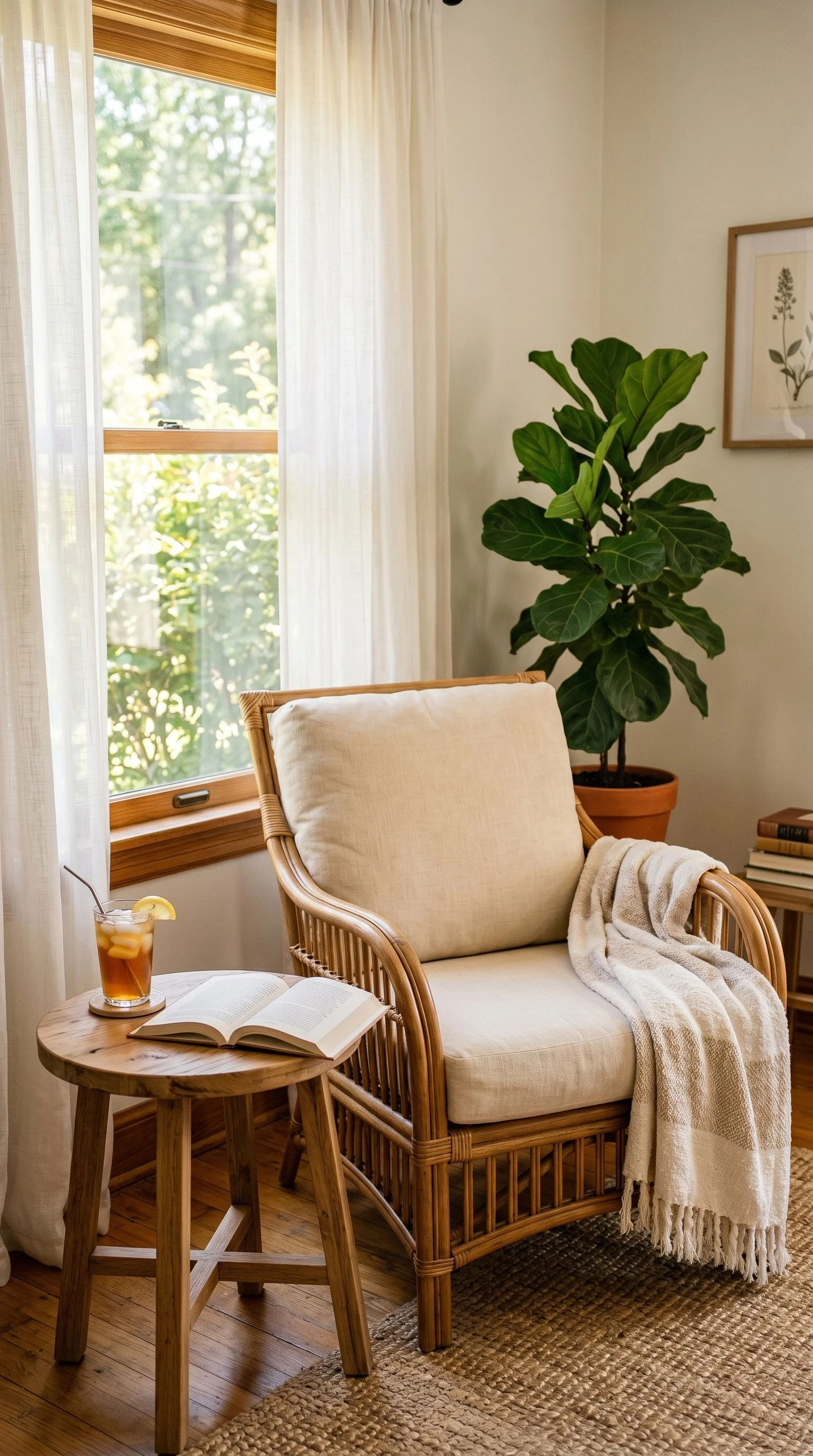
Everyone wants a reading nook, and summer is the perfect excuse to actually create one. You do not need a bay window or a built-in bench. A corner of your bedroom or living room with a comfortable chair, a side table, a lamp, and a small stack of books is all it takes. The key is making the chair genuinely comfortable: add a cushion if it needs one, and place a lightweight cotton throw within reach for evenings. Keep the side table clear except for a lamp, a coaster, and whatever you are currently reading.
For a summer-specific reading nook, choose a chair in a warm tone: wicker, rattan, a linen armchair in a soft color, or even a hammock chair if the ceiling can take the load. Place it near a window if possible so you have natural light during the day. Add a small potted plant nearby and a floor lamp with a warm-toned bulb for evenings. This tiny corner setup takes very little space but creates a dedicated, intentional place to slow down and rest, which is exactly what summer should be about.
Designer Advice: A clip-on reading light attached to your book frees up the side table from needing a lamp and lets you read without waking a partner. It is a small thing but makes the nook far more functional.
17. Refresh Your Bathroom with Simple Seasonal Touches
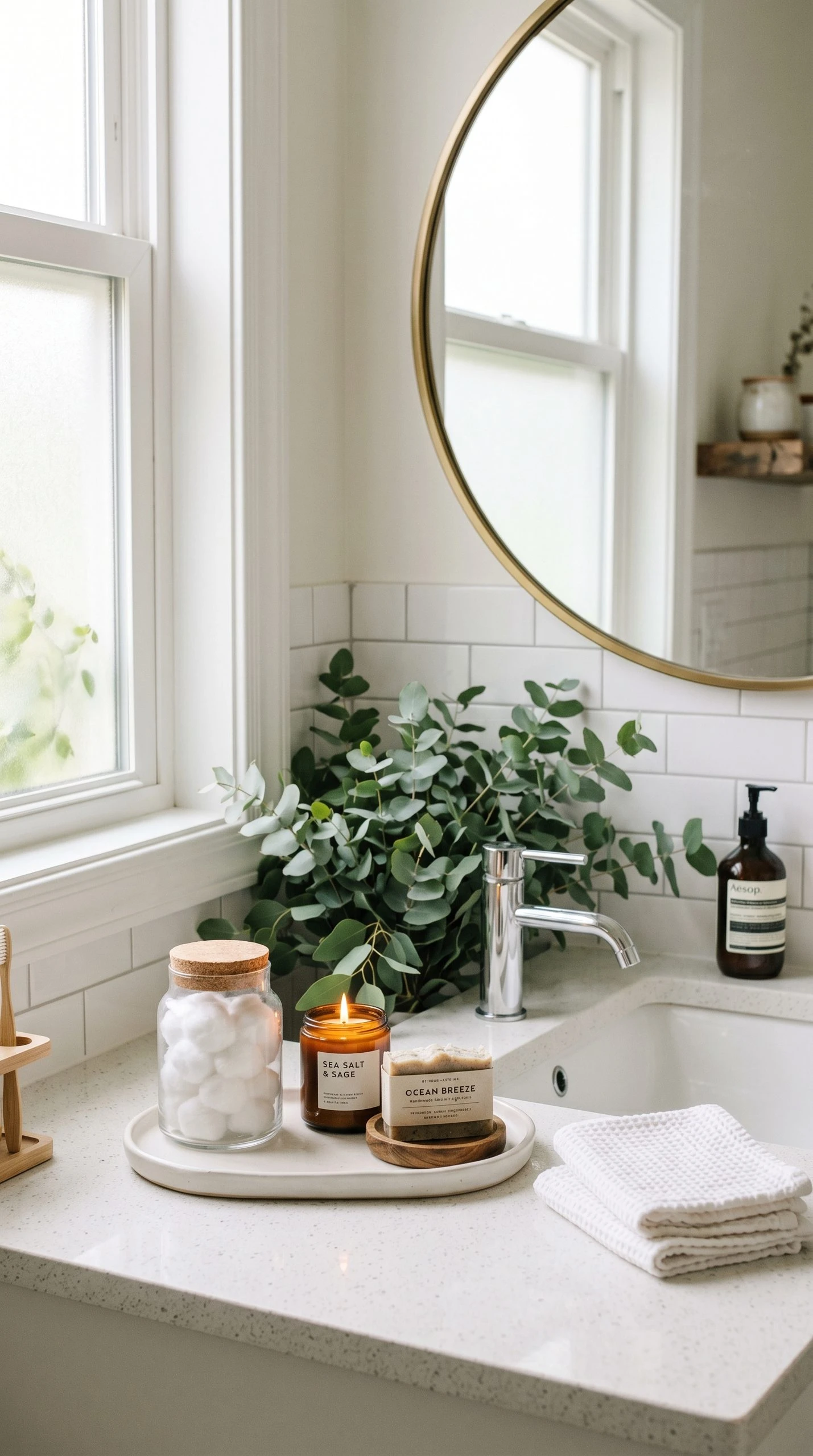
The bathroom is easy to overlook when decorating for summer, but a few small changes can make it feel like a completely different space. Start by swapping out dark or heavy towels for fresh white or light-colored ones. Bright white towels always feel clean and summery, but you can also go for pale blue, sage green, or soft coral if you want a bit of color. Roll or fold them neatly and display them in an open basket or on the towel bar in a way that looks intentional.
Add a small tray to your bathroom counter and style it simply: a glass jar with cotton balls, a small votive candle, a bar of artisan soap in a summer scent, and a sprig of fresh eucalyptus tucked behind the faucet. A new bath mat in a natural fiber or a fun summer print can also make a significant difference for very little money. The bathroom is a room people visit multiple times a day, and making it feel fresh and pleasant is a small act of care that pays off constantly.
Designer Advice: Hang a bundle of fresh eucalyptus from your showerhead with a rubber band. The steam from your shower releases the oils and creates a spa-like scent that lasts for weeks.
18. Style Your Kitchen Counter with Seasonal Produce
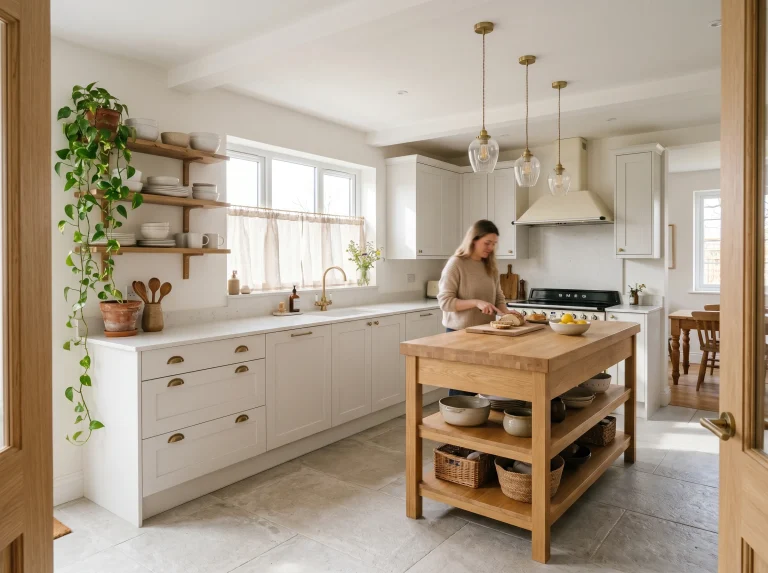
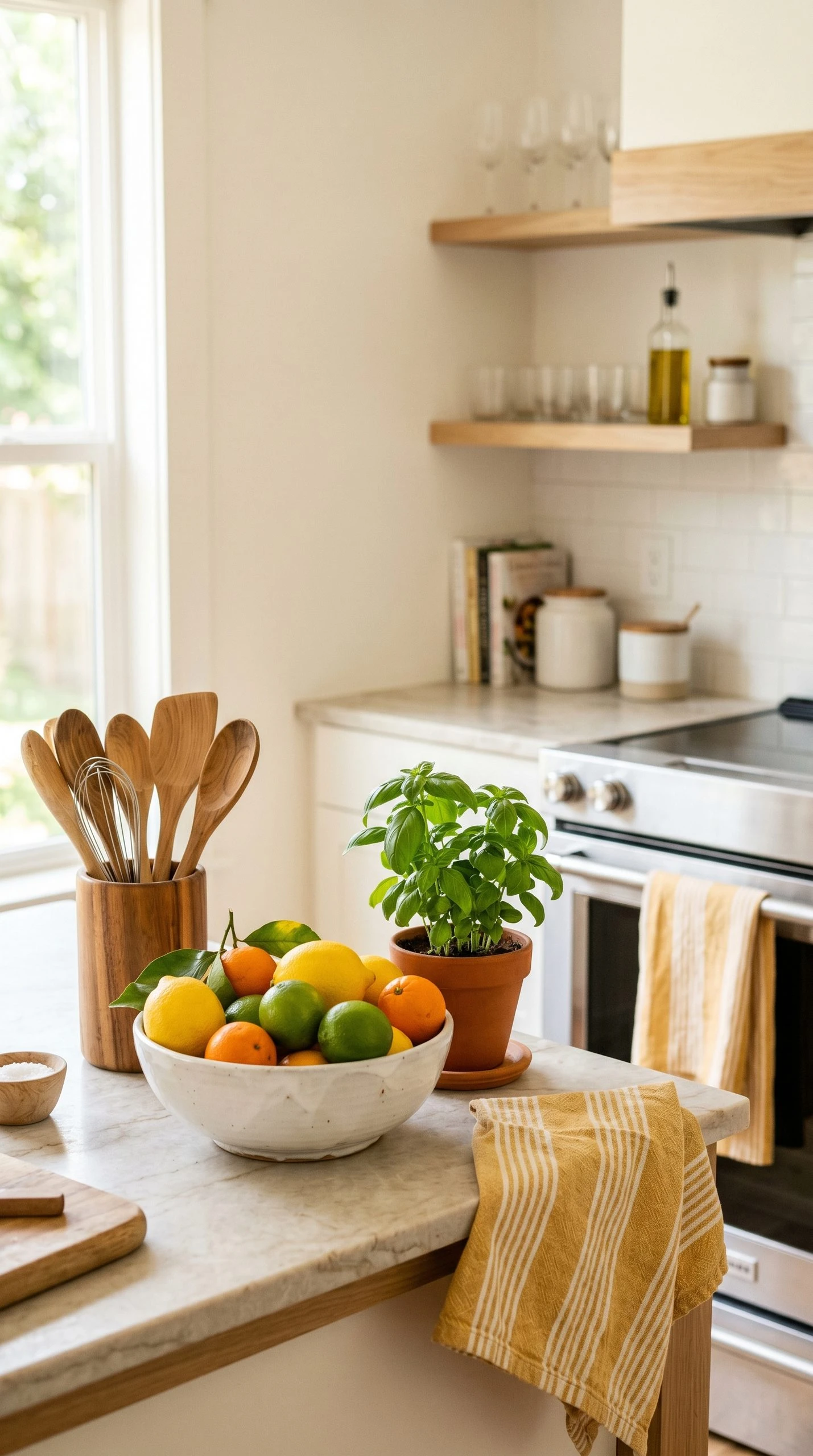
Your kitchen can do a lot of seasonal heavy lifting without any decor purchases at all. A wooden bowl or a ceramic pedestal dish filled with seasonal summer produce is one of the most naturally beautiful counter displays you can create. Think lemons, limes, peaches, plums, cherries, or a mix of summer tomatoes in different sizes and colors. The saturated yellows, oranges, reds, and purples of summer fruit are genuinely beautiful and they cost nothing beyond your regular grocery run.
Pair the fruit bowl with a ceramic crock holding wooden spoons and a small potted herb on the counter nearby and you have a kitchen counter that looks effortlessly styled without a single piece of decor. Change out the produce as you use it to keep it looking fresh. Add a linen dish towel in a summer print draped over the oven handle, and hang a few dried herbs upside down from a hook above the window if you want to lean into a more cottage or farmhouse summer aesthetic.
Designer Advice: Display citrus fruits specifically. Lemons and limes in a white ceramic bowl are one of the most classic, enduring, and universally loved summer kitchen displays in interior design.
Accents and Finishing Touches
19. Add Rattan or Wicker Accents Throughout the Home
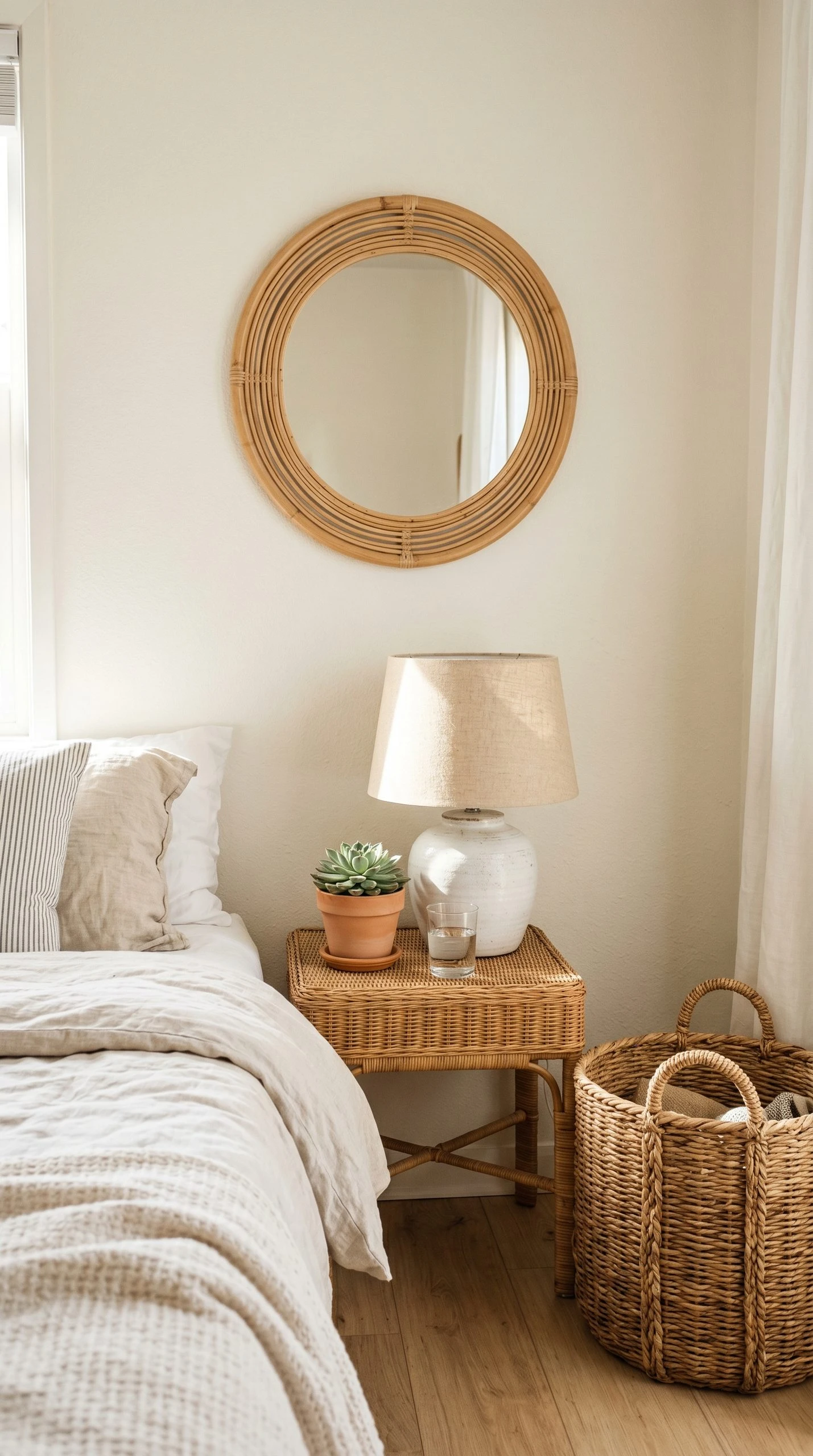
Rattan, wicker, and cane are materials that have been associated with warm-weather living for decades, and for good reason. They are light, natural, and they add a relaxed, organic texture that instantly shifts the feeling of a room toward summer. You do not need to go full coastal or bohemian to use these materials well. A single rattan mirror in the entryway, a wicker basket holding your throw blankets, or a set of cane-front cabinet doors can be enough to introduce this texture without overwhelming your existing style.
Rattan furniture like chairs and side tables works particularly well in sunrooms, breakfast nooks, and bedrooms where a relaxed, casual energy is appropriate. Look for rattan pieces with a natural or bleached finish rather than painted, as these tend to feel more versatile and age more gracefully. Wicker baskets are endlessly useful for storage, and when displayed openly they double as decor. A tall wicker laundry hamper, a flat-weave storage basket by the sofa, and a smaller basket holding your remotes all contribute to a home that feels organized and summery at the same time.
Designer Advice: Mix rattan with white and warm wood tones for a cohesive look. These three materials together almost always create a space that feels naturally summery without any additional effort.
20. Display Shells, Stones, and Found Objects
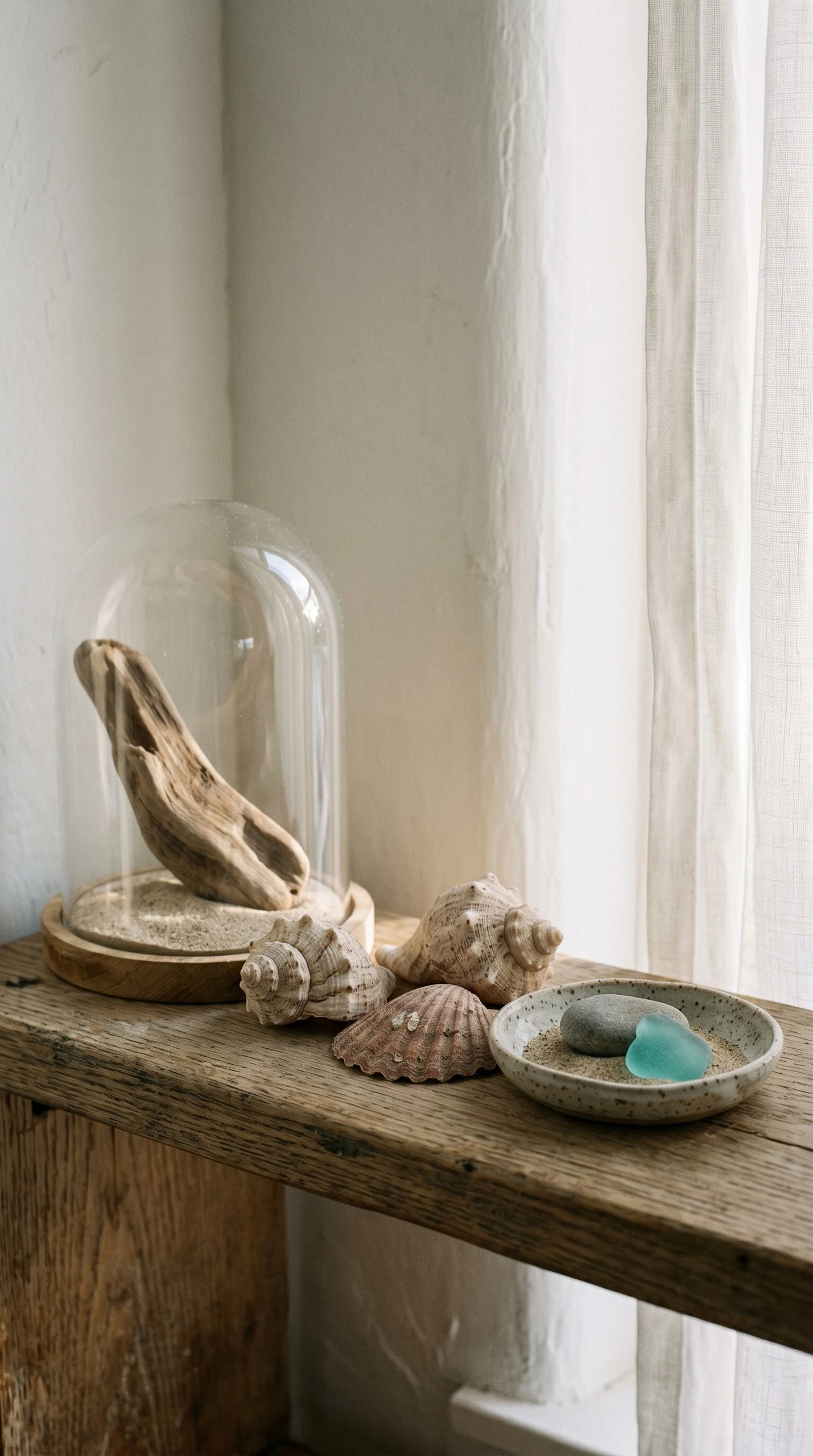
One of the most personal and completely free ways to bring summer into your home is through the objects you collect during the season. Shells from a beach trip, smooth river stones from a hike, interesting driftwood pieces, pinecones from a summer walk, pressed flowers from your garden: all of these things have texture, history, and meaning that no store-bought decor can match. Display them in glass jars, on ceramic plates, in wooden trays, or simply lined up along a windowsill.
The key is curation rather than accumulation. Five beautiful shells arranged intentionally on a shelf look like a design decision. Fifty shells in a bag in a drawer look like a forgotten collection. Choose your favorites, display them thoughtfully, and let the rest go. A glass cloche over a particularly beautiful piece of driftwood or a cluster of shells makes it look like a genuine display piece rather than something you forgot to put away. These objects bring the outside world indoors and give your home a sense of story and personality.
Designer Advice: Give your found objects a quick rinse and let them dry fully before displaying them. Clean shells and stones look far more beautiful than dusty ones, and the process of washing and arranging them is genuinely satisfying.
21. Switch to Summer Scents with Candles or a Diffuser
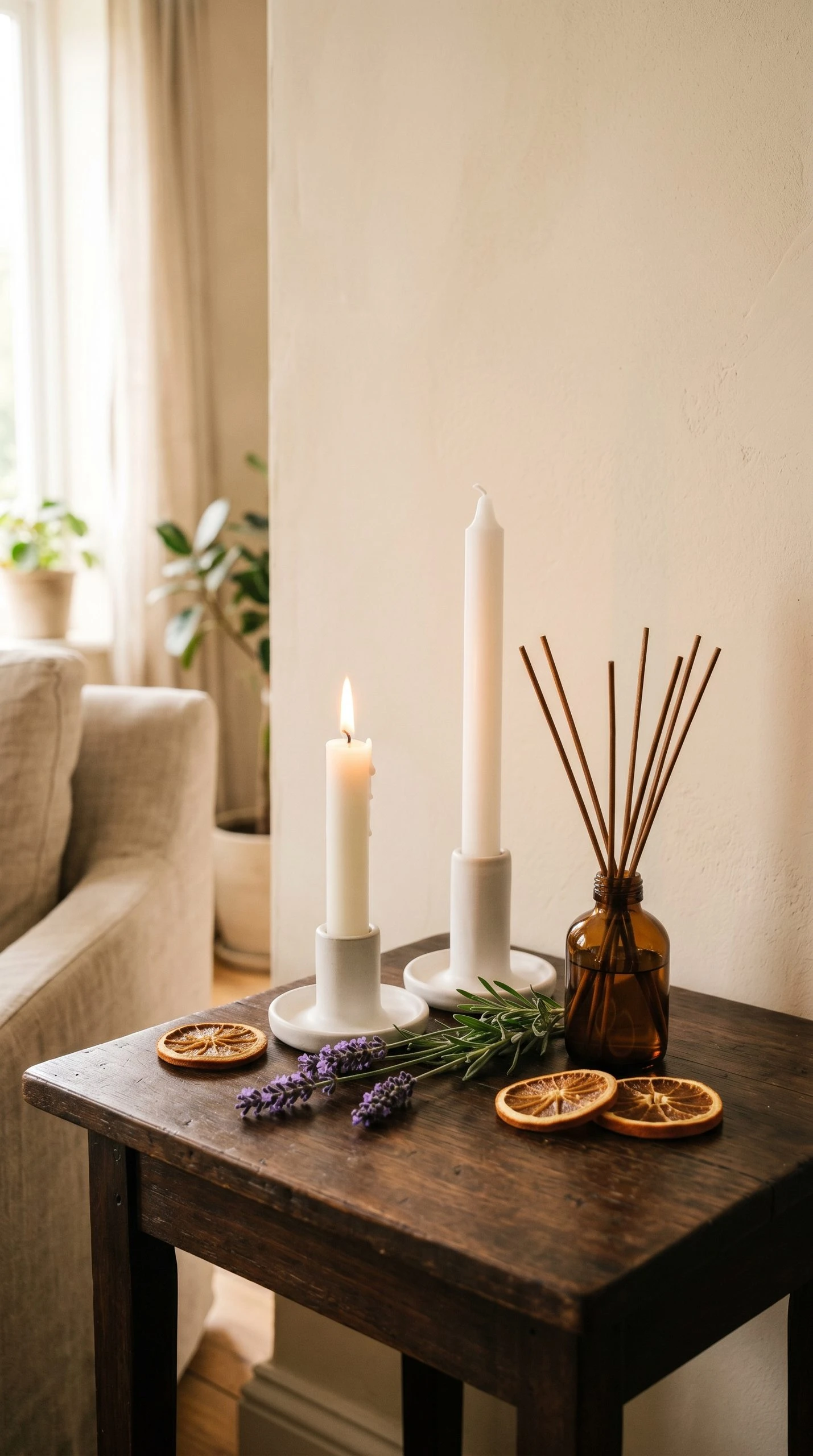
Scent is the most underused tool in home decorating, and it is one of the most powerful. A room can look perfectly summer-ready, but if it still smells like the heavy wood-smoke candle you burned all winter, something feels off. Summer scents include anything citrus-forward like lemon, bergamot, grapefruit, and orange blossom, as well as herbal scents like basil, mint, and lavender, fresh-water scents like sea salt and driftwood, and floral notes like jasmine, gardenia, and sweet pea.
Candles are the most popular option, but a reed diffuser works well in rooms where you cannot always have a flame burning, like a bedroom or a bathroom. Linen sprays are another excellent option, particularly for bedrooms and sofas where a quick spritz before guests arrive can freshen the fabric instantly. Essential oil diffusers are the most cost-effective long-term option if you use them regularly. Whatever format you choose, refreshing your home’s scent is one of the fastest ways to signal a seasonal shift and it affects how people feel in a space in ways they often cannot quite articulate.
Designer Advice: Place a candle or diffuser near your front door as well as in the main living areas. The first scent a person encounters when entering your home sets the emotional tone for everything that follows.
22. Update Your Front Door Wreath
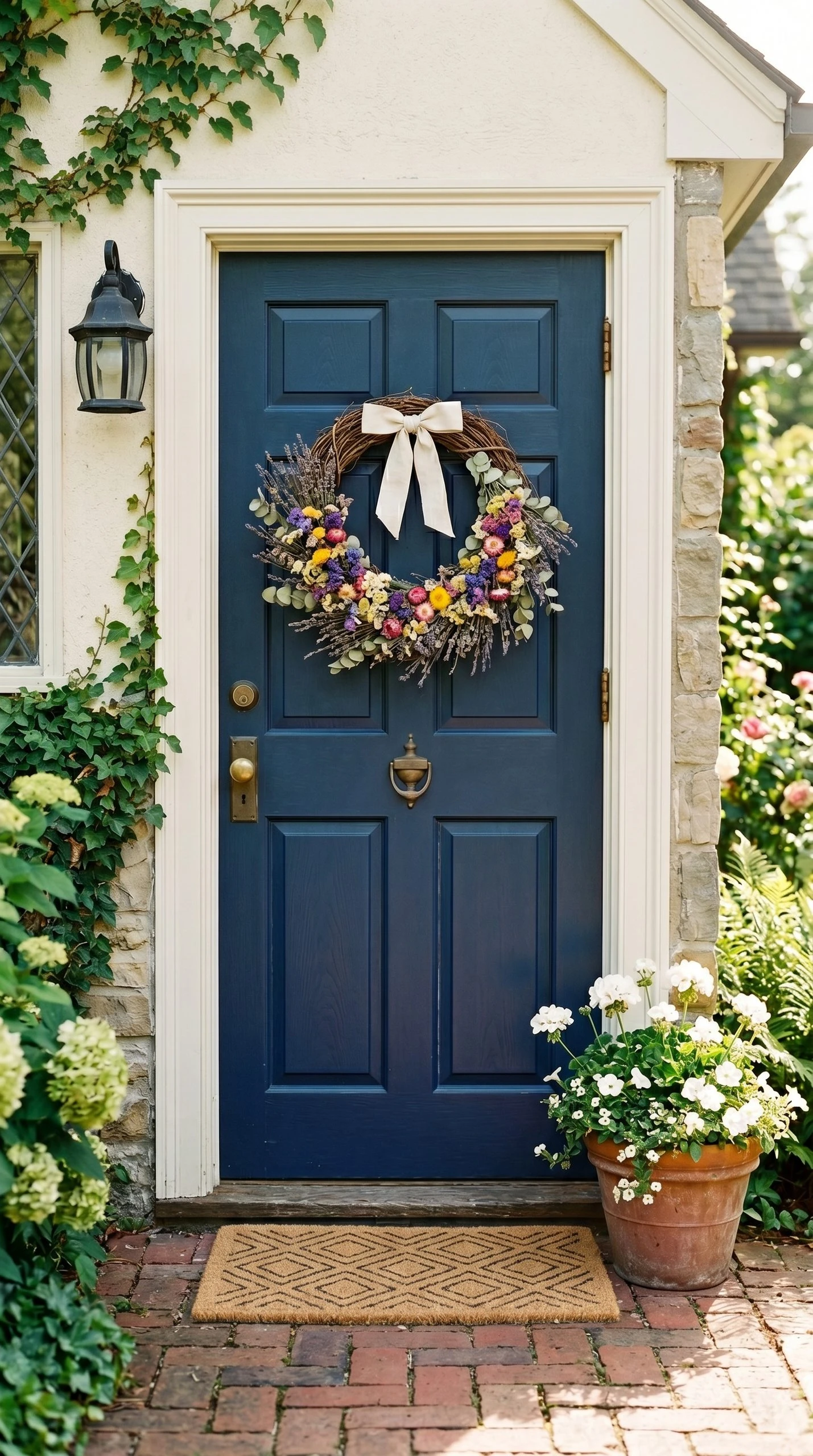
Your front door is the first impression your home makes, and a seasonal wreath is one of the simplest ways to signal that you pay attention to the details. For summer, move away from the heavy evergreen and pine cone wreaths of winter toward something lighter and more seasonal. A wreath made of dried lavender, cotton stems, dried wildflowers, or preserved eucalyptus reads as summer without being fussy or overly formal. Alternatively, a simple grapevine base with a few faux botanicals or even a loose bundle of fresh herbs tied with a ribbon can work beautifully.
You do not need to spend a lot on a wreath. A basic grapevine wreath from a craft store is the perfect base for a DIY version. Hot-glue a handful of dried flowers, a few sprigs of faux greenery, and a simple linen bow and you have a wreath that looks custom and thoughtful. Change it out every season, or keep a summer version that you rotate with a fall and winter version. The front door matters more than most people realize, and a beautiful wreath makes your home look welcoming and cared for from the street.
Designer Advice: Hang your wreath slightly higher than you think. Most people place wreaths at eye level, but hanging them a few inches higher draws the eye upward and makes the door appear taller and more grand.
23. Set Up an Outdoor Dining Area, Even a Small One
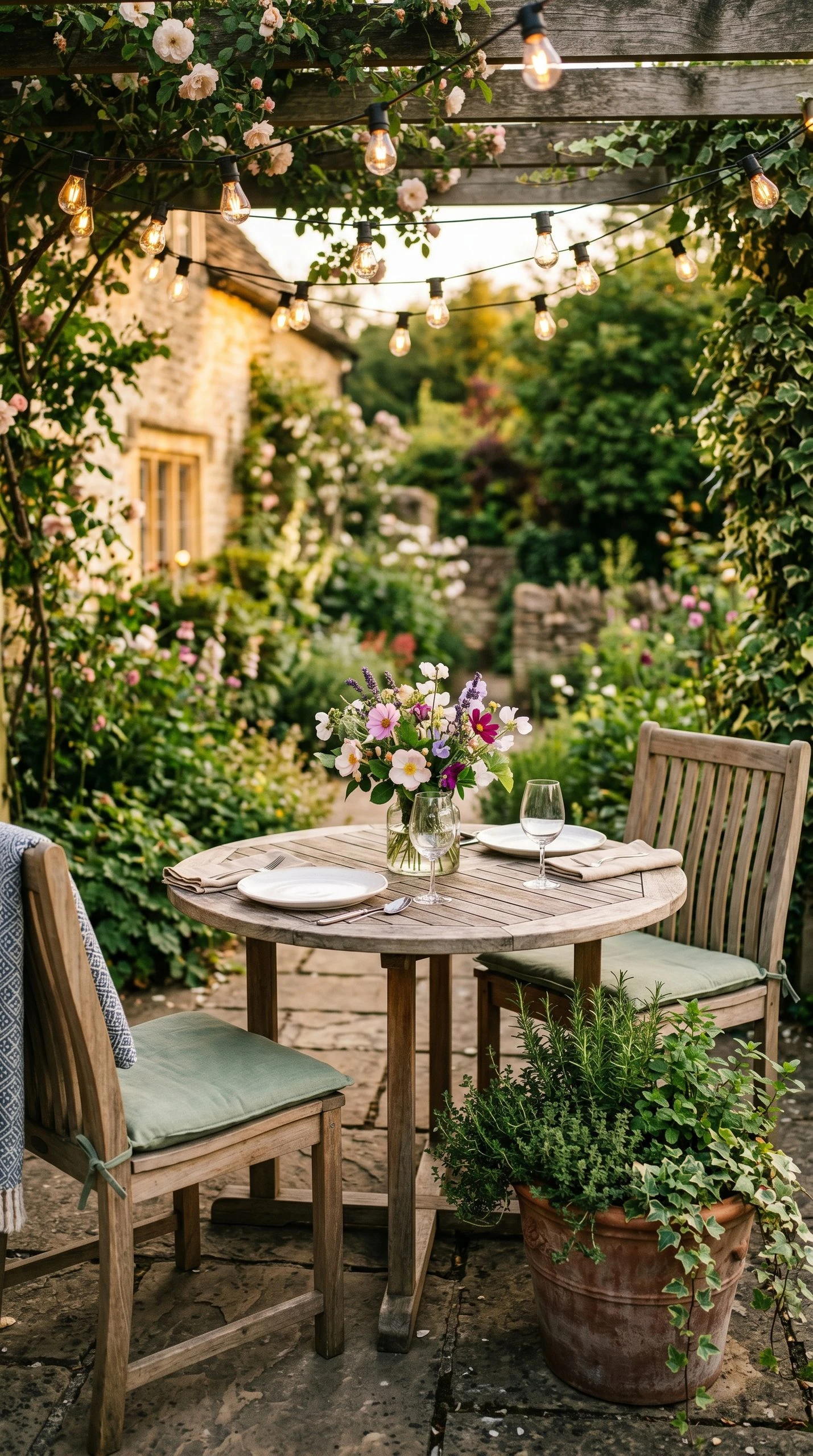
Eating outside is one of the great pleasures of summer, and setting up even a basic outdoor dining situation can significantly change how you experience the warmer months. You do not need a large patio or an elaborate outdoor dining set. A folding table and a couple of chairs on a balcony, a blanket spread out in a garden, or even a picnic setup on a front porch can create an outdoor dining experience that feels intentional and enjoyable rather than improvised.
Style your outdoor table with the same care you give your indoor dining table. A simple cloth or a woven placemat, a glass vase with a few flowers, an outdoor-safe candle lantern for evenings, and some comfortable seating is all you need. String lights overhead transform the space after dark and make even a basic setup feel genuinely beautiful. Outdoor dining also has the added benefit of making your home feel larger in summer, because the outdoor space becomes a natural extension of the interior.
Designer Advice: Invest in a good outdoor tablecloth that is weighted at the corners to prevent it blowing away. Nothing interrupts a relaxed outdoor dinner quite like chasing your tablecloth across the garden.
24. Add a Statement Mirror to Bounce Natural Light
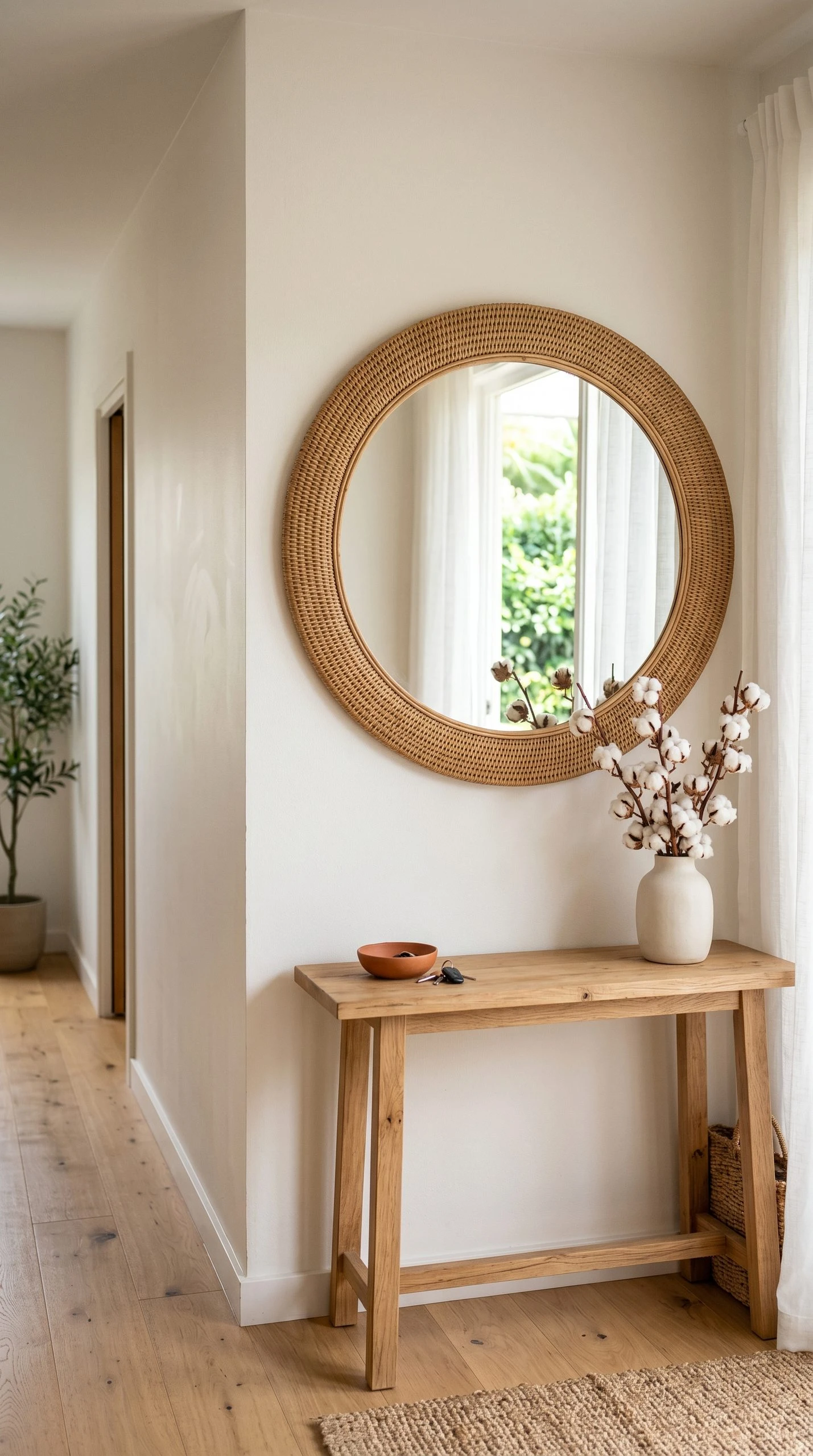
Mirrors are one of the most effective tools in interior design for making spaces feel larger and brighter, and in summer they do double duty by bouncing the increased natural light around the room. A large mirror placed opposite a window reflects the outdoor view, the shifting sky, and the quality of summer light in a way that genuinely makes the room feel connected to the outside. Even in rooms without great natural light, a well-placed mirror makes the existing light go further.
For summer, look for mirrors in frames that feel light and organic: natural rattan, bleached wood, simple brass, or unframed frameless glass. Heavy, ornate frames in dark finishes fight against the light, airy energy you are trying to create. A round mirror tends to feel softer and more casual than a rectangular one, which suits the relaxed summer aesthetic well. Position it at eye level or slightly above in an entryway, above a console table, above a mantle, or leaning casually against a wall for a more relaxed look.
Designer Advice: Clean your mirrors at the start of the season. A streaky mirror does not reflect light well and undermines the entire effect. A properly cleaned mirror in a bright room is genuinely one of the best free upgrades you can make.
25. Bring in a Simple Outdoor Lantern or String Lights
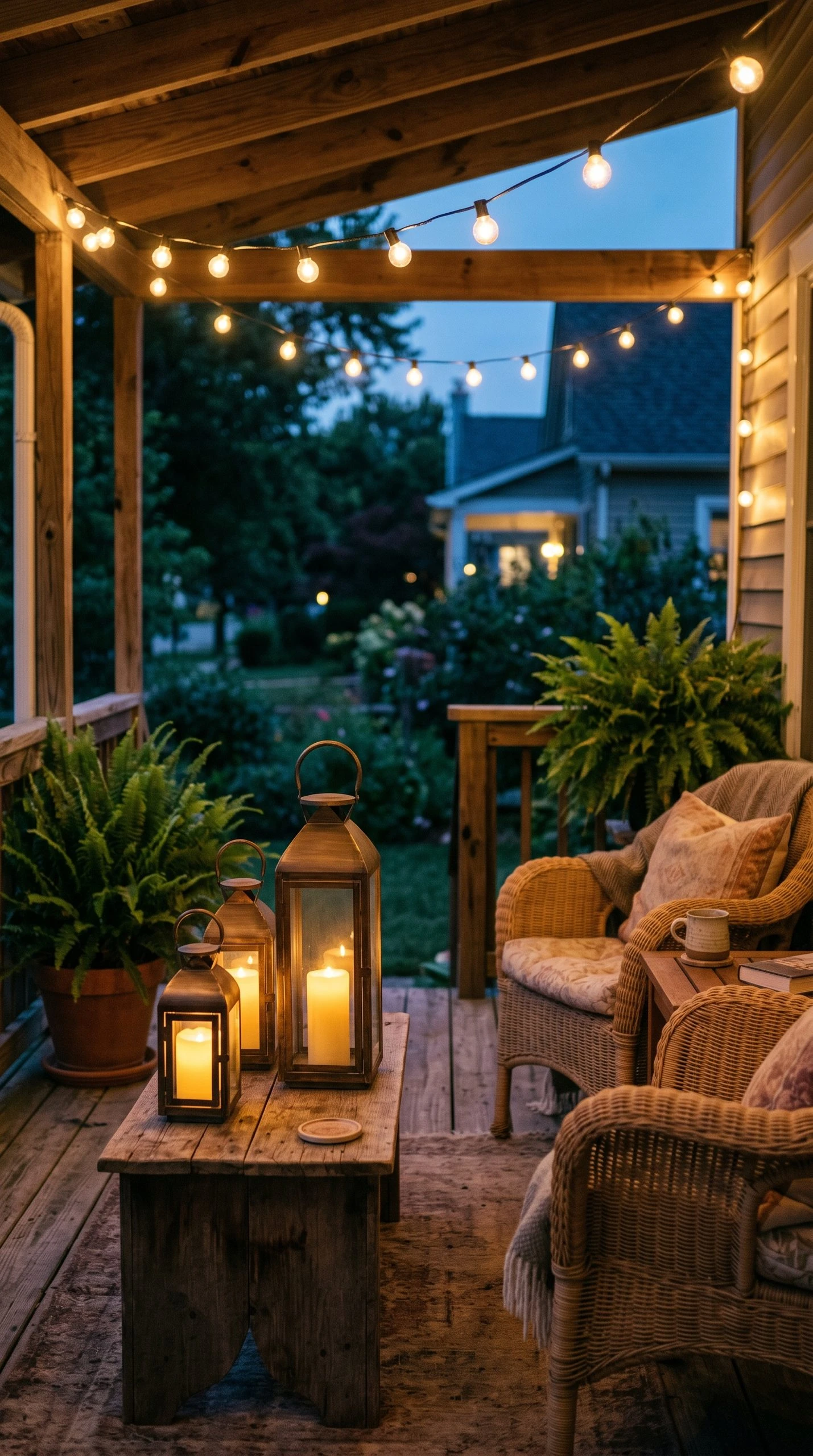
The way you light your home in the evenings has an enormous impact on how warm and inviting it feels, and summer evenings specifically call for a softer, more atmospheric kind of light. Swap out bright overhead lighting for lamps, candles, and lanterns as much as possible in the evenings. Outdoor-style lanterns work beautifully inside and outside the home, and they signal summer in a way that is immediately felt. A cluster of three lanterns in different heights on a coffee table, a mantle, or a front step makes a stunning display.
String lights are possibly the most versatile and affordable way to add ambiance to any summer space. Draped along a balcony railing, strung through a pergola, wound around porch columns, or even hung above a bed indoors, warm white globe string lights create a soft, golden glow that feels magical on summer evenings. They are inexpensive, easy to install, and they completely transform how a space feels after dark. Pair them with a candle or two for layers of light that make any space feel genuinely inviting.
Designer Advice: Use lanterns with actual candles rather than battery-operated fakes when safety allows. The flicker of a real flame adds a quality of warmth and movement that no LED can fully replicate.
Final Thoughts
Summer decorating is really about one thing: making your home feel as good as the season outside. It is not about following rules or matching every piece of decor to a single aesthetic. It is about paying attention to how light moves through your rooms, how the air feels when the windows are open, how a room looks when you strip away the heavy things you relied on all winter and let something lighter take their place. The ideas in this article are meant to be starting points, not a checklist to complete.
Pick two or three ideas from each category that feel genuinely right for your space and your style. Do not try to do everything at once. Summer decorating works best when it feels organic and accumulated over the course of the season rather than executed in a single weekend. Add a bunch of flowers one week. Swap your pillow covers the next. Hang new curtains when the mood strikes. Layer the changes gradually and let the season unfold in your home the way it does outside.
Most importantly, remember that the best summer home is one that is actually lived in. The goal is not a photograph. The goal is a space where you want to spend long evenings with the windows open, where friends feel comfortable dropping by, where you feel genuinely relaxed and glad to be. That is always worth more than perfect decor.
Frequently Asked Questions
How do I decorate for summer on a very tight budget?
The most budget-friendly summer decor moves are the ones that use what you already have. Rearrange your furniture to maximize natural light, swap pillow covers rather than buying new cushions, bring in fresh flowers or cuttings from your garden, and declutter surfaces to create a cleaner, more open look. These changes cost almost nothing but make a real difference. When you do spend, focus on pillow covers and one or two accent pieces rather than large furniture items.
When should I start decorating my home for summer?
Most people start transitioning their home decor toward summer in late May or early June, when the weather genuinely starts to feel warmer and the days are noticeably longer. However, there is no rule. If your area has an early summer, you might start in April. If you enjoy the process of gradual transition, you can start small in spring and layer in more summer-specific pieces as the season progresses. Follow the weather and your own instincts rather than a calendar.
What colors work best for summer home decor?
Summer decor works best with a palette that is light and warm rather than dark and heavy. Classic summer colors include warm white, sandy beige, terracotta, coral, soft yellow, sage green, and sky blue. You do not need all of these at once. Pick two or three that complement your existing furniture and build your seasonal accents around those. Neutral bases with warm accent colors tend to have the longest visual appeal and are easiest to update from year to year.
How do I make a small apartment feel more summery without adding clutter?
In a small space, the key is subtraction rather than addition. Start by removing heavy winter items: thick throws, dark pillows, heavy curtains. Replace them with lighter versions rather than adding to what you already have. Swap one throw for a lighter one rather than adding another blanket to the pile. Replace dark pillow covers with lighter ones on the same cushion inserts. Let more light in by opening curtains fully. Add one small vase of flowers rather than multiple decorative objects. Less is genuinely more in a small space.
What are the easiest summer decor swaps for someone who does not have much time?
The fastest, highest-impact swaps are: changing your pillow covers, hanging sheer curtains, adding a vase of fresh flowers, swapping your candle to a summer scent, and clearing your surfaces so they feel less cluttered. Any one of these takes under fifteen minutes and makes a visible difference. If you only do one thing, change your pillow covers. They are inexpensive, quick to swap, and they immediately shift the color story and energy of any room.
How do I keep summer decor looking fresh all season rather than tired by July?
The trick is to change fresh elements regularly while keeping your foundational pieces in place. Rotate your flowers every one to two weeks, move your plants around to keep them engaged with different light angles, swap one or two accent pieces mid-season, and add or remove items as the mood strikes. Summer decor has a living quality to it precisely because the season is dynamic. Embrace that rather than fighting it. A home that shifts slightly throughout summer feels alive in the best possible way.