Bedroom Hacks Worth Trying If You Actually Want to Sleep Better
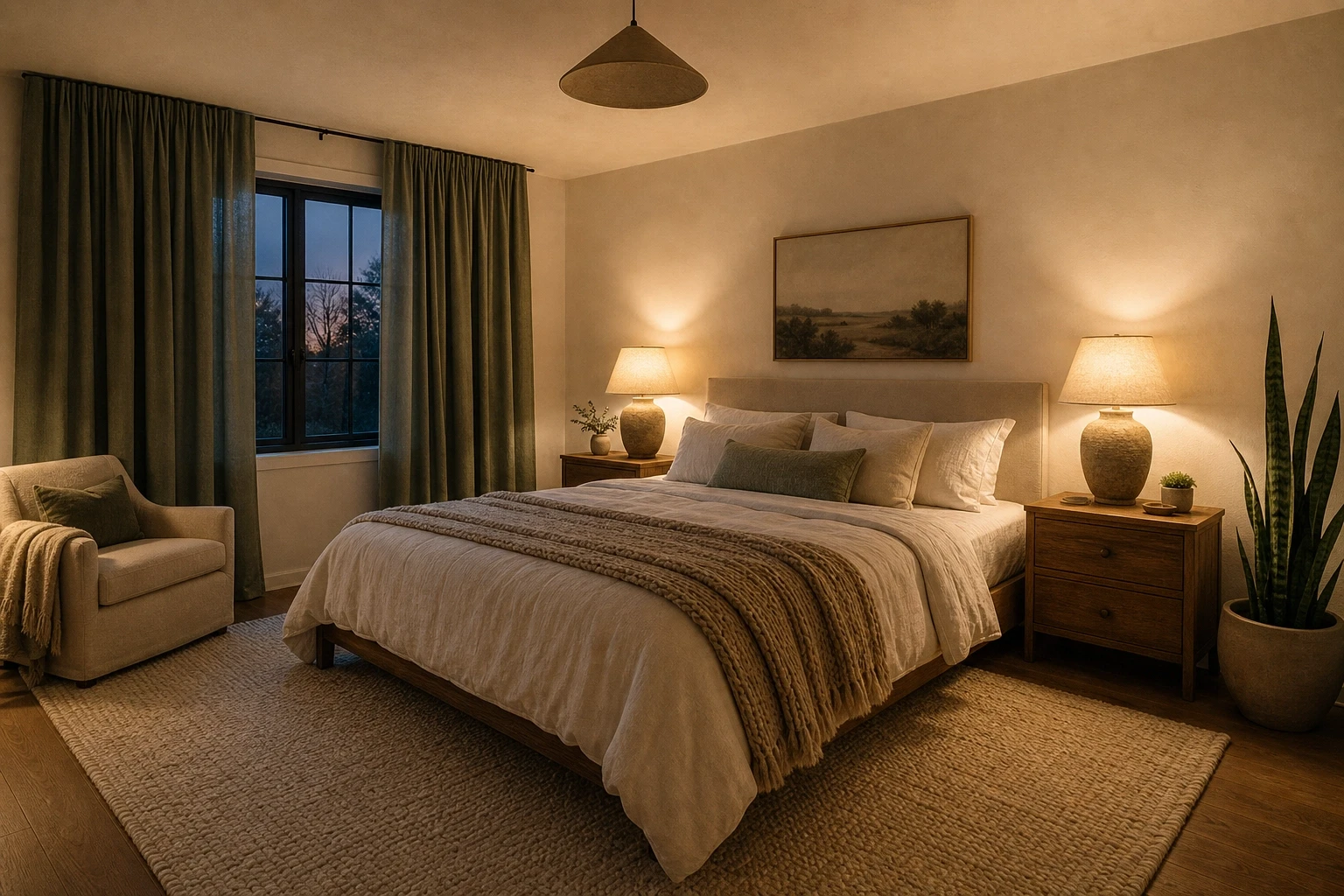
There is a reason some nights you fall asleep within minutes and wake up feeling genuinely rested, while other nights you lie there staring at the ceiling counting every sound the house makes. A lot of that comes down to your bedroom itself. The environment you sleep in has a direct influence on how quickly you fall asleep, how deeply you stay asleep, and how you feel when the alarm goes off. Most people spend a lot of time thinking about their mattress but very little time thinking about everything else around it.
The good news is that making your bedroom work better for sleep does not require a full renovation or an expensive decorator. Most of the changes that actually move the needle are small and surprisingly affordable. Things like the colour on your walls, the type of bulb in your lamp, where you position your bed, and what fabrics you layer on top of each other can completely change how your room feels at night. These details add up fast.
This article covers 13 cozy bedroom hacks that are grounded in real interior design thinking and sleep science. Each one is a practical, specific idea you can act on, whether you are renting a studio apartment or decorating a primary suite from scratch. Some will take five minutes. Some will take a weekend. All of them are worth the effort if a better night of sleep sounds appealing to you.
1. Switch to Warm Bulbs and Add a Dimmer
You know that feeling when you walk into a hotel room and everything just feels calm, even before you have sat down? A huge part of that is the lighting. Most hotel designers avoid cool white overhead lights entirely and instead use warm, amber-toned lamps placed low in the room. Your bedroom at home can do the same thing, and it costs almost nothing to start.
The first step is swapping out any cool white or daylight bulbs for warm white ones rated around 2700K. Cool light has a blue wavelength that tells your brain to stay alert, which is the last thing you want at nine in the evening. Warm light mimics the glow of a fire or candlelight and naturally signals to your body that it is time to wind down. You will notice the difference the same night you make the switch.
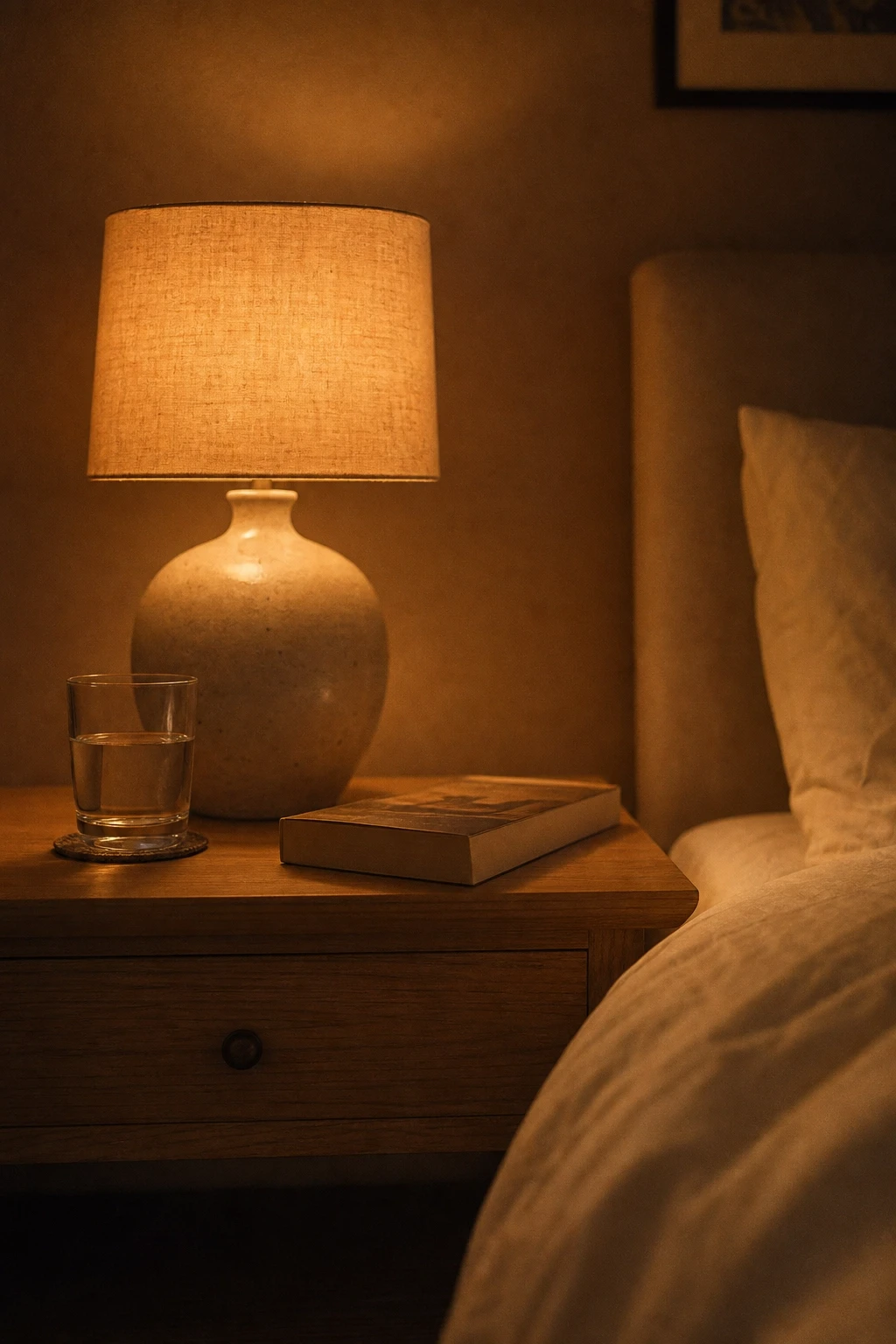
If you want to go further, add a simple plug-in dimmer to your bedside lamp or invest in bulbs with a dimming function. Being able to lower the light gradually as your bedtime approaches works with your body rather than against it. Pair this with a small ceramic or linen table lamp on each nightstand instead of relying on a central overhead fixture. The lower the light source, the more relaxing the room feels.
Sleep Hack: Turn off all overhead lights at least 45 minutes before bed and rely only on your bedside lamps set to the lowest comfortable level. This one habit can shave real time off how long it takes you to fall asleep.
2. Layer Your Bedding the Right Way
Picture a bed that looks like it belongs in a magazine, piled high with blankets and pillows in different textures, all slightly rumpled in the most inviting way. That look is not just for photography. It is actually a practical sleep strategy. Layering your bedding gives you control over your temperature throughout the night, which matters a great deal for deep sleep.
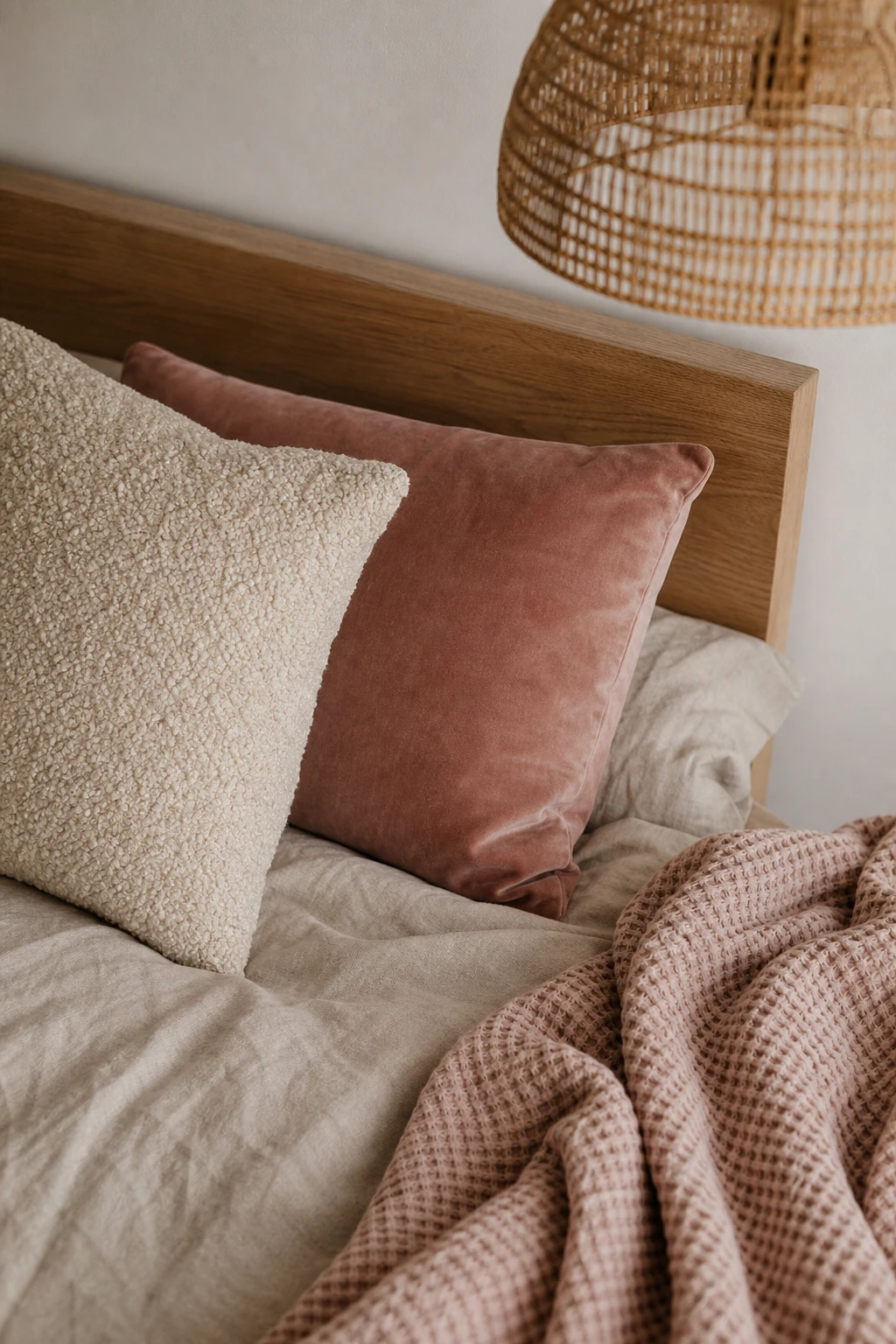
Start with a fitted sheet in a fabric that feels good directly against your skin. Percale cotton is crisp and cool, great for warm sleepers, while sateen has a softer, silkier feel. On top of that, add a lightweight quilt or coverlet as your middle layer. This is the piece you can kick off easily if you get warm. Over that goes your main duvet or comforter, ideally filled with down or a down alternative if you have allergies. Finally, fold a chunky knit blanket or a waffle-weave throw across the foot of the bed. That last piece is there for the middle-of-the-night chill and it also adds serious visual warmth to the room.
Colour matters here too. Stick to a palette of creams, warm whites, dusty blush, soft sage, or clay tones. These colours read as restful and calm even before you get into bed. Avoid anything too bright or saturated on the bed itself since it creates visual stimulation in the one place you want your brain to slow down.
Sleep Hack: Size up your duvet. Using a king duvet on a queen bed creates that full, draped look you see in high-end hotels and it also means you are never fighting your partner for coverage in the night.

3. Paint the Walls a Colour That Actually Calms You
If you have ever walked into a room painted bright white and felt strangely alert, that is not a coincidence. Wall colour has a measurable effect on mood and relaxation. Research on colour psychology consistently shows that certain tones lower heart rate and create a sense of calm, which is exactly what you want in a room built for sleep.
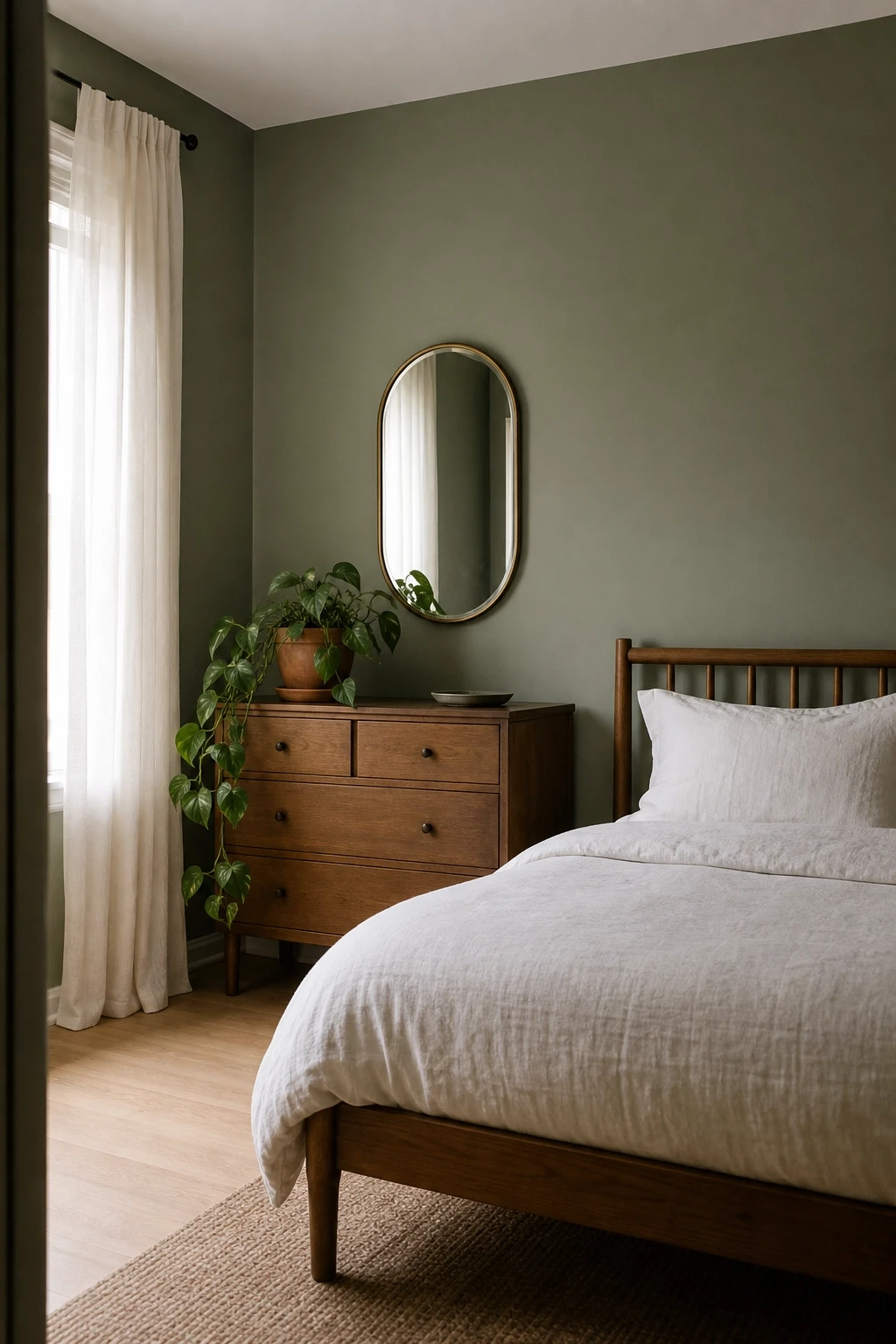
The best wall colours for bedrooms tend to fall into muted, cool-to-neutral territory. Soft blue-greys, warm taupes, dusty sage green, pale terracotta, and chalky off-whites all perform well. Blue in particular has strong associations with calm, and studies have found that people in blue rooms report lower stress levels than those in red or orange environments. That said, the most important thing is how the colour makes you personally feel. A deep, moody navy can be incredibly cozy for some people and feel claustrophobic for others.
If repainting is not an option because you are renting, you can introduce colour through large soft furnishings instead. A sage green upholstered headboard, dusty blue curtains that go floor to ceiling, or a warm terracotta rug can shift the energy of the room almost as effectively as paint. The goal is to make the room feel lower stimulation, like everything is telling you to slow down rather than gear up.
Sleep Hack: Test any paint colour in your actual room at night with the lights you normally use. Colours look completely different under warm artificial light than they do in a showroom under fluorescents.
4. Hang Blackout Curtains That Go Floor to Ceiling
Early morning light is one of the most common reasons people wake up before they want to. Your eyelids are surprisingly poor at blocking light, and even dim morning glow can trigger your brain to start the wake-up process. This is especially problematic in summer months when the sun rises before most people need to be anywhere.
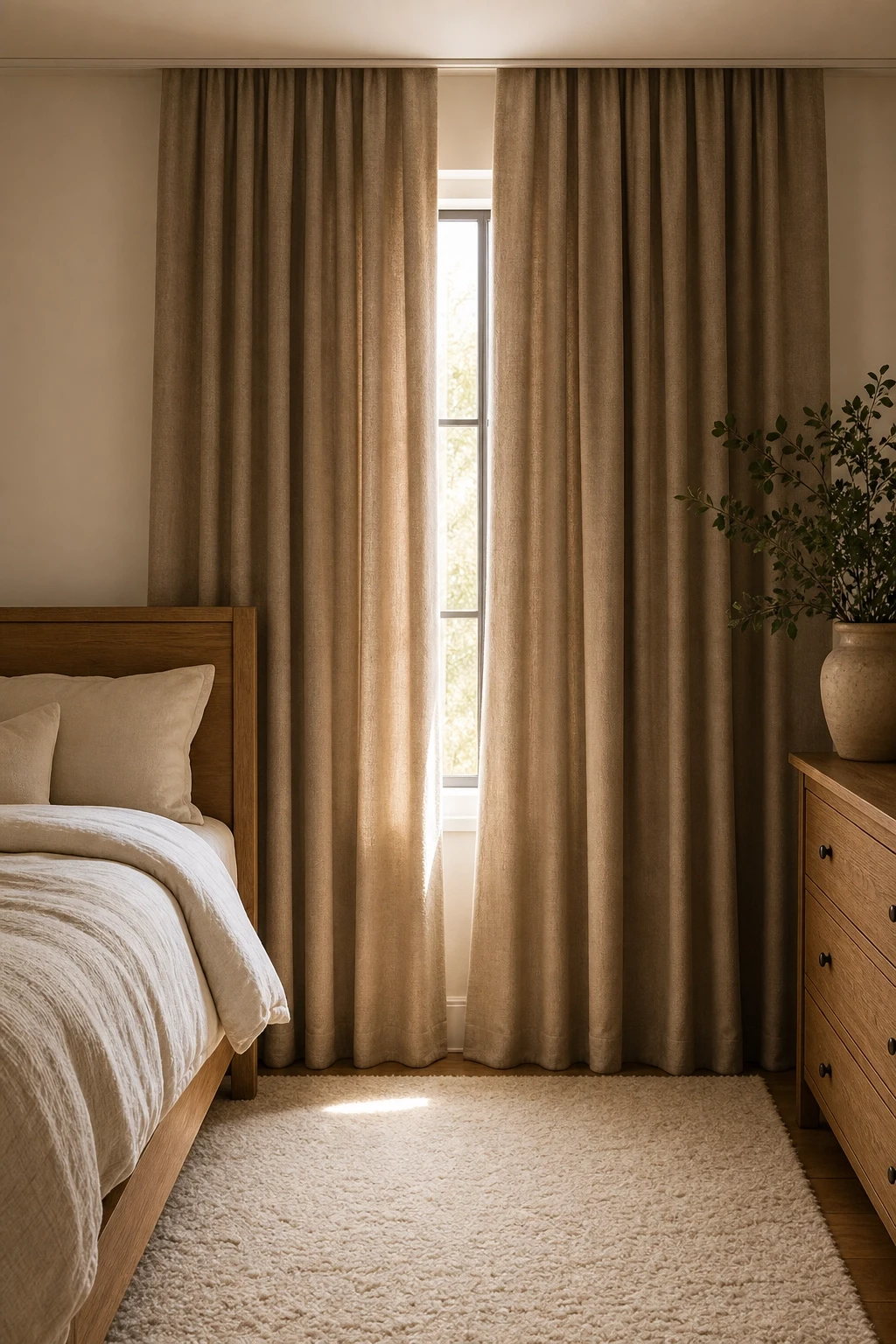
The solution is blackout curtains, but not just any blackout curtains hung any old way. The details matter. First, mount the rod as close to the ceiling as possible, not just above the window frame. This makes the room feel taller and, more importantly, stops light from sneaking in above the curtain. Second, make the curtains wide enough to extend well past the sides of the window, at least 15 to 20 centimetres on each side. Light gaps at the edges are one of the most common reasons blackout curtains do not actually work.
In terms of style, blackout curtains no longer have to look institutional or heavy. You can find them in linen textures, soft neutrals, dusty blues, and warm forest greens. A floor-length panel in a muted sage or warm linen instantly adds a layered, cozy quality to the room even during the day when they are open. For renters, tension rods and clip-ring curtain hooks make installation damage-free and easy to adjust.
Sleep Hack: If full blackout curtains are not in the budget right now, a blackout roller blind fitted directly into the window recess works almost as well and costs significantly less.
5. Add a Soft Rug Between the Bed and the Door
Cold floors are a jarring way to start and end your night. Stepping out of a warm bed onto a hard, cold floor activates your senses in a way that is the opposite of what you want when you are trying to stay in a sleepy, relaxed state. A rug right beside and around the bed creates a landing pad that feels warm, soft, and physically comfortable at any hour.
A rug also does something that often goes unnoticed in bedrooms, which is to absorb sound. Hard floors reflect noise. A rug dampens it, making the room feel quieter and more contained. If you have a partner who gets up at different times, a rug significantly reduces the sound of footsteps on wood or tile, which can make a real difference to sleep quality for both of you.
For the bedroom, natural fibres tend to work best. Wool rugs are warm, durable, and feel incredibly soft underfoot. Jute and sisal are more affordable but a bit rougher, so they work better as a layering piece under a smaller, softer rug rather than directly beside the bed. A wool or polypropylene rug in a cream, warm grey, or earthy tone works in almost any bedroom without clashing with existing colours. Size up if you can, ideally large enough that your feet land on it from every side of the bed.
Sleep Hack: If you have a hard floor bedroom and budget is tight, even a small bedside runner on each side of the bed makes the floor feel less jarring underfoot during nighttime trips to the bathroom.

6. Position Your Bed Away From the Door
This one sounds like it might be a feng shui thing, and it is, but it also makes practical sense from a comfort standpoint. Sleeping with your bed directly in line with the bedroom door creates a subconscious sense of exposure. Your brain never fully relaxes when it feels like you are too visible or too accessible, even in your own home with no real threat present.
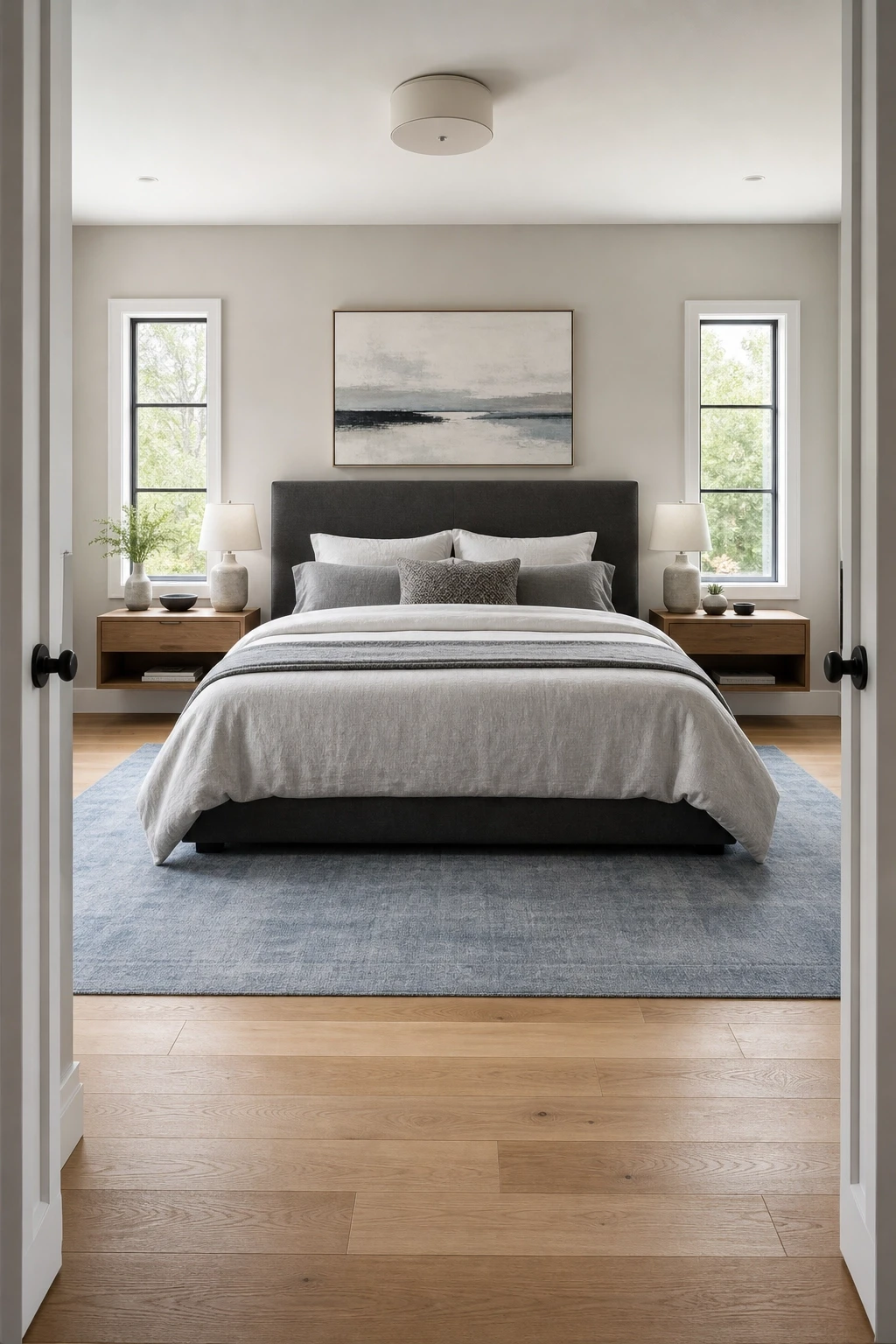
The ideal position for a bed is along the wall opposite the door, or on a side wall where you have a clear sightline to the entrance without being directly in its path. This placement gives you a sense of control over your space, and many people report sleeping more soundly after rearranging their furniture this way. It also tends to open the room up visually, giving the layout more breathing room.
While you are repositioning, think about what is beside your bed. A solid headboard against the wall adds a sense of structure and safety. Floating nightstands keep the floor clear, which makes the room feel less cluttered. Avoid stacking things on the floor directly around the bed, clothes, bags, or boxes, because clutter at bed level creates low-level visual noise that your brain registers even when you think you are not looking at it.
Sleep Hack: Once you have repositioned the bed, stand in the doorway and look at the room. It should feel calm and welcoming. If the first thing you see is clutter, address that before anything else.
7. Bring In a Scent That Signals Sleep
Smell is directly connected to the limbic system, the part of the brain that governs emotion and memory. It is one of the most powerful and underused tools in creating a bedroom that actually makes you feel relaxed. If you consistently use a particular scent in your bedroom at night, your brain begins to associate it with sleep, and over time even the smell alone starts to trigger a physical unwinding response.
Lavender is the most well-researched option. Multiple studies have found that lavender aromatherapy reduces heart rate and blood pressure and improves sleep quality, particularly for people who deal with mild anxiety or trouble switching off at night. Chamomile and sandalwood are also excellent choices, slightly warmer and more grounding than lavender. Cedarwood has a woodsy, calm quality that works beautifully in a bedroom with natural textures.
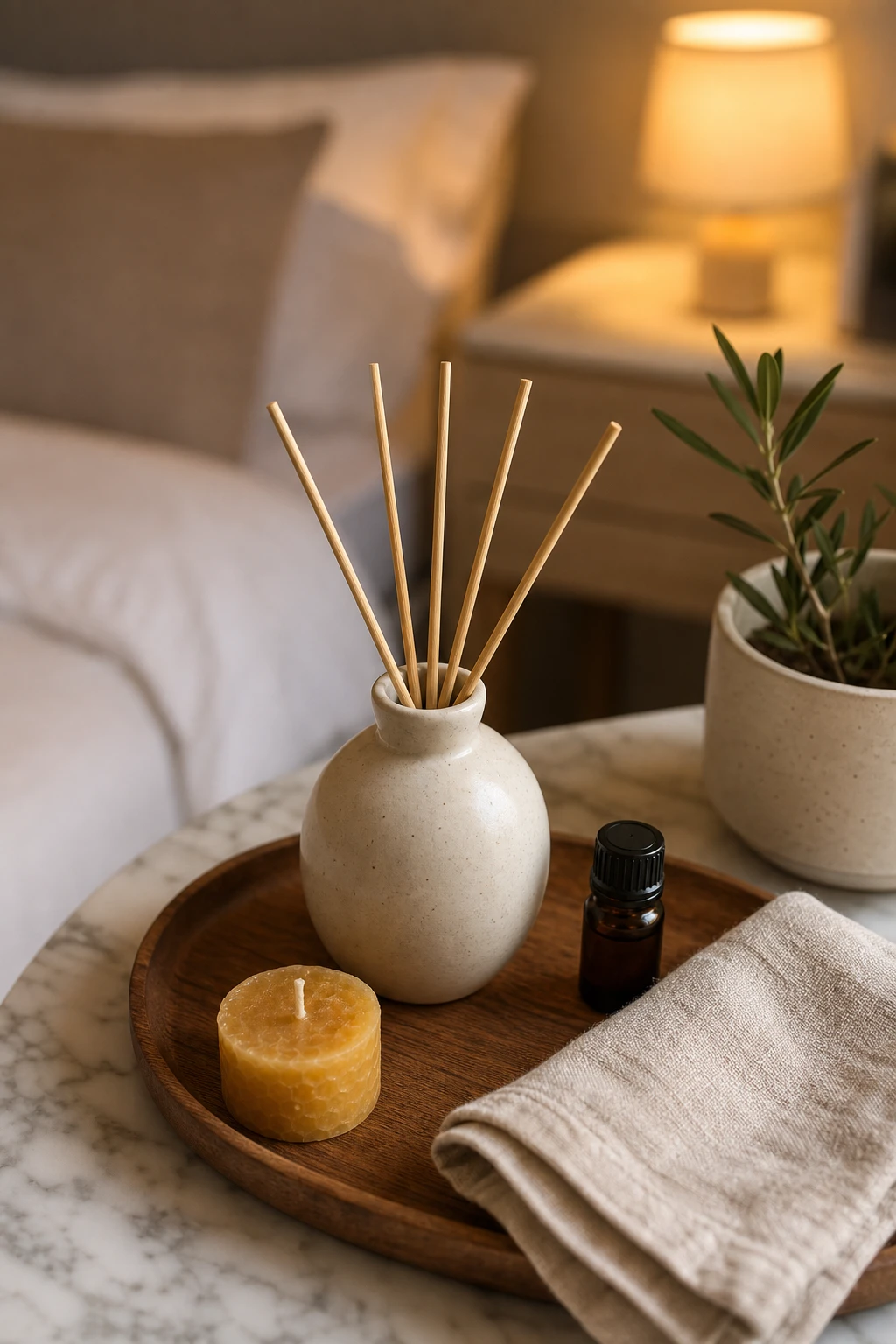
You can introduce scent in a few different ways. A reed diffuser placed on a dresser or shelf keeps a subtle, constant fragrance in the room without any effort. An essential oil diffuser lets you run it for an hour before bed and then turn it off. Linen sprays work well directly on pillowcases and duvets, and they double as a little ritual that signals your brain it is time to sleep. Scented candles work too, just make sure to blow them out before you actually fall asleep.
Sleep Hack: Keep your sleep scent for the bedroom only. The more exclusively you associate a fragrance with winding down at night, the stronger the sleep trigger becomes over time.
8. Declutter With a Purpose, Not Just Aesthetically
A messy bedroom is not just visually unappealing. It is genuinely stressful. Research has found that people who describe their homes as cluttered have higher levels of the stress hormone cortisol compared to people who describe their homes as restful and orderly. Your bedroom is the last thing you see before you close your eyes and the first thing you see when you wake up. What it looks like in those moments affects how relaxed or anxious you feel.
The goal with bedroom decluttering is not to create a stark, minimal space with nothing on the walls. It is to make sure that everything visible in the room is either functional or genuinely brings you calm. A single piece of meaningful art, a small plant, a candle on a tray, these things add warmth without creating noise. A pile of unread mail, gym clothes on the floor, a chair that has become a mountain of things to deal with later, those things stay active in your brain even when you are trying to sleep.
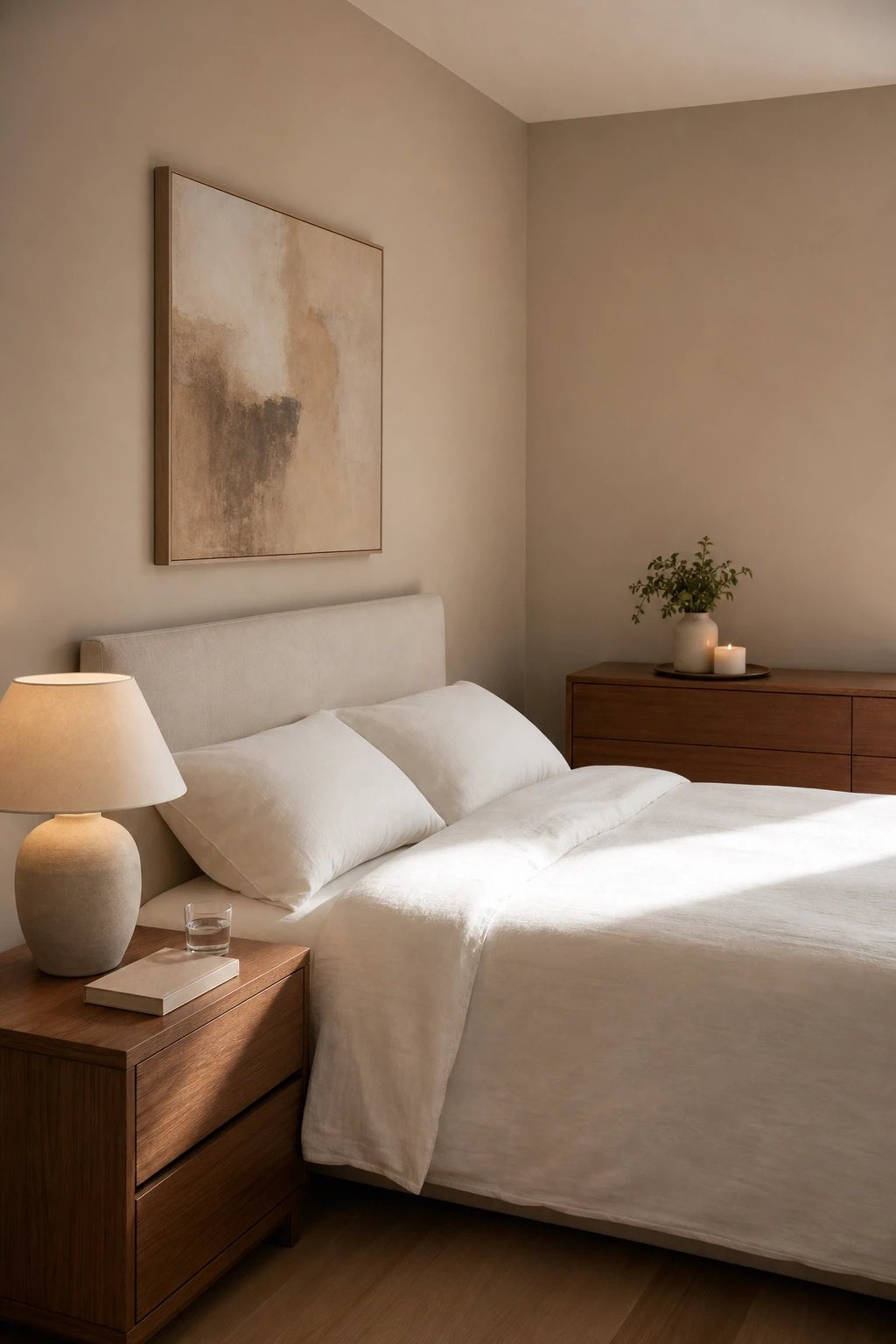
Start with the surfaces: your nightstand, dresser, and any shelves within eyeline of the bed. Clear them down to only what genuinely belongs there. On the nightstand, keep it to your lamp, a glass of water, and maybe a book. Everything else finds a drawer or a home elsewhere. Add a small lidded basket for anything you need in the room but do not want to look at. Tidiness in the bedroom does not have to be perfect, just intentional.
Sleep Hack: Keep a small basket just outside the bedroom door. Anything that does not belong in the room goes in the basket to deal with the next day, so you are not carrying clutter into your sleep space at night.
9. Add Texture Through Cushions, Throws, and Curtains
A bedroom without texture feels flat and slightly cold, even if the colours are right. Texture is what gives a room that depth and visual warmth that makes you want to curl up in it. It does not matter if your style leans more minimal or more maximalist. Layering different tactile materials is what separates a bedroom that looks finished from one that feels genuinely inviting.
Think about your bed as the main texture event. Combine a linen duvet cover with a waffle-knit throw folded at the foot, add a couple of velvet or boucle accent cushions, and the whole bed immediately has a richness that a single fabric set cannot achieve. From there, extend the texture conversation to the rest of the room. Sheer curtains layered behind heavier linen or cotton drapes look effortlessly layered. A jute or wool rug adds a natural, organic quality underfoot. A rattan pendant light or a wooden bedside lamp base brings in an earthy warmth that softens harder surfaces.
The materials that tend to work best in bedrooms are natural and breathable: linen, cotton, wool, jute, wood, and wicker. These have a warmth that synthetic materials often lack. Mixing two or three of them in the same room creates variety without chaos. A good rule is to pick one main texture, say linen for your bedding, and then bring in two supporting textures, like chunky knit and smooth wood, to create contrast without competing.
Sleep Hack: If your bedroom currently has only one or two fabric types, add a single textured throw in a warm tone and see how much the room shifts. It is one of the cheapest and highest-impact changes you can make.
10. Install a Ceiling Fan or Use a White Noise Machine
Sound is one of the most disruptive sleep factors that people underestimate. Traffic outside, a partner snoring, the refrigerator compressor kicking in, a clock ticking on the wall, any of these sounds can keep your nervous system slightly activated even when you think you are drifting off. The fix is not silence, which is actually harder to find than people realise, but rather consistent, steady background sound that masks the unpredictable noises around you.
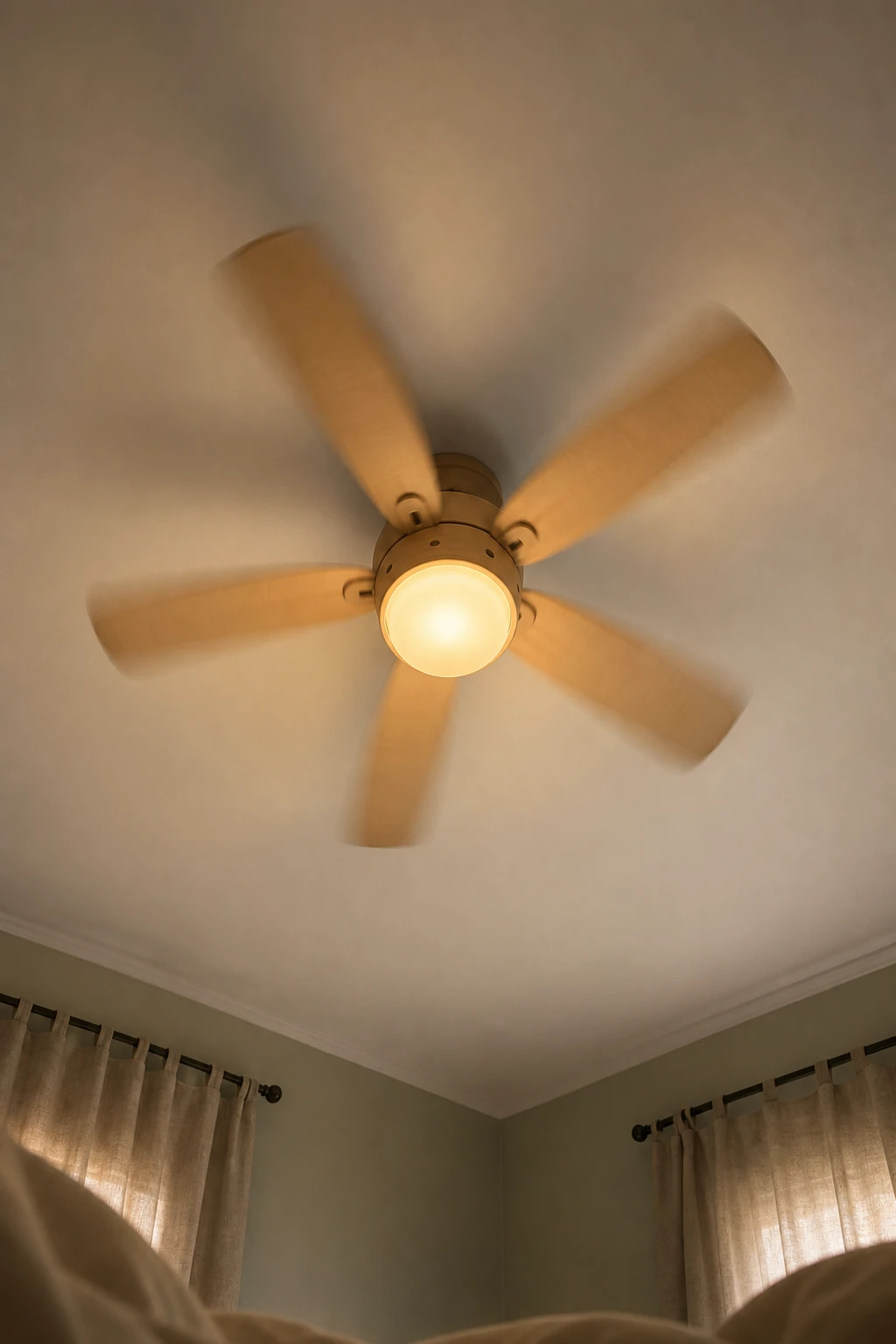
A ceiling fan is a two-for-one solution. The gentle hum creates a low, consistent ambient sound that many people find deeply sleep-inducing, and it also keeps air circulating so the room stays at a comfortable temperature. Sleep research consistently points to cooler room temperatures, around 16 to 19 degrees Celsius, as optimal for deep sleep, and a ceiling fan can help maintain that range without running full air conditioning all night.
If a ceiling fan is not an option for your space, a dedicated white noise machine placed across the room offers similar benefits. Modern white noise machines offer multiple sound settings, from straight static to rain, ocean waves, or a soft fan sound. Many people who travel frequently swear by them for sleeping in hotel rooms or unfamiliar environments. A small one costs less than a good lamp and does its job quietly, every single night.
Sleep Hack: If you wake frequently during the night, try a white noise machine for one week and track whether your sleep feels more continuous. Most people notice a difference within the first two or three nights.
11. Create a Dedicated Reading Corner
Reading before bed is one of the most effective wind-down habits you can build into your evening, but the setup matters. Reaching over to grab a book from a cluttered nightstand while balancing under a bright overhead light is not exactly the immersive, calming experience that makes reading feel like a genuine escape. A small dedicated reading corner gives you a physical anchor for that part of your routine and makes the habit much easier to stick to.
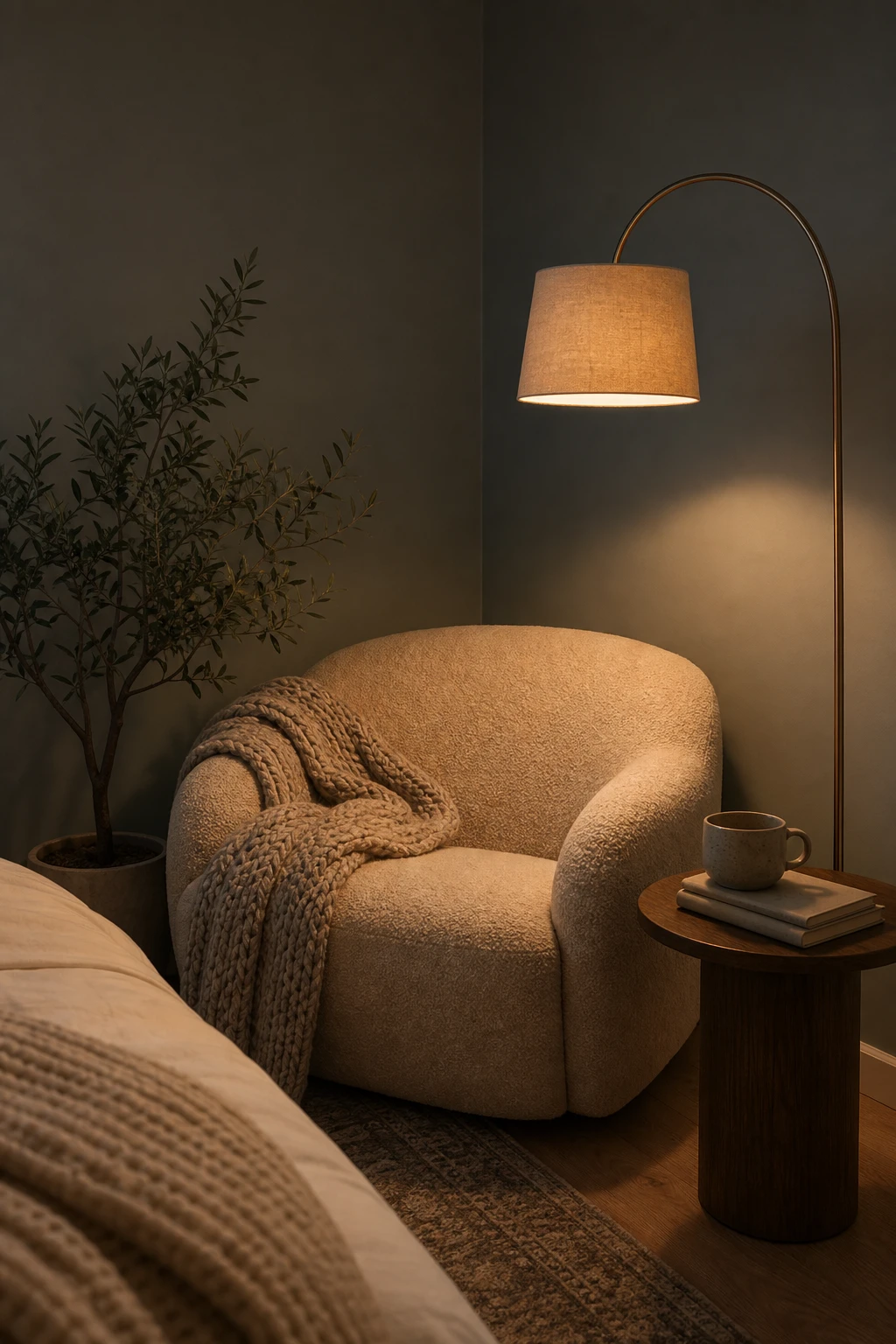
You do not need a lot of space for this. A cozy armchair or a small loveseat tucked into a corner of the bedroom works well. Look for a chair with good back support and wide, deep cushions so you can actually get comfortable without shifting around. A small side table for a cup of tea or a glass of water, a tall floor lamp with a warm-toned bulb placed over your reading shoulder, and a small basket or tray for current books and a candle rounds out the setup perfectly.
The chair itself should feel distinct from your bed so your brain understands the purpose of each space. The bed is for sleeping. The chair is for reading and winding down. This kind of intentional zoning, even in a small bedroom, helps condition your brain over time so getting into bed carries a much stronger sleep association. Style the chair with a textured cushion and a throw blanket so it looks inviting enough to actually use every evening.
Sleep Hack: Keep the floor lamp on a smart plug or a timer so it automatically dims or turns off after an hour. That way you are not fighting the urge to read one more chapter into the early hours.
12. Use Plants Strategically for Air Quality and Calm
Plants in the bedroom divide opinion, mostly because of outdated concerns about them releasing carbon dioxide at night. In reality, the amount of CO2 a houseplant produces at night is negligible and poses no risk in a normal bedroom. What plants do bring is proven value: certain varieties actively filter toxins from the air, increase humidity, and have a visually calming effect that genuinely contributes to the restful quality of a room.
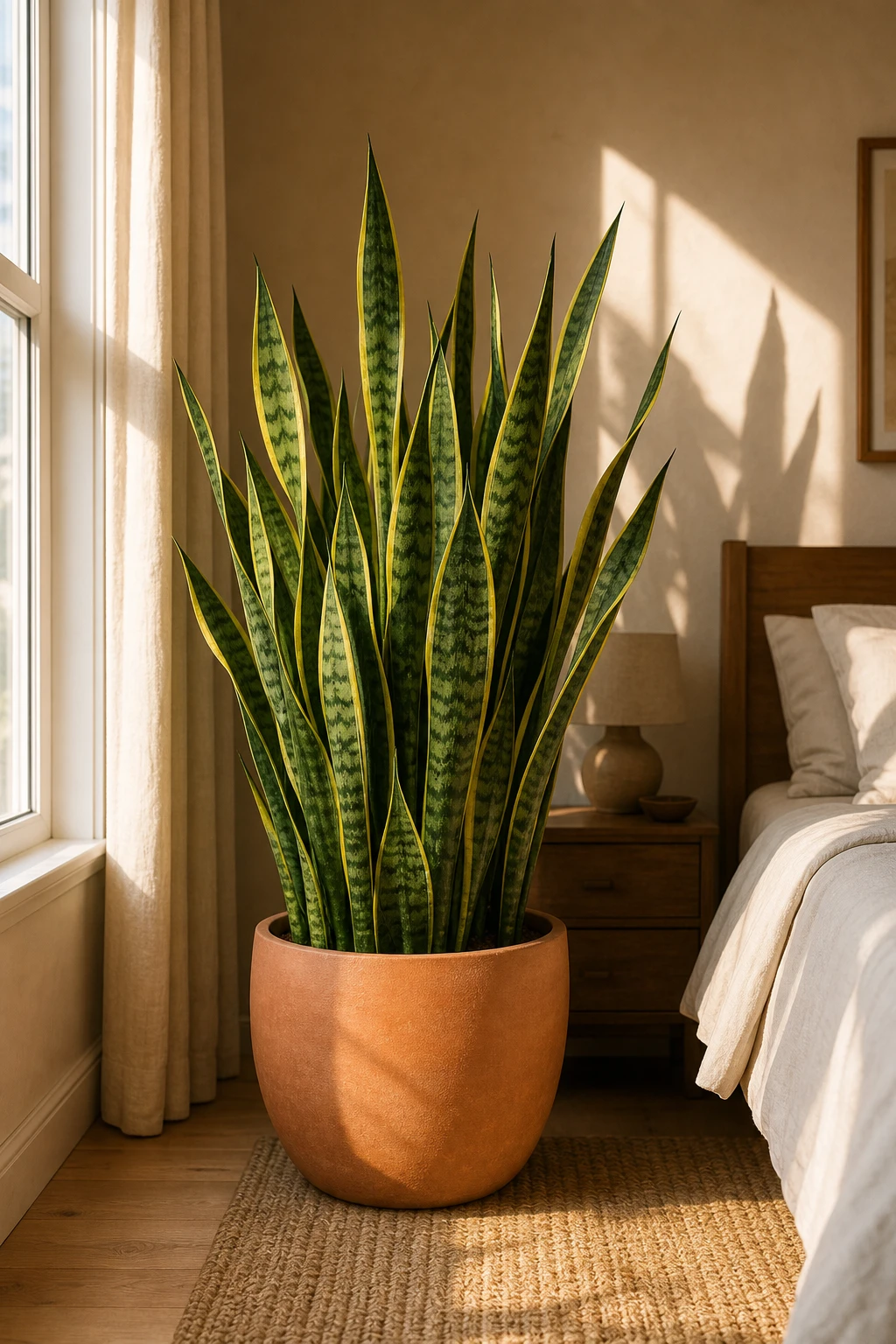
For the bedroom specifically, the best choices are those that either purify air well or release oxygen even after dark. Peace lilies thrive in low light, tolerate dry air, and are excellent at filtering airborne chemicals. Snake plants are almost indestructible, require very little water, and were famously highlighted in NASA research for their air-purifying properties. Lavender as a potted plant on a sunny windowsill pulls double duty as both a visual element and an aromatic one.
In terms of placement, bedside plants in small pots look lovely but they need to actually survive, so match the plant to the light your bedroom receives. A trailing pothos on a shelf or a medium snake plant in a corner look intentional without being fussy. Use simple terracotta pots or matte ceramic vessels in earthy tones. Avoid plastic pots with bright colours since they break the calm aesthetic you are working to build in the rest of the room.
Sleep Hack: If you tend to forget to water plants, a snake plant or ZZ plant is nearly impossible to kill. They do well in low light and only need watering once every two to three weeks, making them ideal for bedrooms.
13. Create a Consistent Nighttime Ritual Using Your Space
The final hack is less about a single product or piece of furniture and more about how you use your bedroom as a whole. Your brain is highly responsive to routine and pattern. When you do the same sequence of things in the same space every night before sleep, those activities begin to carry a powerful sleep signal. Over time, even just entering the bedroom and starting the routine starts to make you feel sleepy, because your brain has learned what comes next.
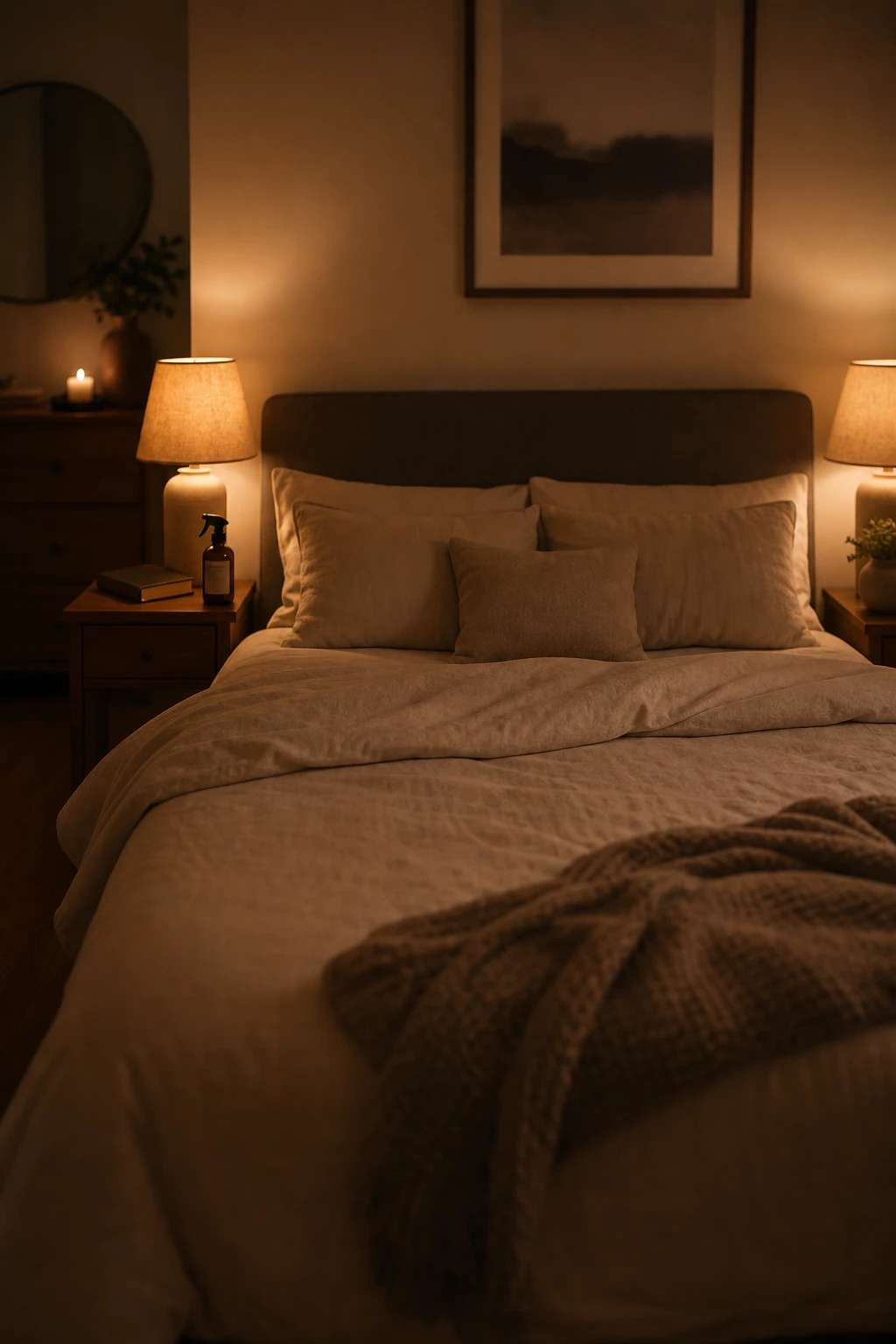
A bedroom that is set up with intention makes it easy to build this kind of routine. You dim the lights and the warm glow of your bedside lamps replaces the overhead light. You spray your pillow with the lavender linen spray you keep on your nightstand. You settle into the reading chair with the throw pulled over your legs and the floor lamp angled over your shoulder. After twenty or thirty minutes, you move to the bed, which is already layered and inviting, and you are genuinely ready to sleep.
The physical environment is the scaffolding for the habit. When the room is calm, tidy, and set up for rest, the routine almost happens naturally. When it is chaotic or cluttered or lit like an office, the routine falls apart. Start with two or three of the hacks in this article, get those bedded in, and then build from there. A better bedroom and a better sleep are not separate goals. They are the same goal approached from different angles.
Sleep Hack: Write down the three things that most reliably help you feel sleepy and design your bedroom to support all three of them. Everything else is secondary.
Final Thoughts
Sleep is not a passive thing that just happens or does not happen to you. It is heavily influenced by the environment you have created around it. Every one of these 13 hacks is a way of making your bedroom a more active participant in your rest rather than just the room where your bed lives. Some of these changes will take an afternoon. Some will take less than five minutes. None of them require a decorator or a renovation budget.
The most important thing is to start somewhere. Pick one idea from this list that resonates with you, something that genuinely sounds like it would make your bedroom feel better, and do that one thing first. See how it feels. Then come back and pick another. Gradually, your room will shift from a place where you happen to sleep into a space that is genuinely built for it. And the difference in how you feel in the morning will be very noticeable.
Frequently Asked Questions
How do I make a small bedroom feel more cozy without making it feel cramped?
The trick with small bedrooms is to focus on height and softness rather than adding more items. Hang curtains as high as possible to draw the eye up. Use a large rug that extends past the sides of the bed. Layer soft textures on the bed. A few well-chosen pieces in warm tones will always feel cozier than a lot of smaller items scattered around.
What is the best wall colour for a bedroom if I want to sleep better?
Muted, cool-to-neutral tones tend to work best. Soft blue-grey, dusty sage, warm taupe, and chalky off-white are all excellent choices. Avoid anything too saturated or warm, like deep red or bright orange, as these colours can feel stimulating rather than calming. If you cannot paint, introduce your preferred calm colour through large textiles instead.
Do plants in the bedroom actually improve sleep?
Yes, with some caveats. Plants like snake plants, peace lilies, and pothos can improve air quality and add a visual calm to the room. The concern about CO2 at night is largely overstated. The key is choosing plants that match your bedroom’s light levels so they actually stay healthy and contribute to the room rather than becoming something else to feel stressed about.
Is it worth investing in blackout curtains even if I do not wake up early?
Absolutely. Blackout curtains are not just for early risers. Light pollution from streetlights and passing cars can disrupt the depth of your sleep even when you are not consciously aware of waking up. A fully dark room allows for deeper, more restorative sleep cycles. Most people who install them report feeling more rested even if they do not notice waking less often.
How much does it cost to make a bedroom more sleep-friendly?
You can make meaningful changes on almost any budget. Swapping light bulbs costs a few dollars. A linen spray or reed diffuser is under twenty. A soft throw from a home goods store can be found for thirty to fifty. The bigger investments like blackout curtains, a rug, or a new duvet can be phased in over time. Start with the lowest-cost changes first and add from there.
Can rearranging furniture really affect how well I sleep?
It can, more than most people expect. Bed placement in particular has a significant effect on how secure and settled you feel at night. Positioning the bed so you have a clear sightline to the door without being directly in its path, and ensuring you have solid wall support behind the headboard, both contribute to a subconscious sense of safety that allows your nervous system to relax more fully during the night.