White and Brown Kitchen Looks That Feel Both Warm and Pulled Together
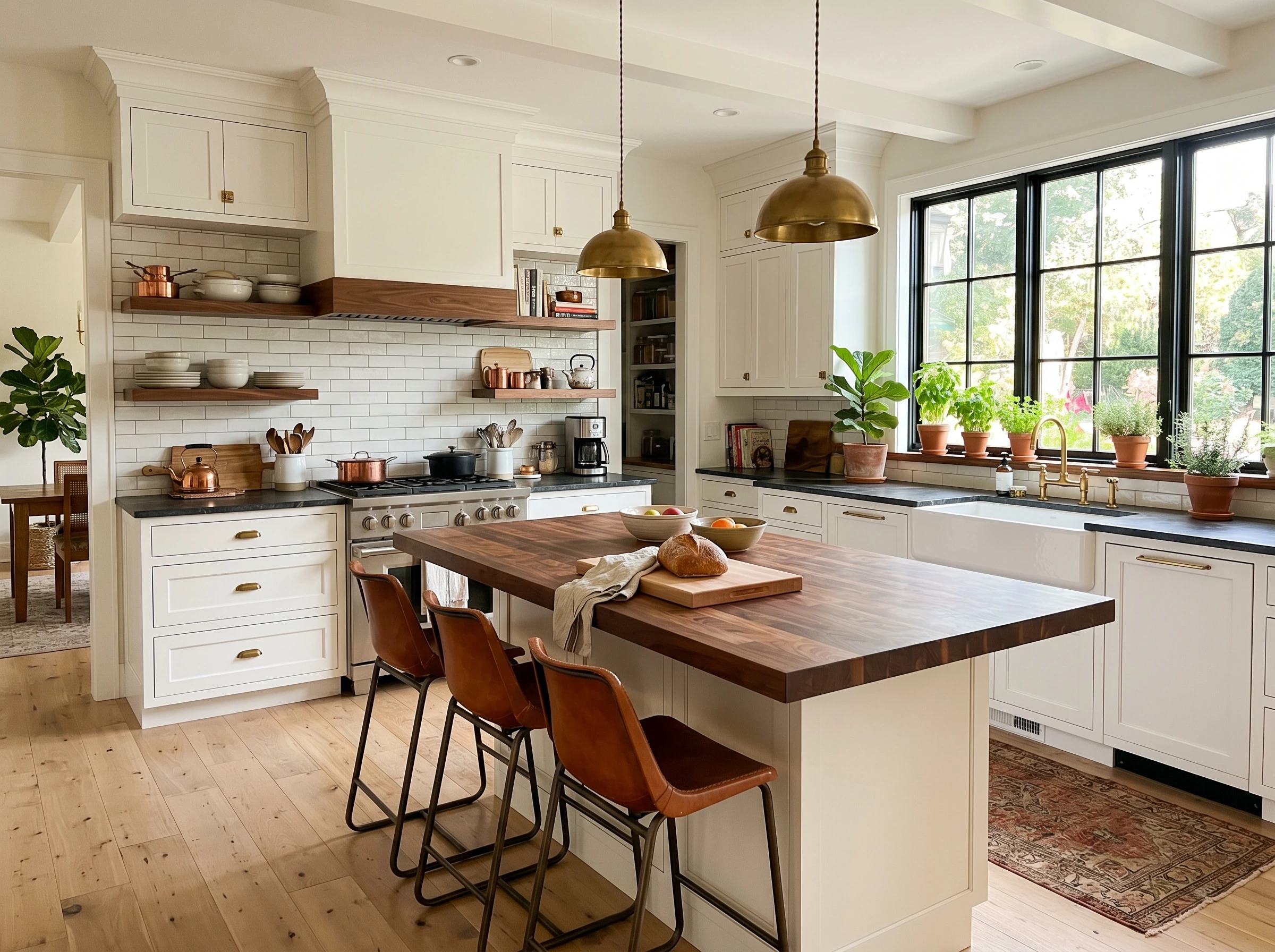
There is a moment that happens in almost every home renovation story. You have spent weeks scrolling through inspiration photos, and you land on a kitchen that just feels right. Not loud, not cold, not trying too hard. Just warm, balanced, and genuinely beautiful. More often than not, that kitchen is built around white and brown. It is one of those combinations that sounds simple on paper but delivers something far more layered and interesting in real life.
White brings brightness, a sense of space, and that clean backdrop that makes everything else pop. Brown, whether it shows up in wood tones, leather bar stools, terracotta accessories, or a walnut countertop, adds the kind of depth and warmth that keeps a kitchen from feeling sterile or impersonal. Together, they create a palette that works across styles from modern farmhouse to organic contemporary to classic transitional.
What makes this pairing so enduring is how many different versions of it exist. You can go light and airy with creamy white cabinets and blonde oak shelving, or bold and dramatic with crisp bright white walls against rich dark walnut cabinetry. You can skew rustic, you can skew sleek, you can land somewhere completely in between. The color combination bends to your vision rather than forcing your kitchen into a single mold.
This article walks through fifteen distinct ways to bring white and brown into your kitchen, each one with a clear design direction, practical suggestions, and specific ideas for color, furniture, lighting, and styling. Whether you are doing a full renovation or just looking to refresh what you already have, there is something here you can actually use.
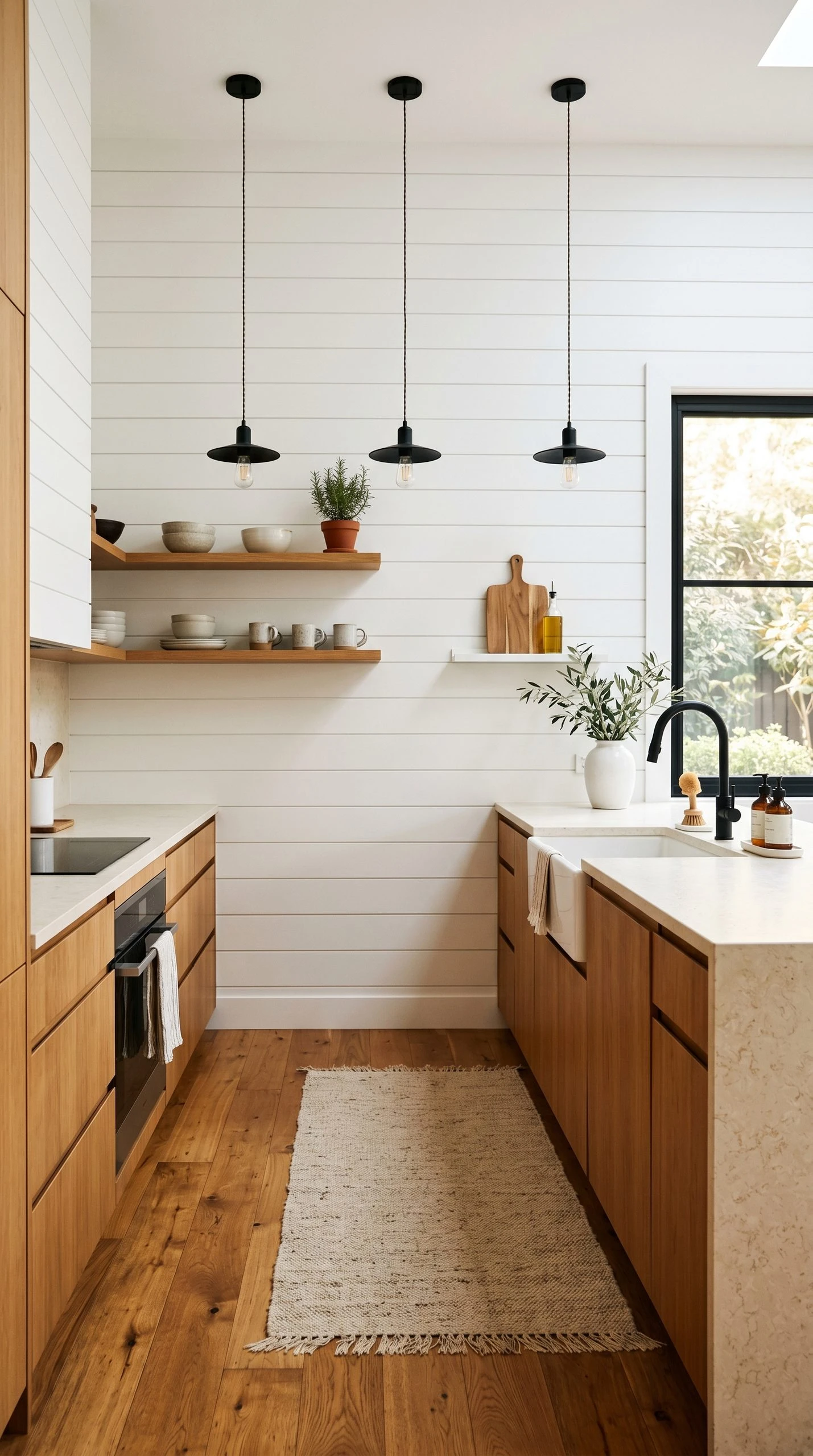
1. Warm Oak Cabinets with White Shiplap Walls
Picture this: you walk into a kitchen that immediately makes you want to pour a cup of coffee and stay awhile. The walls are crisp white shiplap, the cabinets are a warm medium oak, and the whole room feels like it belongs in a countryside home that has been updated for the way people actually cook and live now. This is the kind of kitchen that gets photographed and pinned constantly, and for good reason.
The shiplap brings texture to the white without requiring pattern or wallpaper, making the walls feel intentional rather than plain. Pair this with flat-front oak cabinets in a natural finish, one that shows the wood grain and brings some variation into the space. The countertops should stay light, either white quartz or a cream-toned stone, to keep the upper half of the kitchen feeling open and bright. Add open wood shelving above the counter on one wall to carry the natural material upward and give you a place to display pottery, plants, and everyday items.
For flooring, wide-plank hardwood in a honey or caramel tone keeps everything cohesive without being too matchy. Pendant lights in a matte black or aged brass finish hang well over an island in this setup, adding a bit of contrast without disrupting the warmth. A linen or natural cotton runner in front of the sink pulls it all together beautifully.
Designer Advice: Keep the oak finish natural rather than stained. A natural oil or matte lacquer lets the wood breathe and gives the kitchen a genuinely organic quality that stained finishes often lose.
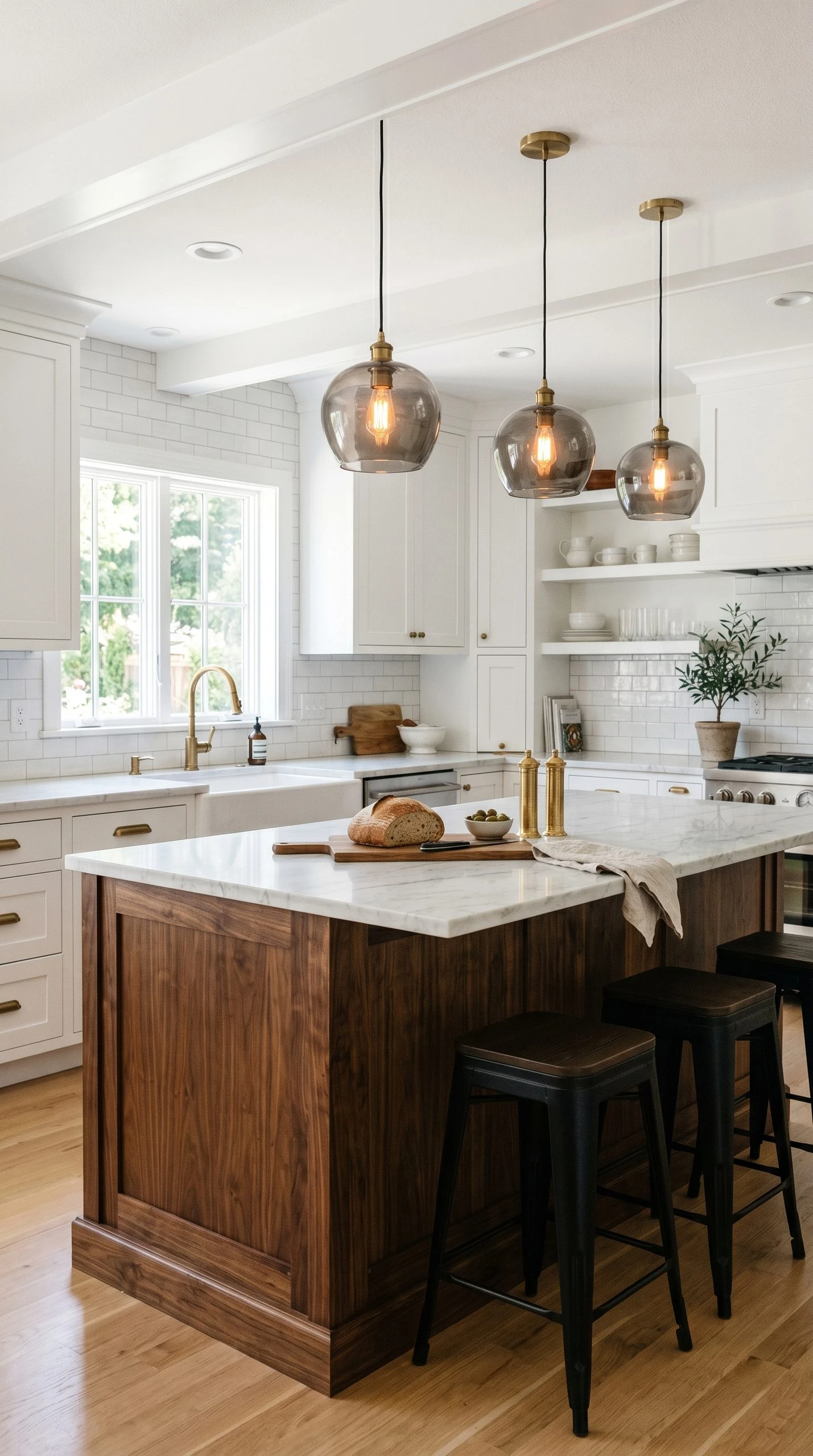
2. White Cabinets with a Dark Walnut Island
Someone once told me that a kitchen island should feel like a piece of furniture rather than a built-in appliance station. This idea takes that seriously. Imagine a kitchen where all the perimeter cabinets are a bright, clean white, and the island in the center is finished in a deep, rich walnut stain. The contrast is immediate and striking, but it does not feel forced because wood and white have been paired in kitchens for centuries.
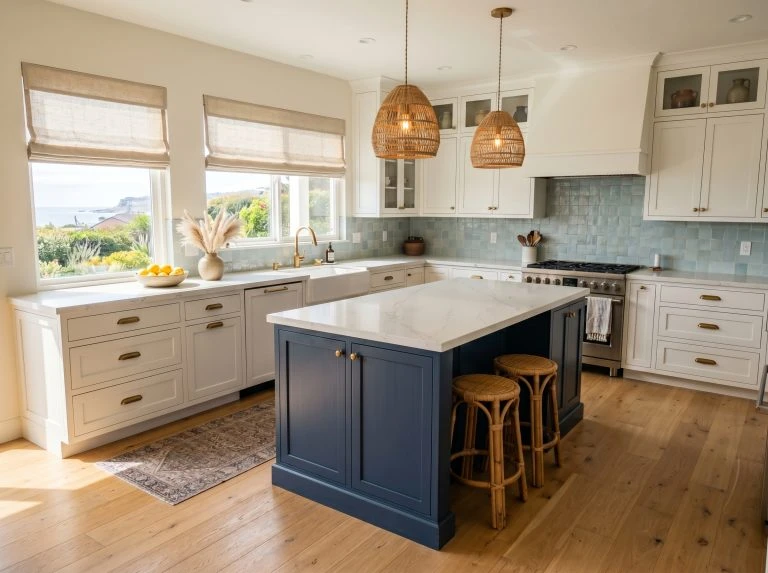
The walnut island becomes the focal point of the room without demanding anything from the surrounding space. Keep the island top in a complementary material such as white marble with thin gray veining or a butcher block surface in a slightly lighter wood tone to create some layering. Seating at the island should be simple, low-back bar stools in black metal or natural leather to avoid competing with the wood for attention.
Lighting above the island is where you can add some personality. Statement pendants in smoked glass or antique brass work beautifully here, casting warm light downward onto the walnut surface and making the whole setup feel more elevated. Pull out a brass cabinet knob on the white perimeter cabinets to connect the metals and finish the look with a cohesive detail.
Designer Advice: If walnut feels too dark for your space, try using it only on the lower cabinets of the island while keeping the upper portion white. This creates the contrast effect with a lighter hand.
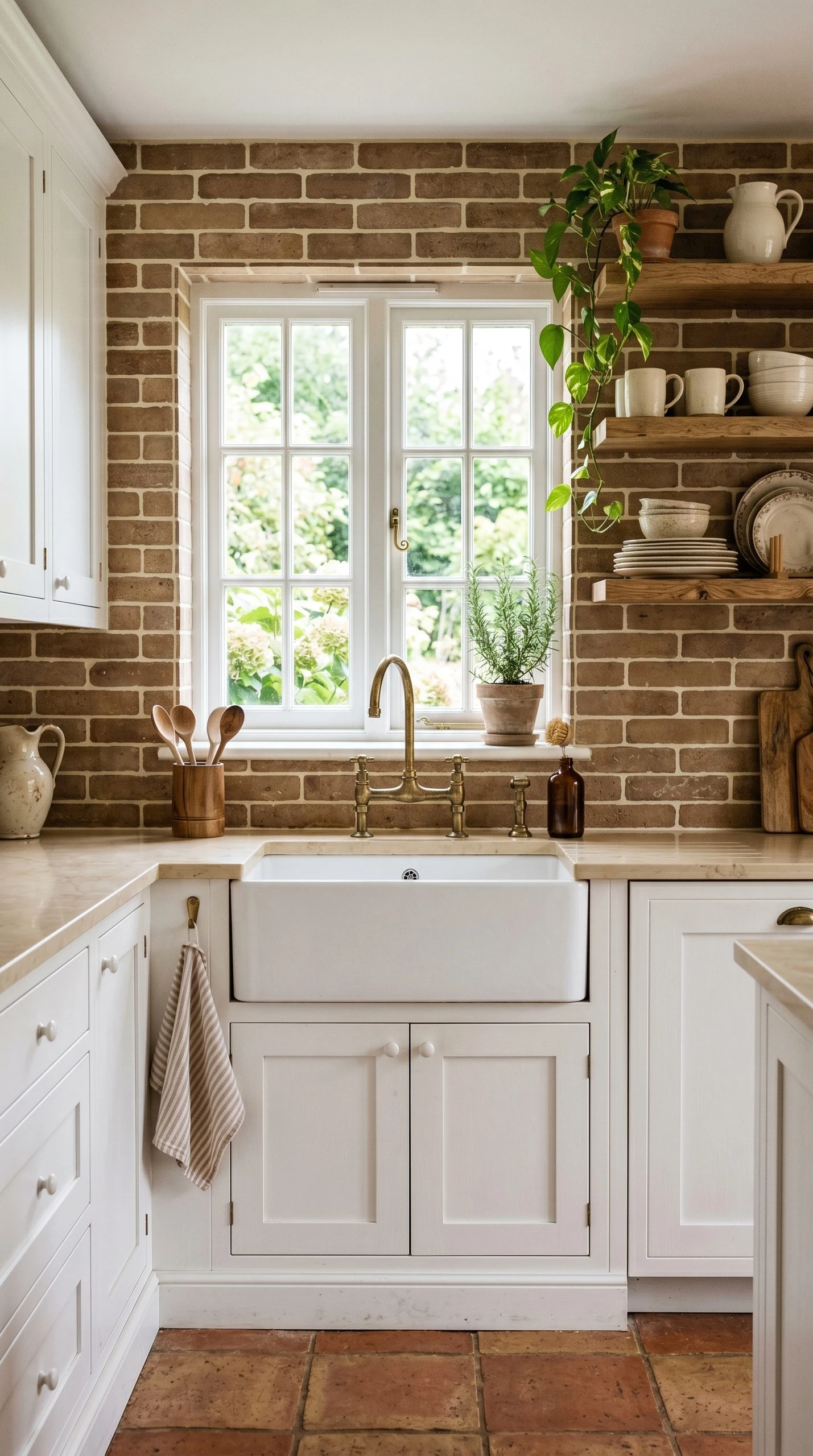
3. Farmhouse Kitchen with White Painted Cabinets and Brown Brick Backsplash
You know those kitchens that look like they have always been there, like the house was built around them? That is exactly the feeling this combination creates. White painted cabinets, the kind with simple flat fronts or a subtle shaker profile, sit against a backsplash made of real or brick-effect tiles in a warm terracotta-adjacent brown. The result is rustic without being dated, and modern without being cold.
Brown brick brings a rawness and texture to the kitchen that most backsplash materials cannot replicate. It bounces light differently throughout the day, looks incredible in evening candlelight, and develops a richer character the longer it is in your home. Keep the grout in a warm white or cream rather than a stark bright white so the mortar lines feel soft and organic. Pair this with butcher block countertops if your budget allows, or choose a cream quartz with subtle movement for a similar warmth.
Open wood shelving above the range, a farmhouse sink, and vintage-style bridge faucet in aged brass or oil-rubbed bronze complete the look beautifully. The flooring can be terracotta tile for a Mediterranean lean or wide-plank pale pine for something more Scandinavian-adjacent. Either works with this palette.
Designer Advice: Real brick is heavy and can affect wall structure, so consider brick-effect porcelain tiles instead. They photograph identically and install like any standard tile.
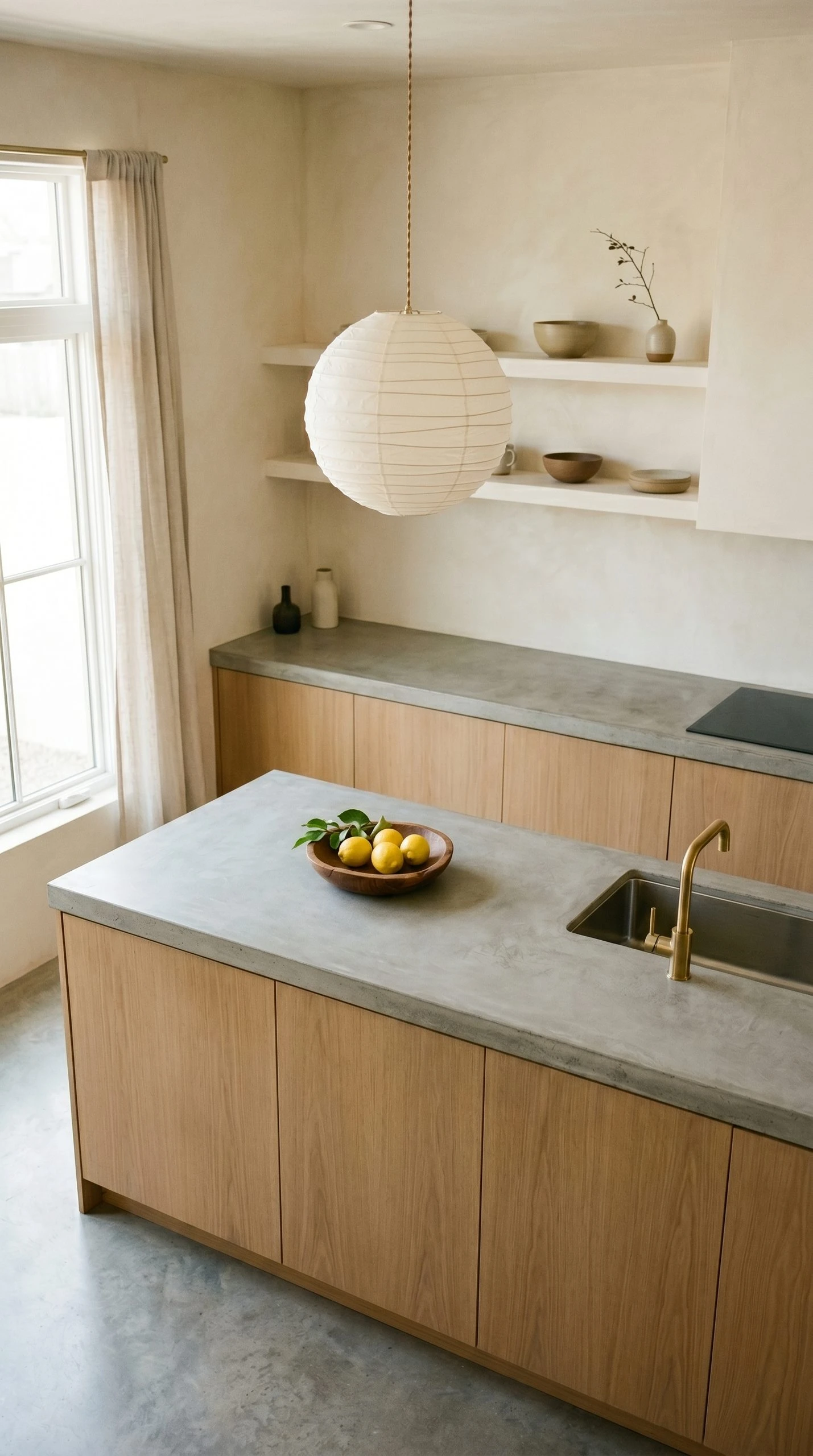
4. Japandi-Inspired Kitchen with White Walls and Light Wood Accents
A friend who recently renovated her kitchen described wanting it to feel like a deep exhale. She landed on Japandi, and the result was one of the most peaceful kitchens I have seen. The approach blends Japanese minimalism with Scandinavian warmth and produces something that is spare without being cold, and cozy without being cluttered.
In a Japandi white and brown kitchen, the white is typically a warm off-white rather than a crisp bright tone. Think linen, rice paper, or a barely-there greige. The brown comes in through very pale, natural wood: white oak or ash cabinetry, a bamboo cutting board left on the counter, rattan drawer pulls, or a simple wood bowl filled with citrus fruit. The materials are intentionally understated. Nothing competes. Everything is there for a reason.
Countertops in this style often go matte, either a honed concrete-look quartz or a natural stone with a flat finish rather than a polished one. Hardware is minimal, often hidden push-to-open mechanisms or simple bar pulls in a warm bronze. Lighting should be low and warm, think paper lantern pendants, slim LED strips under cabinets, and a flush-mount ceiling fixture with a natural material shade. Keep surfaces clear and only display what you genuinely use.
Designer Advice: Negative space is part of the design in Japandi kitchens. Resist the urge to fill every shelf. Three items displayed intentionally will always look better than twelve things crowded together.
5. Moody Two-Tone Kitchen: White Uppers, Dark Brown Lowers
There is something about the two-tone cabinet trend that just makes sense. It follows the logic of how kitchens are actually used and how the eye naturally moves through a space. The lower cabinets take the most visual weight, the most daily wear, and the most grease splatter. Making them dark is a practical and beautiful choice. Keeping the uppers white maintains the sense of light and openness that most kitchens need.
In this version, the lower cabinets go deep brown, somewhere in the range of a rich espresso, chocolate, or a warm near-black with brown undertones. The upper cabinets stay white or off-white, and the space between them, typically the backsplash zone, gets a white subway tile or a simple neutral stone to act as a visual bridge. The countertop can pick up the lighter tone with a white quartz or swing toward the darker palette with a black granite that has warm undertones.
This setup works particularly well in kitchens where the ceiling height is lower or the square footage is smaller because the white on top keeps things from feeling boxed in. The dark base grounds the room and gives it weight. Add brushed gold or warm brass hardware on the dark cabinets to make the brown tones sing, and choose the same hardware in a slightly smaller size on the white uppers for consistency.
Designer Advice: The dividing line between your upper and lower cabinets does not have to fall at the standard counter height. Consider running the dark color up to the underside of the upper cabinet box for a more intentional, design-forward effect.

6. White Kitchen with Brown Rattan and Wicker Details
Someone who decorates intuitively often lands on the right answer before they can articulate why. Rattan in a kitchen full of white cabinetry just feels correct. It adds warmth, it adds texture, it adds a relaxed quality that makes the space feel genuinely lived in rather than staged. And it does all of this without adding another paint color or a major material change.
Rattan and wicker can come into the kitchen in several ways. Bar stools with a woven rattan seat and a pale wood or white frame are the most common entry point and one of the most effective. Pendant lights with a rattan or jute shade cast a beautiful dappled light downward and create instant warmth. You can also look for cabinet inserts where rattan webbing replaces glass panel fronts, giving upper cabinets a soft, organic texture that catches the eye.
The rest of the kitchen can stay very clean. White shaker or flat-front cabinets, simple white walls, and a light stone countertop give the rattan room to read as a deliberate design choice rather than a random addition. A brown leather strap on a hanging pot rack, a woven placemat on the counter, or a basket storing produce on a lower shelf all carry the material language through the room at a low cost.
Designer Advice: Keep the rattan tones consistent throughout the kitchen. If your bar stools have a golden rattan, choose a pendant shade in a similar honey or caramel tone rather than a darker brown, so the naturals read as a cohesive palette.

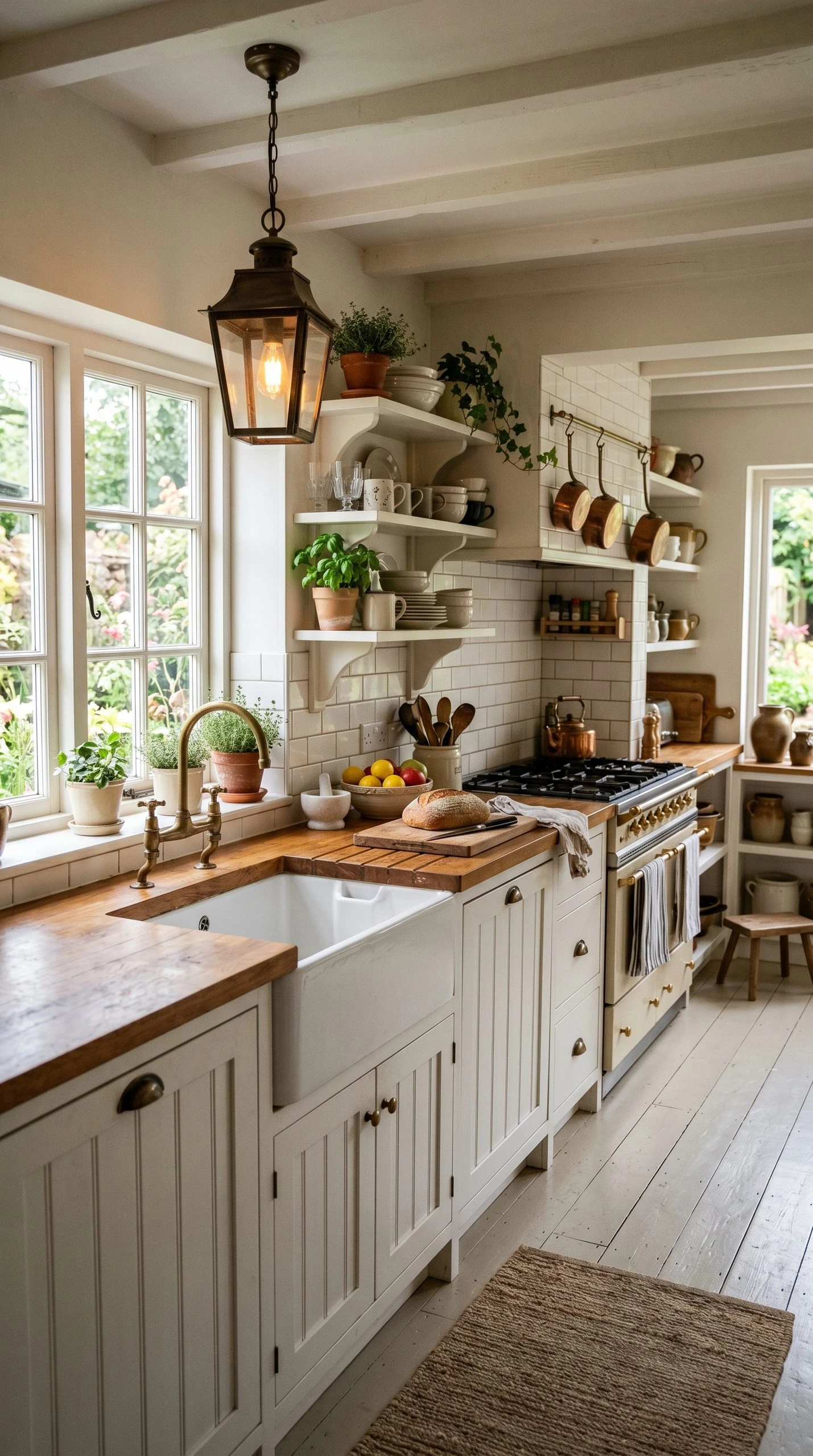
7. Rustic Cottage Kitchen with Beadboard Cabinets and Brown Butcher Block
There is a romantic quality to a cottage-style kitchen that newer design movements have not managed to replace. The beadboard cabinet doors, the apron-front sink, the wood countertops worn smooth by decades of chopping and kneading. It speaks to something genuinely comforting about the idea of food and home. This version updates the cottage kitchen with the white and brown palette in a way that honors its roots while feeling fresh.
Beadboard cabinet fronts in a chalky, matte white set the foundation. The vertical lines of the beading add texture and visual interest to the cabinetry without any added color. Pair them with butcher block countertops in an oiled medium brown, the kind that looks better as it picks up use marks over time. The aging process of well-maintained butcher block is genuinely beautiful and gives the kitchen a personality no manufactured surface can replicate.
White subway tiles behind the range and a farmhouse sink in white fireclay anchor the space. Painted wood open shelving in a matching white holds everyday ceramics, glassware, and a potted herb or two. Lighting should lean vintage: a simple lantern pendant, wall-mounted sconces on either side of a window over the sink, or a linear bar light in an aged iron finish. A painted floor in a pale stone gray or a vintage-look tile can add a charming finishing touch.
Designer Advice: Oil your butcher block countertops every few months with food-grade mineral oil. It takes about fifteen minutes, keeps the wood from drying and cracking, and deepens the color in the most satisfying way.
8. Modern White Kitchen with Brown Leather Bar Stools and Brass Fixtures
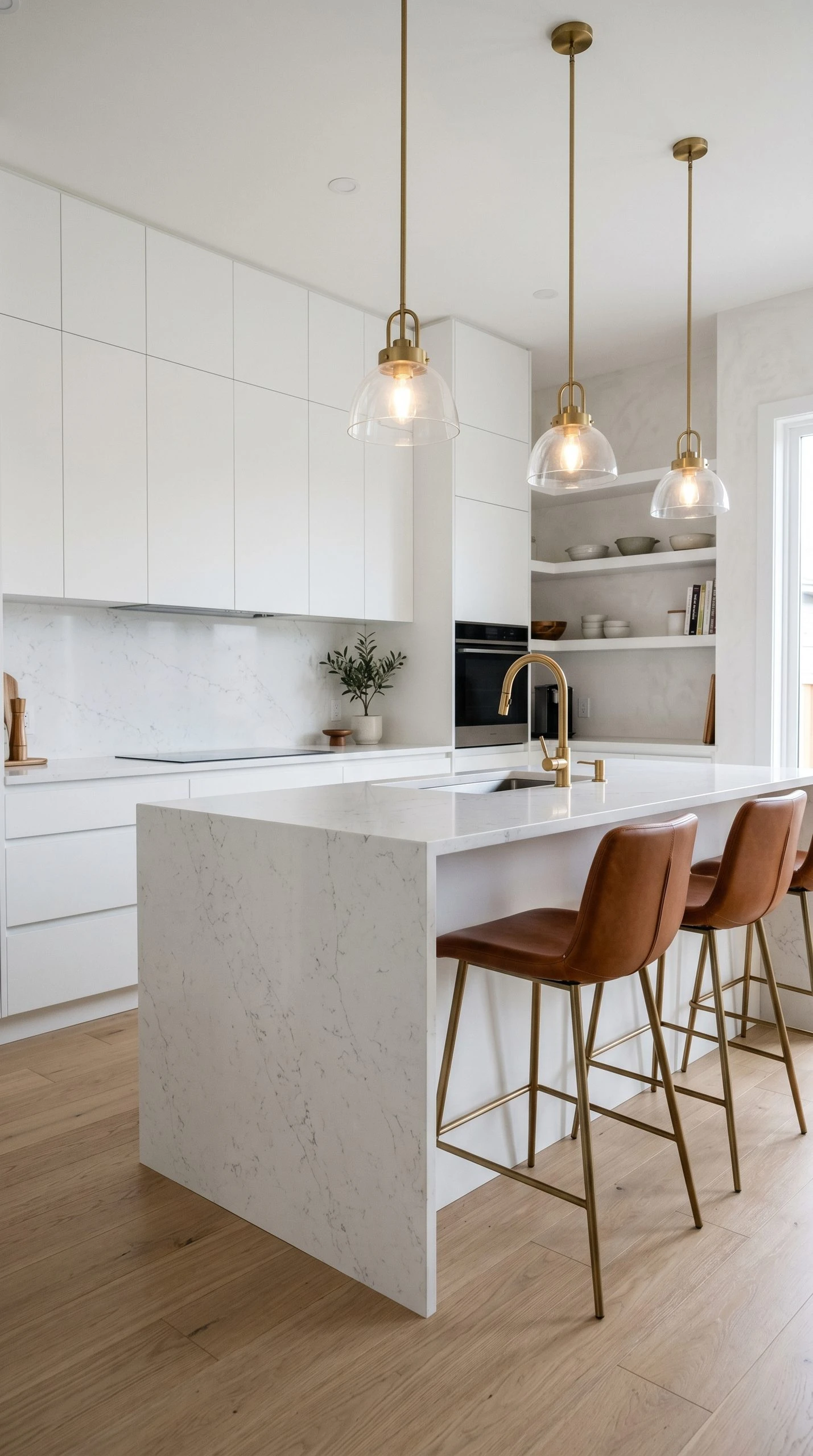
Some people come to realize that their kitchen renovation kept feeling unfinished even after everything was installed. The cabinets were right, the countertops were right, but something was missing. Nine times out of ten, the answer is the seating and the fixtures. Leather bar stools and brass accents do for a kitchen what a good belt and shoes do for an outfit. They complete it.
In this design, the kitchen itself is crisp and modern. Flat-front white cabinets with no visible hardware, a waterfall-edge white quartz island, and integrated appliances for a streamlined look. The brown comes in entirely through the seating and the metal finishes. Cognac leather bar stools, the kind with a simple metal base and a padded seat in a rich caramel-toned leather, bring warmth and a material contrast that white quartz cannot provide on its own.
Brass fixtures at the sink, brass cabinet pulls if you decide to add them, and brass light fixtures above the island pull the metal into multiple points of the kitchen so it reads as a design choice rather than an afterthought. The effect is a kitchen that feels simultaneously clean and warm, modern and inviting. Keep the walls white or a very pale warm gray to let the brass tones breathe and catch the light properly.
Designer Advice: Choose unlacquered or living brass for fixtures if you want them to develop a natural patina over time. If you prefer them to stay bright, go with PVD-coated brass, which is more resistant to tarnishing.
9. Open-Concept Kitchen with White Cabinetry and Brown Exposed Ceiling Beams
Anyone who has walked into a kitchen with exposed wooden ceiling beams knows the feeling. The eye goes up, the room suddenly feels taller, and there is an architectural warmth that no pendant light or paint color can replicate on its own. When those beams are a rich natural brown and the kitchen below them is white, the pairing is quietly spectacular.
For this to work, the beams should feel intentional, not decorative. Whether they are original structural beams left exposed during a renovation or installed faux beams in a stained wood finish, they should read as part of the architecture rather than an applique added as an afterthought. Keep them in a natural or lightly oaked brown rather than going very dark, as deep beams against a white kitchen can start to feel heavy rather than warm.
The kitchen below the beams should be kept deliberately simple so the ceiling becomes the star. White shaker cabinets, a classic white subway tile backsplash, and a light stone countertop let the beams do the heavy lifting visually. Choose pendant lights in a dark metal or wrought iron that echo the wood tones and hang at a height that does not obscure the ceiling detail. Bare filament bulbs or amber glass shades add to the rustic quality without overwhelming it.
Designer Advice: If your ceilings are lower than nine feet, keep beam depth minimal, around four to six inches maximum. Deep beams on a low ceiling compress the space and lose the dramatic effect you are looking for.

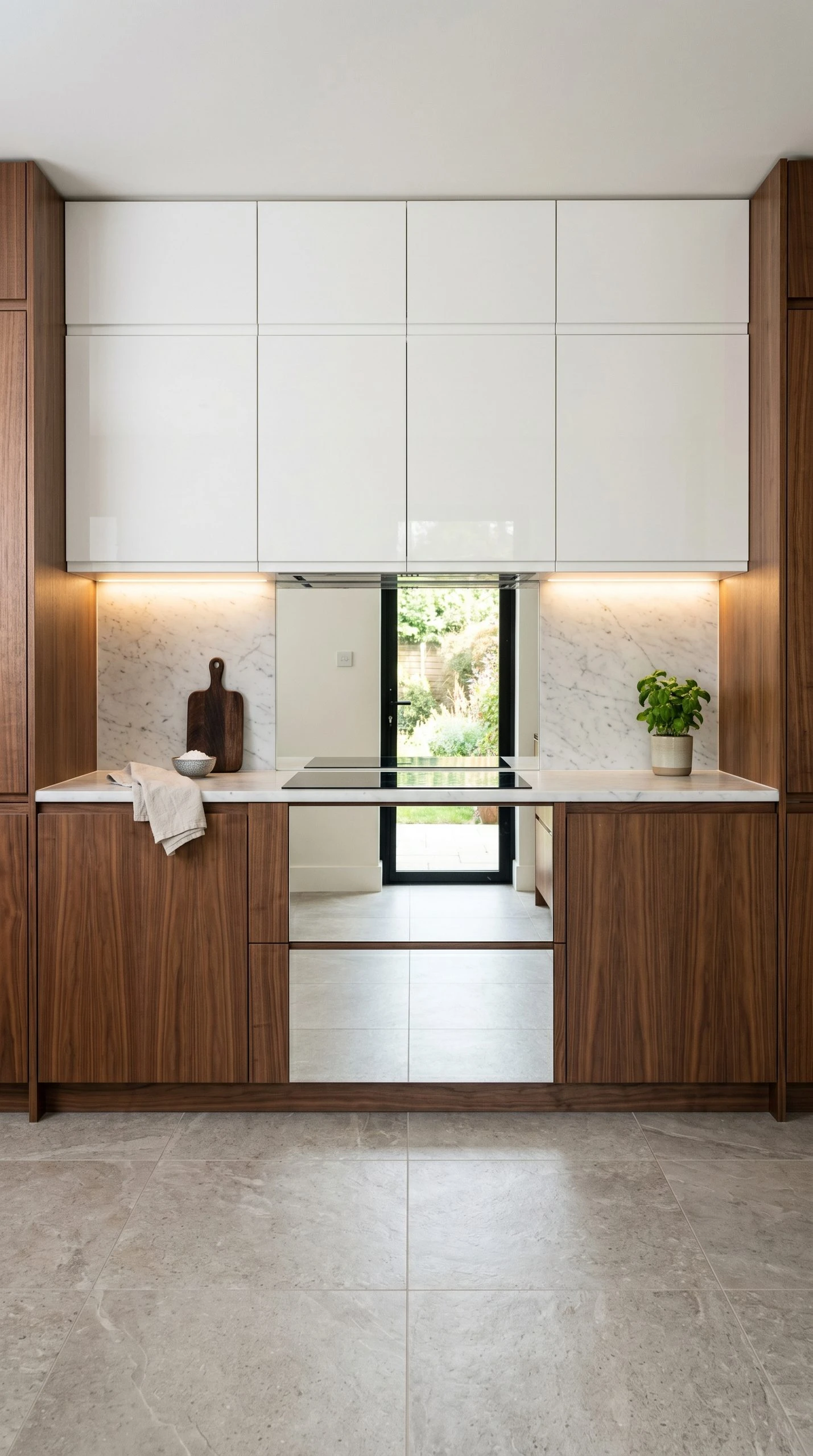
10. White and Walnut Minimalist Kitchen with Integrated Appliances
A colleague once described her dream kitchen as one where everything looks intentional and nothing looks like it was on sale. That is a great description of what a well-executed minimalist white and walnut kitchen delivers. It is not about having less, it is about choosing more carefully. Every element earns its place and the result is a kitchen that feels expensive and calm in equal measure.
The cabinetry in this concept uses a combination of handle-free white lacquer for the majority of the storage and walnut veneer for select panels, often a run of lower cabinets, the island end panels, or a single wall of tall storage cabinetry. The walnut introduces warmth and material texture in a way that feels graphic and purposeful. Integrated appliances behind matching cabinet panels keep the surfaces uninterrupted and the lines clean.
Countertops should be a very pale stone, either white Carrara marble or a clean white quartz with barely visible veining. The contrast between the pale stone and the warm walnut is one of the most visually satisfying material pairings in contemporary kitchen design. Under-cabinet lighting in a warm white tone illuminates the countertop without adding hardware to the surface. Flooring can be large-format porcelain tile in a natural stone look, keeping the floor from competing with the cabinet materials above it.
Designer Advice: Walnut looks best in a matte or satin finish in a kitchen environment. A high-gloss walnut reads as artificial and loses the natural warmth that makes the material so appealing in the first place.
11. White Shaker Cabinets with Brown Terracotta Tile Flooring
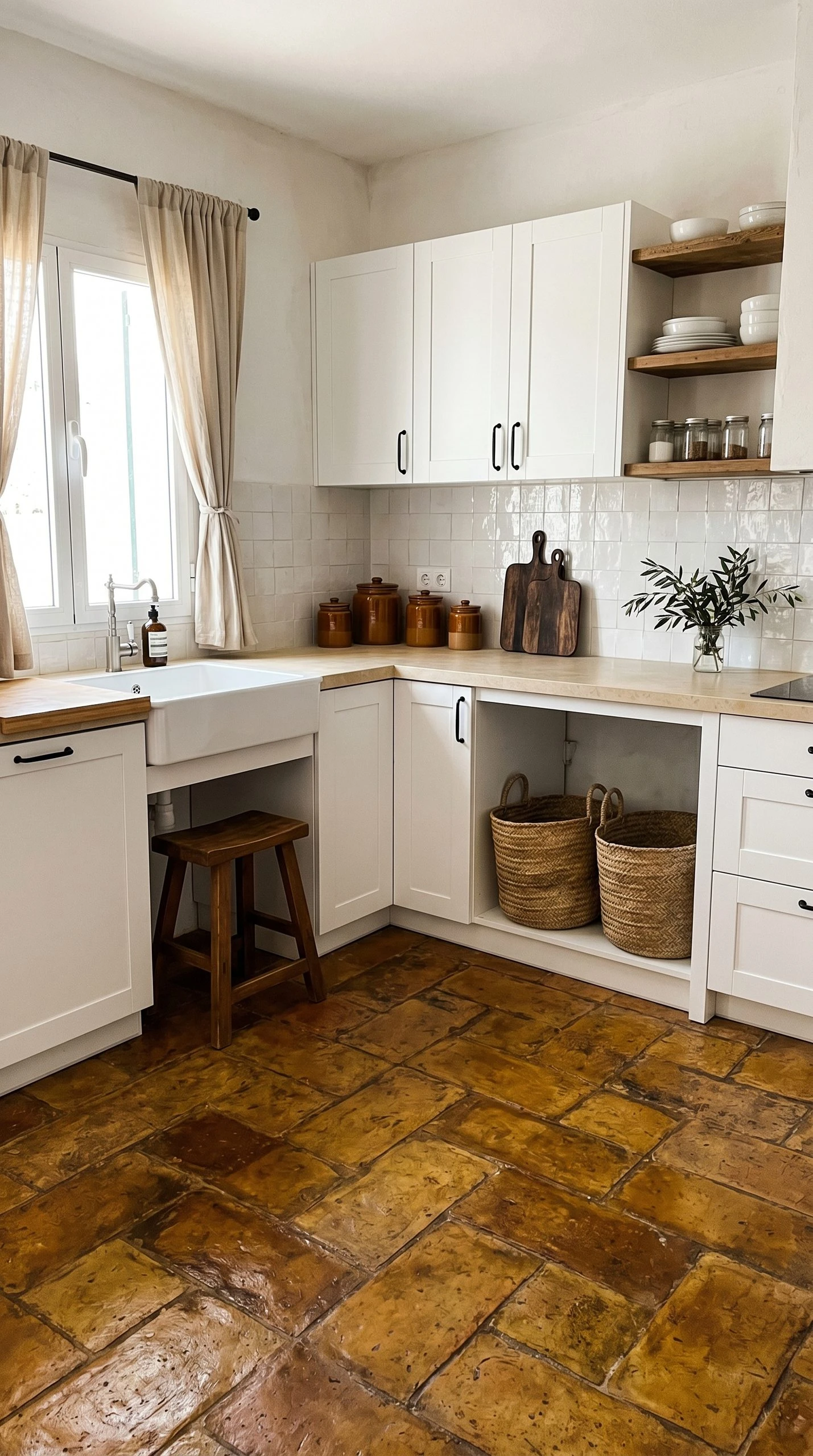
There is a kitchen in a small Spanish village that probably inspired a thousand mood boards without anyone knowing where it came from. It has white walls, simple white cabinetry, and terracotta floor tiles that have been worn to a beautiful amber brown by years of foot traffic and sunlight. This look translates remarkably well into contemporary homes when you know how to approach it.
White shaker cabinets are the ideal companion for terracotta flooring because they do not compete with the tiles for visual attention. The shaker profile adds just enough detail to keep the cabinets interesting, but the overall effect is clean and simple. Choose a countertop in a warm cream or pale limestone-look quartz rather than a stark white, as the warm undertones will pick up the amber notes in the terracotta more naturally.
The backsplash is a great opportunity to echo the warmth of the floor without repeating the same tile. White zellige tiles with their slightly irregular, glossy surface reflect light beautifully and add a Moroccan-Mediterranean quality that complements terracotta naturally. Bring in brown through woven baskets used as pantry storage, a simple wooden stool tucked into a corner, or ceramic canisters in a warm tobacco glaze. Keep the window treatments light, something in a natural linen or unbleached cotton.
Designer Advice: Terracotta tile should be sealed before grouting and periodically resealed afterward to prevent staining in a kitchen environment. It is more porous than porcelain and needs this maintenance to stay looking its best.
12. White Kitchen with Brown Floating Shelves and Displayed Wooden Accessories
Open shelving in a kitchen is a commitment. Some people pull it off brilliantly and others find it becomes a dust collector and a daily source of anxiety. The secret is treating the shelves like a curated display rather than an overflow storage solution. When you do it right, brown wooden floating shelves in a white kitchen create one of the most naturally beautiful and personal moments in the whole room.
Install walnut, oak, or cherry floating shelves in a natural or lightly oiled finish. The thickness matters, a shelf that is at least two inches thick reads as substantial and intentional, while a thin shelf can look flimsy against a white wall. Group items in odd numbers, three pieces together tend to feel more balanced than two or four. Keep everyday items you actually reach for here, small plants, a stack of ceramic bowls, a favorite mug or two, a few cookbooks stood upright.
The accessories on the shelves should carry the brown palette further. Wooden cutting boards propped at an angle, a turned wooden bowl, pottery in earthy brown or cream glazes, a wooden utensil jar on the counter below. None of these items need to match exactly. The goal is a family of naturals that feel connected by material and tone rather than by being identical. This kind of styling comes across as genuinely collected rather than purchased all at once.
Designer Advice: Edit your open shelves every season. Removing items you no longer use or enjoy and replacing them with something fresh keeps the display from going stale and gives you a reason to interact with your kitchen beyond cooking.

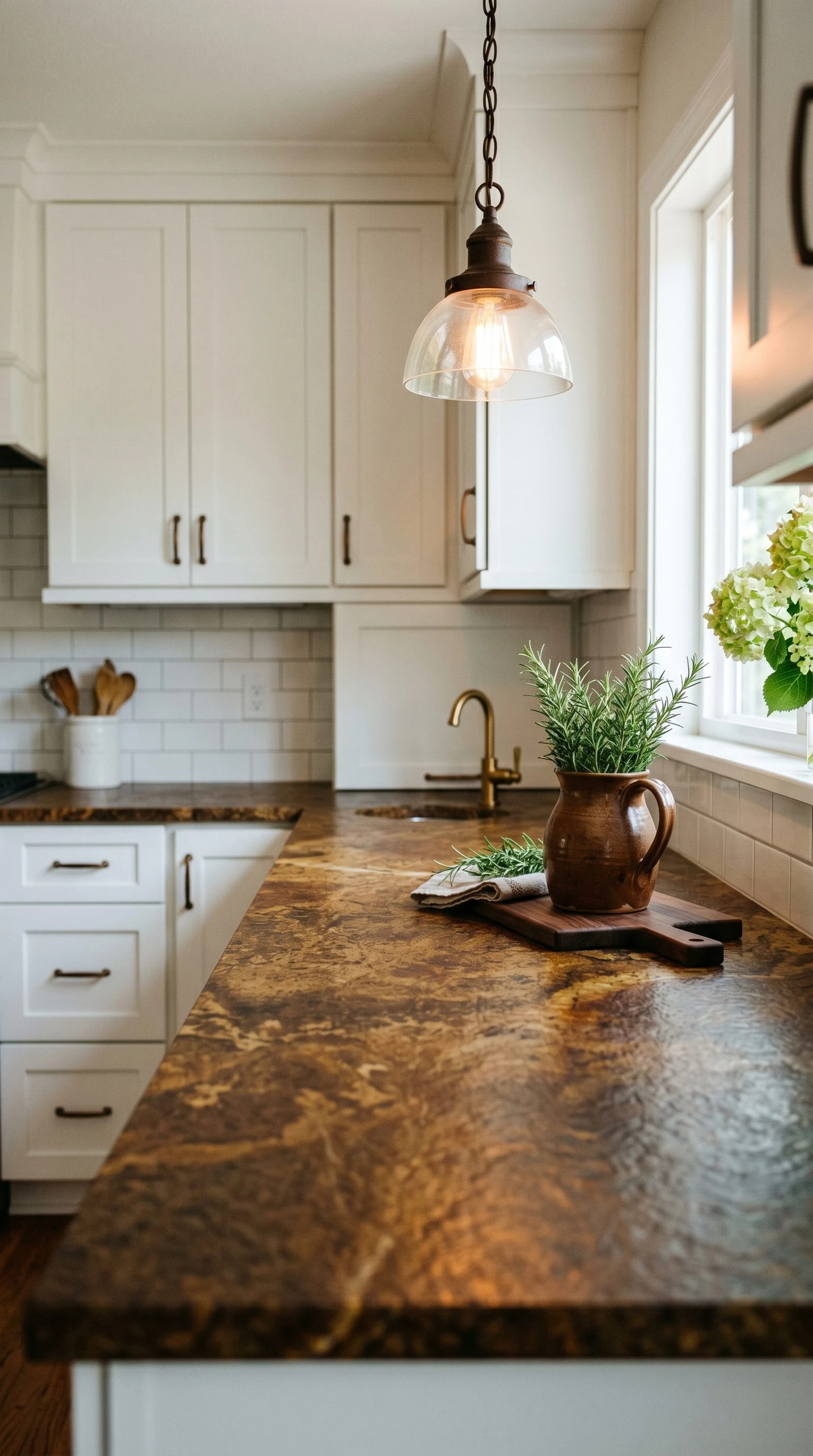
13. White Kitchen with Brown Stone Countertops and Earthy Accessories
Natural stone countertops have been used in kitchens for thousands of years, and there is a reason designers keep coming back to them regardless of what other materials arrive on the market. They are genuinely beautiful, every slab is unique, and the range of stone that falls into the brown family is extraordinary. From quartzite with warm amber veining to soapstone in a dark gray-brown to leathered granite in a rich chocolate, there is a stone for every version of the white and brown kitchen.
Pair a warm brown stone countertop with white cabinetry in either a matte or semi-gloss finish depending on the kitchen’s light levels. In a darker kitchen, semi-gloss white reflects more light and keeps the space feeling open. In a well-lit kitchen, matte white allows the stone to stand out more. The backsplash in this concept should be kept simple, white subway tiles or a plain plastered white wall, to let the countertop have the most visual presence.
Accessories in earthy tones reinforce the stone palette beautifully. A brown ceramic pitcher holding fresh herbs on the counter, a roughhewn wooden tray corralling everyday items near the stove, linen napkins folded near the sink in a warm taupe shade. These small choices collectively give the kitchen an organic, grounded quality that no single product can provide on its own. A pendant light in an aged bronze or oil-rubbed brown finish is the finishing touch that ties the warmth together.
Designer Advice: When choosing a brown stone, request a full slab sample rather than a small tile chip. Stone can look very different at full scale versus a two-inch square, and the veining pattern matters as much as the base color.
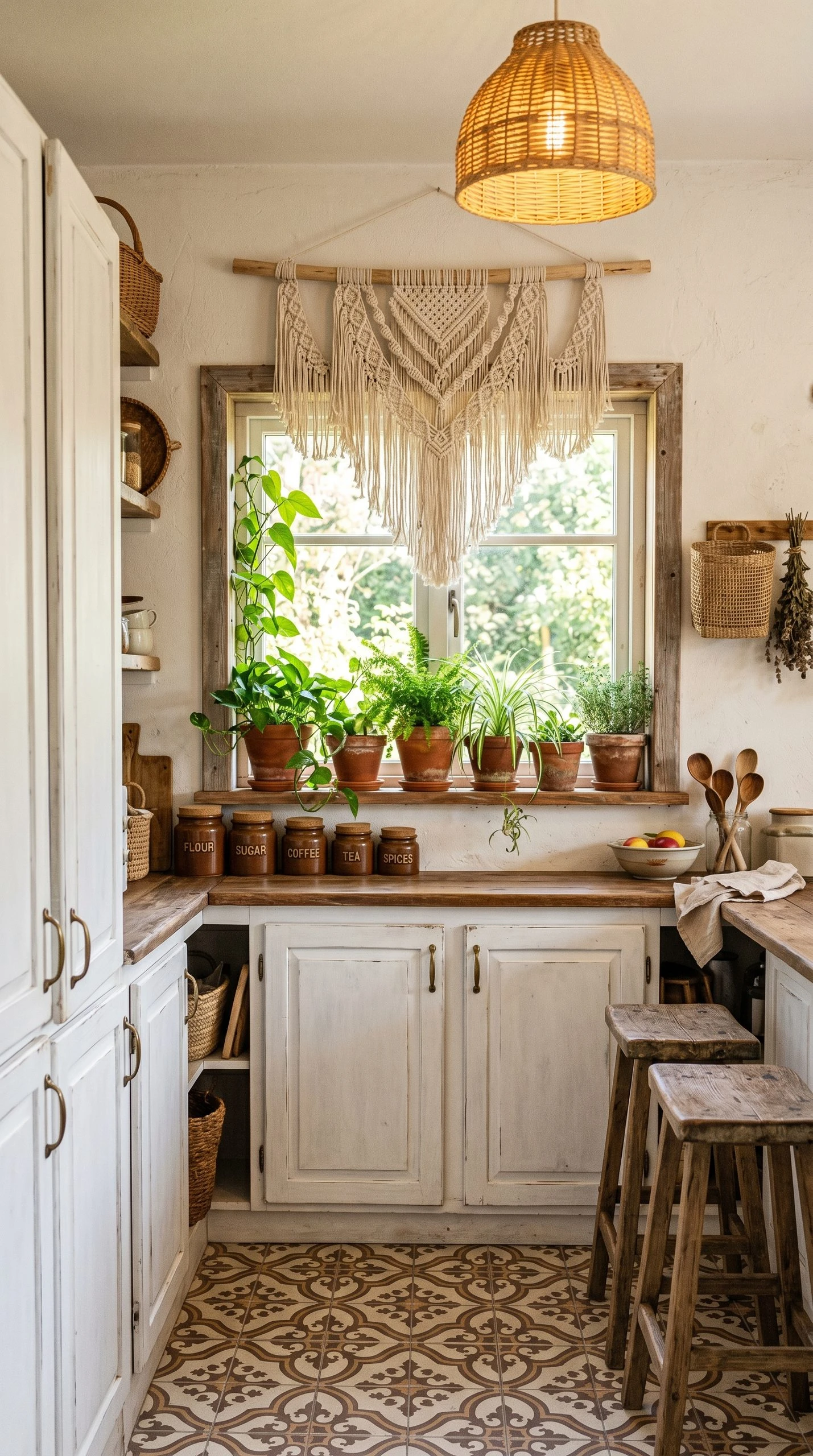
14. White and Brown Boho Kitchen with Macrame, Plants, and Woven Textures
Not every kitchen needs to be serious. Some spaces just want to be playful, personal, and full of life. The boho kitchen is one of those happy, maximally layered spaces that breaks every rule of minimalism and feels completely right for doing so. When you build it around the white and brown palette, the result is warm, textured, and full of the kind of character that takes most home magazines a full editorial shoot to capture.
White-painted cabinets form the backdrop, ideally in a slightly chalky finish that leans softer and more handmade in quality. From there, every surface becomes an opportunity for texture and warmth. A macrame wall hanging above the kitchen window, a collection of plants in terracotta pots lined up on the windowsill, hanging dried herbs or pampas grass from a ceiling hook, and woven placemats on the counter. The brown in this kitchen comes from everywhere at once and that is entirely the point.
Bar stools in a weathered wood or a brown rattan seat add to the gathered, layered quality. A patterned tile floor in cream and brown adds pattern underfoot without overwhelming the walls. Vintage ceramic canisters, a clay pot of olive branches on the table, and copper or warm brass cookware hanging on a pot rack complete the vibe. Lighting should be warm, amber, and low. Multiple sources rather than one overhead light create the ambient glow this style needs.
Designer Advice: Boho kitchens work best when the items on display are things you genuinely love and use rather than things purchased to look the part. Shop vintage markets, collect slowly, and resist buying a “boho kitchen kit” from a single retailer.
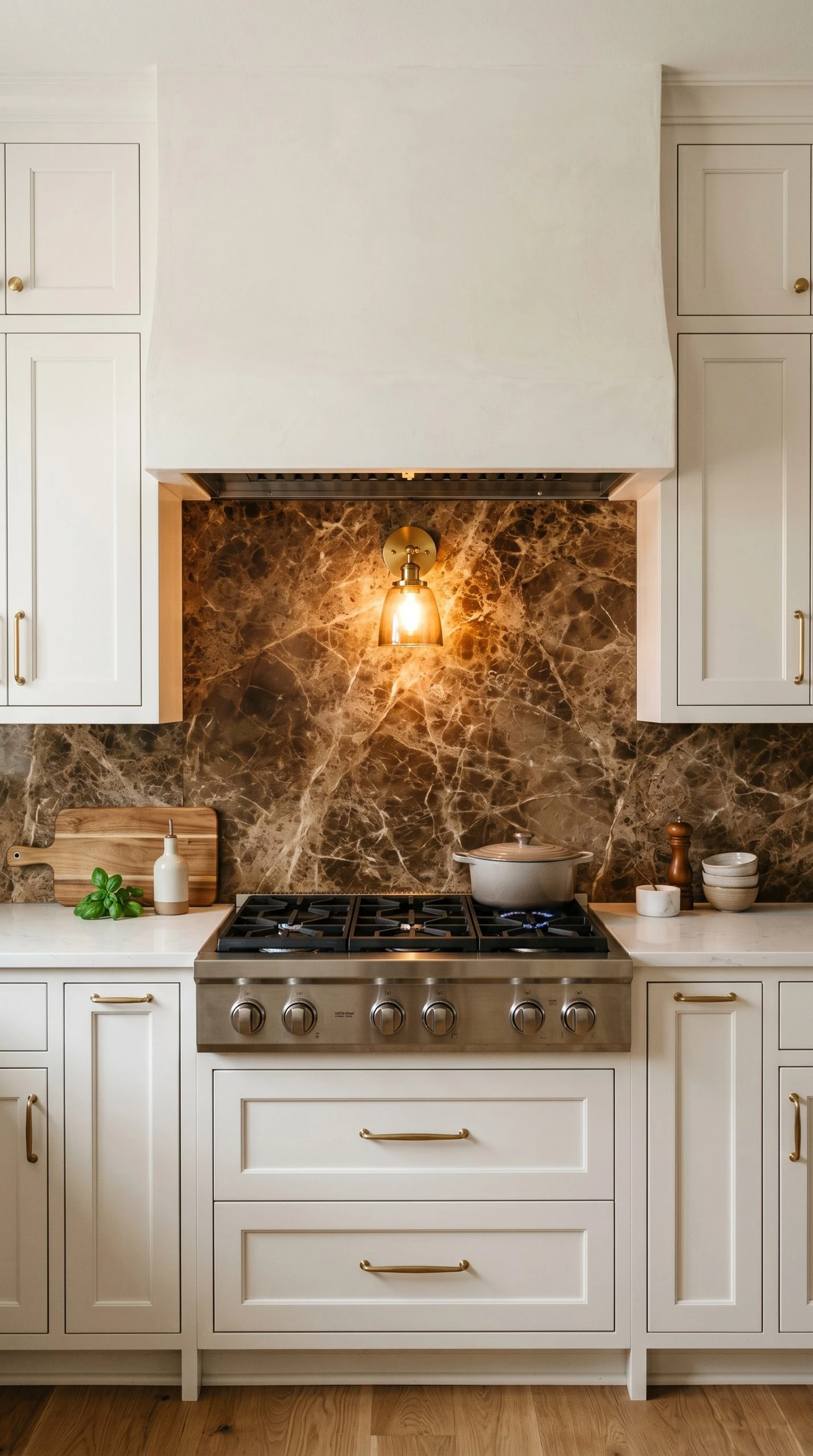
15. Classic White Cabinetry with a Brown Marble Backsplash Feature Wall
There is a particular kind of design decision that is confident enough to do one big thing and trust it completely. The marble feature wall behind the range is exactly that kind of decision. While the rest of the kitchen stays clean, white, and relatively quiet, one wall goes all in with a slab of marble in a warm brown or caramel palette that becomes the unmistakable centerpiece of the whole room.
Brown marble, emperador marble, or a quartzite in honey and tobacco tones installed as a continuous slab behind the range creates a moment of luxury and drama that no tile backsplash can replicate. The veining in natural stone catches the light differently as the day progresses and looks equally beautiful in morning sunlight and evening pendant glow. Keep the surrounding cabinetry in a classic white shaker or flat-front style to give the stone room to breathe and dominate visually.
The countertops in this setup can either match the marble slab for a material continuity effect, or go in a contrasting white quartz to keep the focus on the backsplash rather than spreading the stone too thin. Hardware in a warm metal like brushed gold or satin brass picks up the warm undertones in the marble and ties the cabinet fronts back to the stone feature. A statement range hood in the same white as the cabinets or in a warm plaster finish anchors the range wall and frames the marble beautifully.
Designer Advice: Marble near a cooking range should be sealed properly and resealed annually. It is porous and will absorb grease and steam over time if left unsealed. Consider quartzite as an alternative to marble in this position, it has similar veining but is significantly harder and less reactive to heat and acid.
Bringing It All Together
The white and brown kitchen has been around long enough that it is not going anywhere, but what makes it interesting right now is how many different interpretations exist within that single palette. You are not locked into one style, one material, or one aesthetic when you work with this color combination. You can build a kitchen that feels like it belongs in a centuries-old French farmhouse, a contemporary Tokyo apartment, or a relaxed California beach house, and all three can honestly claim white and brown as their palette.
What ties all of these ideas together is the principle of balance. White provides the light, the openness, and the neutrality that keeps a kitchen functional and visually restful. Brown provides the warmth, the organic quality, and the personality that keeps it from feeling cold or impersonal. The best versions of this kitchen give both colors room to do their job without one overpowering the other.
Whatever idea resonated most with you from this list, start there and work outward. Pick one material, one surface, or one piece of furniture as your anchor, and let everything else respond to it. That process of making considered, connected choices is what separates a kitchen that looks designed from one that just happens to have nice things in it.
Frequently Asked Questions
What shades of brown work best with white kitchen cabinets?
The most versatile brown tones for pairing with white cabinetry are warm mid-range browns like walnut, caramel, honey oak, and warm teak. Very dark browns like espresso work well in contrast-forward kitchens where you want a dramatic effect. Lighter natural tones like blonde oak or ash work better when the goal is a soft, airy, Scandinavian-leaning look. The key is to make sure the brown you choose has warm undertones rather than cool or gray-adjacent ones, as cooler browns can clash with the warmth of the white.
How do I keep a white kitchen from looking too cold or clinical?
The fastest way to warm up a white kitchen is through materials rather than color. Introduce wood in the form of open shelving, bar stools, a cutting board, or a small wooden tray. Add a woven textile at the counter or on a stool seat. Choose warm-toned metals like brass or bronze for your fixtures. Use warm white bulb temperatures in your lighting rather than cool daylight bulbs. These material and lighting choices shift the feeling of a white kitchen dramatically without changing any of the major surfaces.
Is a white and brown kitchen hard to keep clean?
White surfaces show marks and fingerprints more readily than darker finishes, but they are also easier to clean because you can see exactly what needs attention. In practical terms, white cabinet fronts wipe down easily with a damp cloth, white quartz countertops are highly stain-resistant, and white tile backsplashes clean up quickly. The brown elements, particularly natural wood countertops or open wood shelving, need a little more care in terms of oiling and sealing, but the day-to-day maintenance is not significantly harder than any other kitchen palette.
Can I mix different shades and tones of brown in the same kitchen?
Yes, and in fact mixing brown tones often produces a more interesting and natural-looking result than matching them exactly. The goal is to keep the undertones consistent. If your flooring has warm amber undertones, choose shelving and stool frames in a wood with similar warm tones rather than a cool ash or a gray-leaning brown. When the undertones agree, different shades and even different finishes of brown can coexist comfortably in the same kitchen and give it a layered, collected quality.
What countertop material is best for a white and brown kitchen?
White quartz is the most practical choice for its durability and stain resistance. Marble and quartzite are beautiful but require sealing and more maintenance. Butcher block adds warmth and natural texture but needs regular oiling and is not ideal in a wet zone near the sink. Soapstone offers a distinctive dark brown-gray surface that is heat-resistant and develops a gorgeous patina. The right choice depends on how you cook and how much daily maintenance you want to take on, with quartz typically being the lowest-maintenance option that still looks beautiful.
What lighting works best in a white and brown kitchen?
Warm white light, in the range of 2700K to 3000K color temperature, is the best match for a white and brown kitchen because it reinforces the warmth of the brown elements without making the white look yellow. Layer your lighting between task lighting under cabinets, ambient lighting overhead, and accent lighting to highlight specific features like open shelving or a range hood. Pendant lights above an island or peninsula are an opportunity to introduce a material that ties into your brown palette, whether that is a rattan shade, a smoked glass, or a warm metal fixture.